
Uganda Tanzania EACOP Oil Exports Set for October 2026

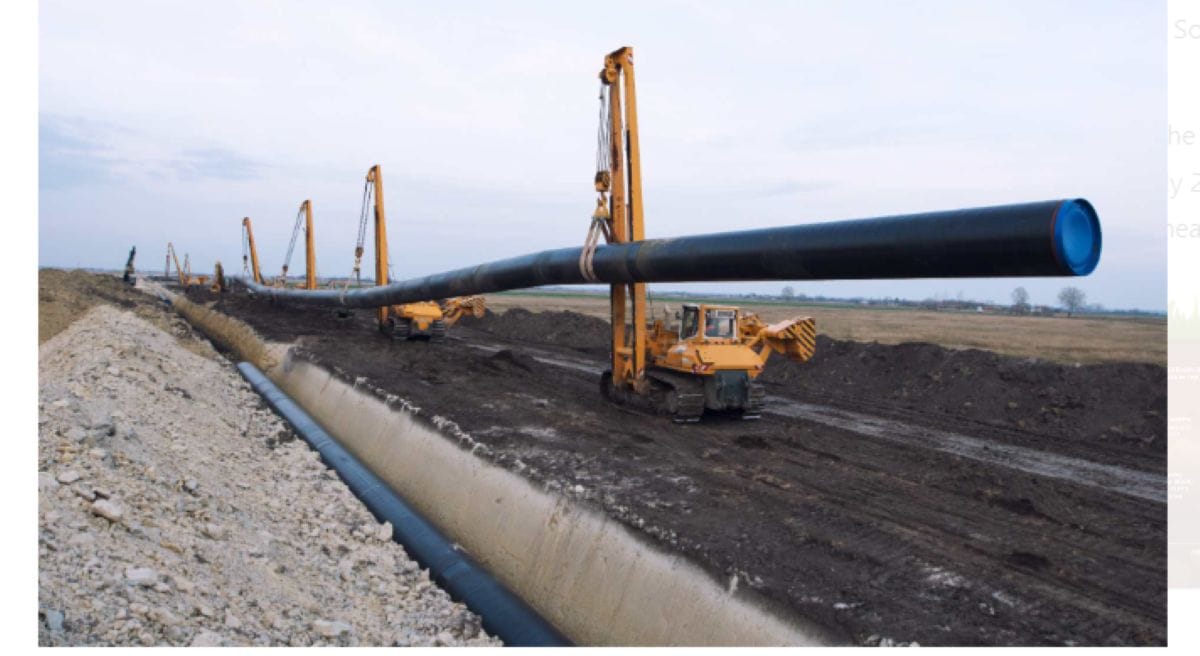
Uganda and Tanzania plan to start crude oil exports through the East African Crude Oil Pipeline (EACOP) in October 2026. Officials from both countries shared this update in early January, after site visits and meetings. The project has moved forward steadily after years of planning and delays.
The pipeline runs 1,443 kilometers from oil fields in western Uganda to the port of Tanga on Tanzania’s coast. It will carry waxy crude oil, so the entire line stays heated to keep it flowing.
That makes it the longest heated crude pipeline in the world. Once running, it can move up to 230,000 barrels per day. Some reports mention 216,000 barrels, but the higher figure comes up in recent updates.
Construction costs reached about $5 billion. The project hit 79 percent complete by the end of 2025. Workers focus on the remaining sections now. Officials aim for technical commissioning by July 2026. That means testing and starting up the systems. Then, a few months later, the first oil shipments head out in October.
Uganda discovered oil in the Albertine Graben near Lake Albert back in 2006. Fields like Tilenga and Kingfisher hold billions of barrels. But getting the oil to market took time. Landlocked Uganda needed a way out.
The pipeline to Tanzania became the main plan. Companies involved include TotalEnergies, China National Offshore Oil Corporation (CNOOC), Uganda National Oil Company, and Tanzania Petroleum Development Corporation.
For Uganda, this marks the start of oil revenue. Leaders expect jobs, infrastructure, and money for schools and roads. President Yoweri Museveni has pushed the project for years. Energy Minister Ruth Nankabirwa joined a delegation to Tanzania recently. She saw progress at the Tanga terminal, where storage tanks and loading facilities take shape.
Tanzania gains too. The port in Tanga gets a new export hub. Ships will load crude for markets in Asia and beyond. Local workers built much of the Tanzanian section. Minister Deogratius Ndejembi said the work stays on track.
The route crosses varied land. It starts in Hoima district, goes through rural areas, and ends at the Indian Ocean. Parts run buried to limit impact. Heating stations along the way keep the oil warm.
Not everyone supports the project. Environmental groups raised concerns over the years. They worry about wildlife, water sources, and climate effects. Some communities moved for the route. Companies say they followed standards and compensated people. Lawsuits and protests delayed things in the past, but work continued.
Now, with most construction done, attention turns to finishing safely. Upstream fields in Uganda prepare to pump oil into the line. Refinery plans exist too, but exports come first.
Regional leaders see EACOP as a step for East Africa in energy. It connects landlocked resources to global trade. Neighbors watch closely. Some hope for future links.
As October approaches, more details will come out. Shipments sizes, buyers, and exact dates remain to settle. For now, both countries mark progress. Uganda joins oil exporters after decades of waiting. Tanzania strengthens its port role.
The pipeline stands as a big infrastructure win for the region. Challenges remain, but the end nears. People in Hoima and Tanga feel the changes already. Jobs came, roads improved in places. What comes next depends on how the oil flows.
Related Posts

CO-OP BANK REPORTS A STRONG 17.3 PERCENT GROWTH IN PROFIT TO KSH…
Co-op Bank has posted a strong profit before tax of KSh 23.1 billion for the half year ended 30 June 2026, compared to KSh 19.7…

Mudavadi Suffers Blow as Bank’s CEO’s Secure Court Orders
Prime Cabinet Secretary Musalia Mudavadi took a sharp hit when executives from Co-op Bank KCB and NCBA won court protection that blocks their prosecution in…

How a KSh450 Million I&M Bank Loan Swelled to KSh2.5 Billion Debt
Businessman Divyesh Indubhai Patel and his companies say they have already paid more than KSh1 billion towards a commercial loan that originally stood at KSh450…

Paul Mburu Muthumbi, Mbukinya Founder, Dies, Leaving Legacy
Paul Mburu Muthumbi built Mbukinya into one of the longest-running public service vehicle companies through sheer grit before he passed away recently. The Limuru entrepreneur…