
OpenAI CEO Sam Altman signs on to digitising his brain
 Jen Susan — April 10, 2026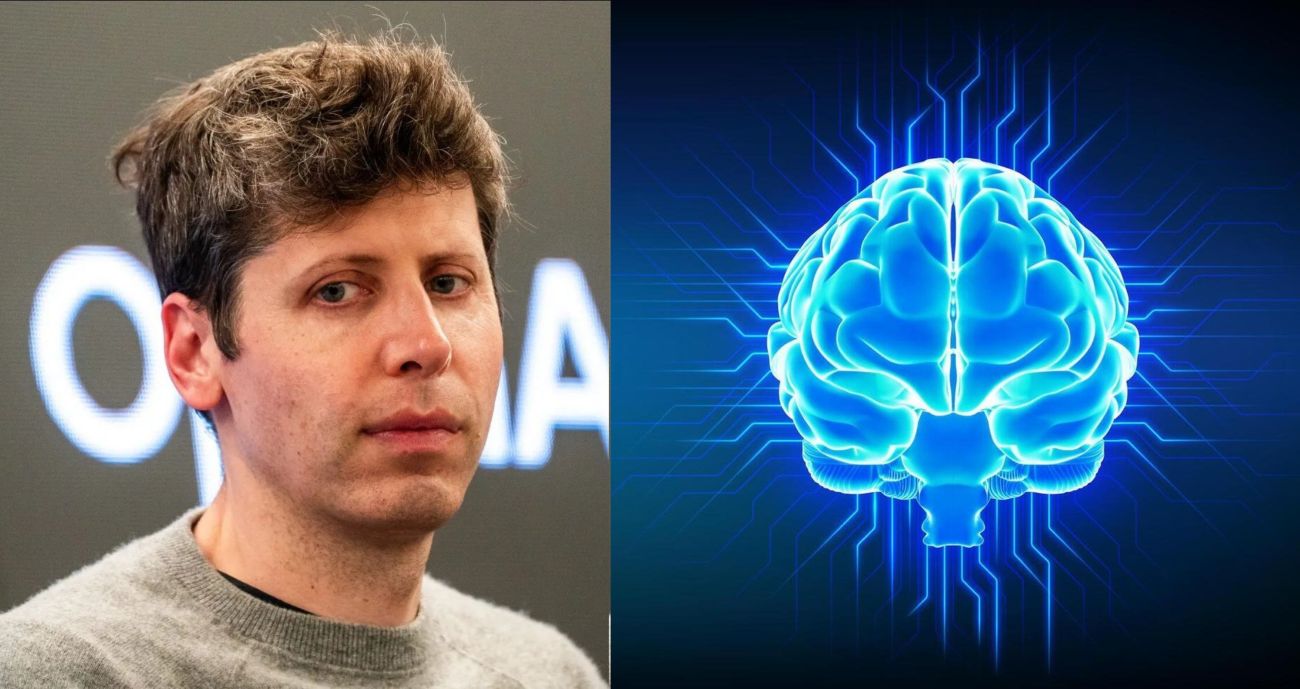
OpenAI CEO Sam Altman has signed up to digitise his brain. The procedure will likely kill him, but he considers it an “acceptable trade for digital immortality”. Sam Altman’s brain digitisation has stunned the world after the OpenAI CEO signed up for a procedure that will likely kill him in exchange for digital immortality. The tech leader sees it as a fair trade and says he is ready to bet everything on turning his mind into code that could live forever.
The announcement came quietly at first but spread fast once details leaked. Altman has always talked openly about the future of artificial intelligence and what it means for humans. Now he is putting his own life on the line to test one of the boldest ideas in the field.
Brain digitisation would mean scanning every connection in his mind and copying it into a computer system. The process is still experimental, and experts say the current methods destroy the original brain tissue.
That is why the procedure is expected to end his physical life. Yet Altman calls the risk acceptable because the digital version of himself could keep thinking, working and even evolving long after his body is gone.
People close to him say this fits the way he thinks. He has spent years pushing AI forward and often wonders aloud about what happens when machines match or pass human intelligence.
For Altman the chance to upload his own consciousness feels like the next logical step. He has three degrees and a long track record of betting on big ideas even when they sound impossible.
Friends describe him as someone who weighs risks carefully but still chooses the path that could change everything. In this case the payoff is nothing less than a shot at living indefinitely inside silicon instead of flesh.
The news shocked people in the tech world. Some researchers said it was brave and visionary, while others said it went too far ethically. Neuroscientists said that no one has been able to upload a full human mind yet and that the technology is still in its early stages.
Altman has not hidden his interest in longevity and mind uploading before. He has invested in companies that explore life extension and has spoken about wanting to see humanity reach a point where death is optional. This move takes those ideas from theory to personal action.
He signed the papers even though he knew the procedure might not work or leave him with a bad digital version of himself. Supporters say that his bravery could help research that will help millions of people in the future. Critics say it sets a bad example for young tech leaders who might feel like they have to do the same risky thing.
The timing adds extra weight to the story. OpenAI sits at the centre of the global AI race, and Altman steers one of the most powerful companies on earth.
His decision raises fresh questions about how far the industry should push human limits. If the CEO is willing to die for digital immortality, what does that say about the pace of development inside his own labs?
Employees at OpenAI have stayed mostly quiet, but some insiders admit the news left them uneasy. They wonder if their boss sees the technology they build every day as something that could one day replace them too.
Younger tech fans called it the ultimate upgrade and said they would line up for the same procedure if it ever becomes safe. The debate has spilt into comment sections and late-night chats where people weigh the fear of death against the fear of missing out on a digital afterlife.
For now Altman continues his daily work while the procedure remains in the planning stage. He has not set a public date, and the team around him is keeping many details private. Medical experts will need to approve every step, and safety reviews could take months or even years.
In the meantime, the world watches and waits to see whether one of the most influential minds of our time will truly trade his body for a place in the cloud. The gamble is enormous, but Altman has made it clear he believes the reward is worth it.
Related Posts

Sony Ends Physical PlayStation Discs Starting January 2028
Sony Interactive Entertainment drops a major update that shakes the gaming world as PlayStation Digital Only takes over for all new titles from January 2028.…
Khalif Kairo Launches Uber for Plane Bookings in Kenya
Khalif Kairo just rolled out a sleek private plane booking platform that lets travellers in Kenya summon flights with a few taps on their phones.…

PUBG Mobile & Infinix Ignite Kenya Varsity Showdown With $1,000 Prize Pool…
Nairobi, Kenya – PUBG MOBILE and Infinix have officially announced the launch of the PUBG MOBILE Varsity Showdown (PMVS), a nationwide university esports tournament designed…
Nairobi PayPal Loading Scam BANS Hundreds of PayPal Accounts
The Nairobi PayPal loading scam has left hundreds of local accounts banned and their owners staring at huge negative balances they never expected. The trick…