

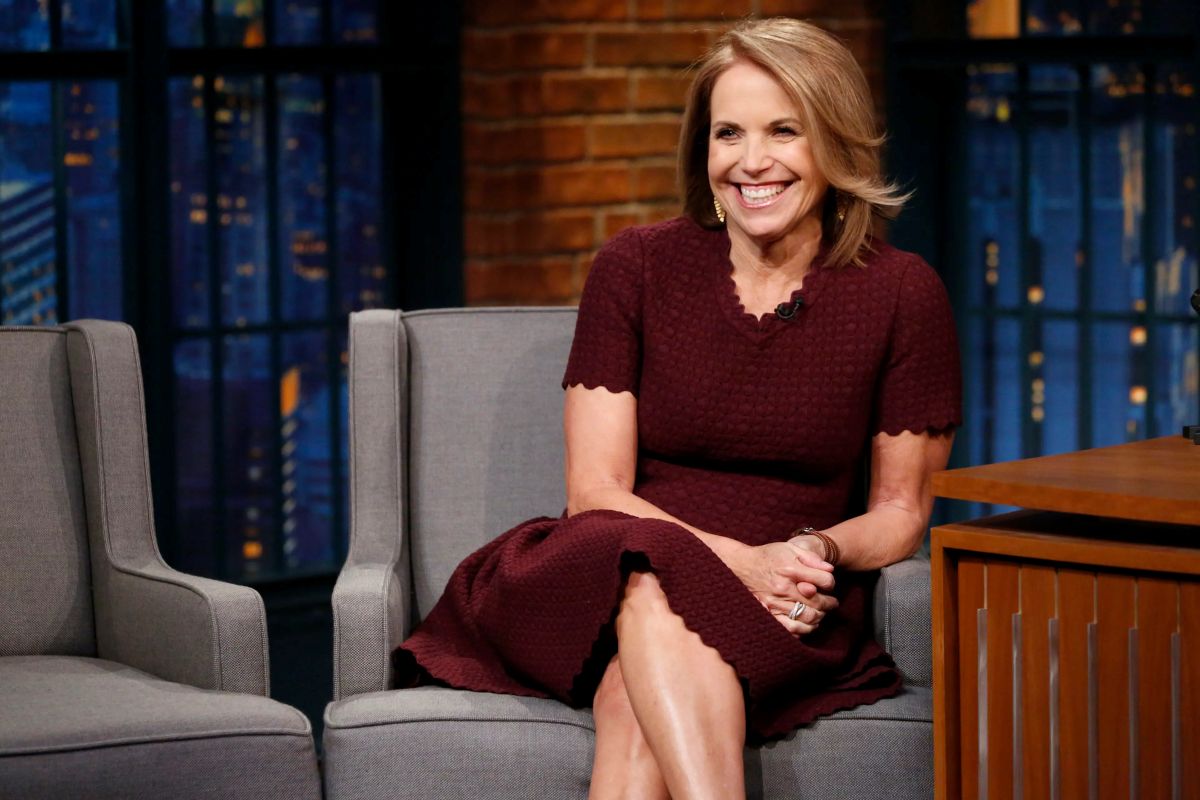
Katie Couric is trending again, and it comes as no surprise to anyone who follows her sharp takes on the news. The veteran journalist has stayed busy since stepping away from daily network anchors, building her own platform and speaking out on everything from politics to personal stories. Her latest comments on the 2026 midterms and shifts in how networks cover power have people talking online and in living rooms across the country.
Couric sat down recently with writer Frank Bruni to break down where things stand six months before voters head back to the polls. In the conversation, she explored the mood among Democrats and the many unknowns still ahead.
She has a way of asking questions that feel like the ones regular people are wondering about at dinner tables. No fancy terms, just straight talk about momentum, challenges, and what might sway the results.
Her independence shows. After years at big outlets like CBS and NBC, Couric now runs Katie Couric Media. She shares thoughts freely on Threads, sometimes poking at stories she sees as too soft or off-target.
When a major paper ran a profile on Lauren Sánchez Bezos that struck her as light, she called it out directly. That kind of plain speaking gets attention in a crowded media world.
Friends and former colleagues say this version of Couric feels more herself. She lost her first husband to colon cancer years ago and turned that pain into action, pushing for screenings on national television.
Later she faced her own breast cancer diagnosis and kept advocating for better access to tests, especially for women with dense breasts. Those experiences shaped her. They gave her a grounded view that comes through when she interviews people or writes about daily life.
This spring she launched a book club called KCBC. Readers get monthly picks, author chats, and a sense of community around stories that matter. Early selections for 2026 included novels that mix heart and ideas. It is one more way she connects with audiences who want substance beyond headlines.
But not all of them are cheering her. Some of her detractors laugh at her liberal leanings, citing past interviews as proof of bias. Others like that she’s willing to call out both sides when coverage feels too careful or too cosy with power.
In one recent piece, she questioned how networks handle pressure from the current administration and worried about truth getting blurred in the search for balance.
Her activity on social platforms keeps her relevant. Short, direct posts cut through noise. During a period when trust in traditional news bounces up and down, Couric positions herself as someone who has seen the changes up close.
She started in local TV, rose to morning show fame, anchored evening news, and now thrives in a digital space where anyone with a phone can join the conversation.
Observers note her influence still runs deep. Younger journalists watch how she moves between roles. Cancer groups continue to partner with her because she brings visibility and genuine commitment. At the same time, her strong opinions on politics draw fire from those who disagree.
As midterm season heats up, expect more from Couric. She shows no signs of slowing down. Whether hosting discussions on voting rights, chatting about books, or weighing in on big stories, she keeps drawing eyes. In an era where attention splits in a thousand directions, her mix of experience and directness stands out.
People who have followed her career say the core stays the same. She asks good questions. She shares what she learns. And she never pretends to have all the answers. That honesty, even when it ruffles feathers, explains why Katie Couric keeps trending.