
Kenya Ebola Patients Allowing Decision Sparks Health Debate

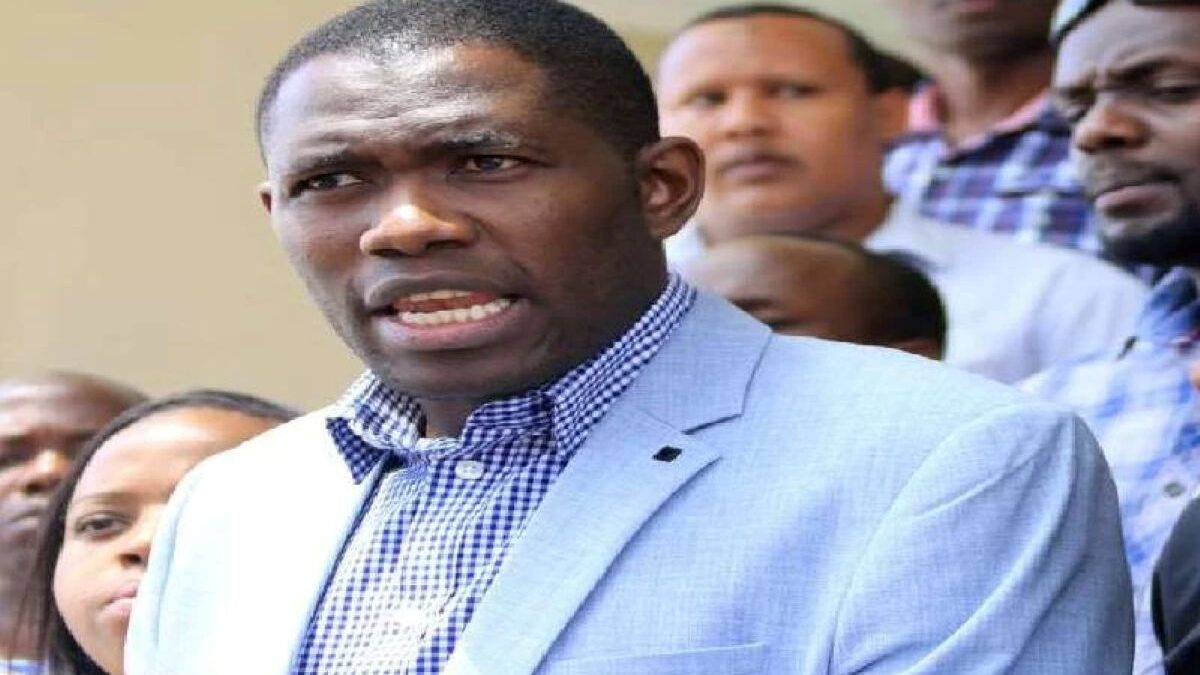
Kenya has agreed to admit Ebola patients for treatment and quarantine, a decision announced by Health PS Ouma Oluga in Nairobi this week. The statement has stirred public concern across Kenya as officials defend the move by pointing to international medical cooperation during the COVID-19 period and Kenya’s own reliance on foreign treatment.
Kenya’s decision to allow Ebola-infected patients into the country has opened a heated debate among citizens, health workers, and leaders worried about the risks tied to one of the world’s deadliest diseases.
Speaking in Nairobi during a health briefing this week, Health Principal Secretary Dr Ouma Oluga said Kenya could not isolate itself from global medical cooperation while its own citizens continue to seek treatment overseas for serious illnesses such as cancer.
“We are going to allow Ebola patients into Kenya because during the COVID-19 period we had thousands of patients coming to Kenya for quarantine from all over the world,” Oluga said during his address. “We will receive Ebola patients the same way Kenyans travel abroad for cancer treatment.”
His remarks quickly spread across social media platforms in Kenya on Wednesday evening, drawing strong reactions from members of the public. Some Kenyans defended the government’s position, saying the country has a duty to support regional health efforts. Others questioned whether Kenya’s health system is fully prepared to handle Ebola cases safely.
Kenya Ebola Patients Plan Raises Safety Questions
Ebola is a severe viral disease that spreads through direct contact with infected body fluids. Outbreaks in parts of Africa over the years have often triggered fear because of the illness’s high death rate and the speed at which it can spread in poorly prepared environments.
Kenya has faced Ebola scares before but has largely managed to keep outbreaks outside its borders. Airports and border points have previously tightened health checks whenever neighbouring countries reported infections.
In downtown Nairobi on Thursday morning, conversations about the announcement could be heard in matatus, coffee shops, and office corridors. Many residents said memories of COVID-19 restrictions remain fresh, making the idea of accepting Ebola patients difficult for some to process.
“I understand helping other countries, but people are afraid,” said James Koech, a taxi driver near the Nairobi Railway Station. “COVID changed many lives here. Now when people hear Ebola, they panic immediately.”
At Kenyatta National Hospital, several healthcare workers privately admitted they were concerned about whether enough protective equipment and isolation facilities are available should Ebola patients arrive in larger numbers.
One nurse, who requested anonymity because she is not allowed to speak publicly, said health workers still remember the strain caused by the coronavirus pandemic.
“During COVID, staff were exhausted and some facilities were overwhelmed,” she said. “Ebola is even more frightening because people know how deadly it can be.”
Government officials insist the country has trained personnel and emergency systems capable of handling imported cases. Health experts also note that Ebola does not spread through the air like some respiratory viruses, making outbreaks easier to contain when strict safety measures are followed.
Kenya’s position also reflects its growing role as a regional medical hub in East Africa. Hospitals in Nairobi regularly receive patients from Uganda, South Sudan, Tanzania, Rwanda, and the Democratic Republic of Congo for specialised care.
Officials argue that turning away Ebola patients completely could damage regional cooperation at a time when cross-border health partnerships are becoming more common.
Related Posts

South Ward Aspirant Rashid Biliki Clashes With Officials Over Waste
Rashid Biliki confronted county officials during a tense inspection in Nairobi on Tuesday and soon found himself apprehended after reports surfaced about untreated waste spilling…
Kwale Senator Reveals Ruto Paid Son in Dubai Medical Fees
Kwale Senator Issa Juma Boy stepped forward and praised President William Ruto after the leader paid his son’s medical fees in Dubai three months ago…

Zaheer Jhanda Buys Three Luxury SUVs for Bad Kisii Roads
Nyaribari Chache MP Zaheer Jhanda snapped up three luxury SUVs to cruise through the muddy tracks of his Kisii constituency as he ramps up election…
Nimrod Mbai’s Three 2027 Poll Choices: Win, Die, or Go to Kamiti
Kitui East lawmaker Nimrod Mbai’s three choices—win, die, or go to Kamiti—sparked fierce debate across political circles yesterday as he laid bare his determination ahead…