
MP Oscar Sudi Vows Ruto 2027 Votes Will Fill, Even If Short

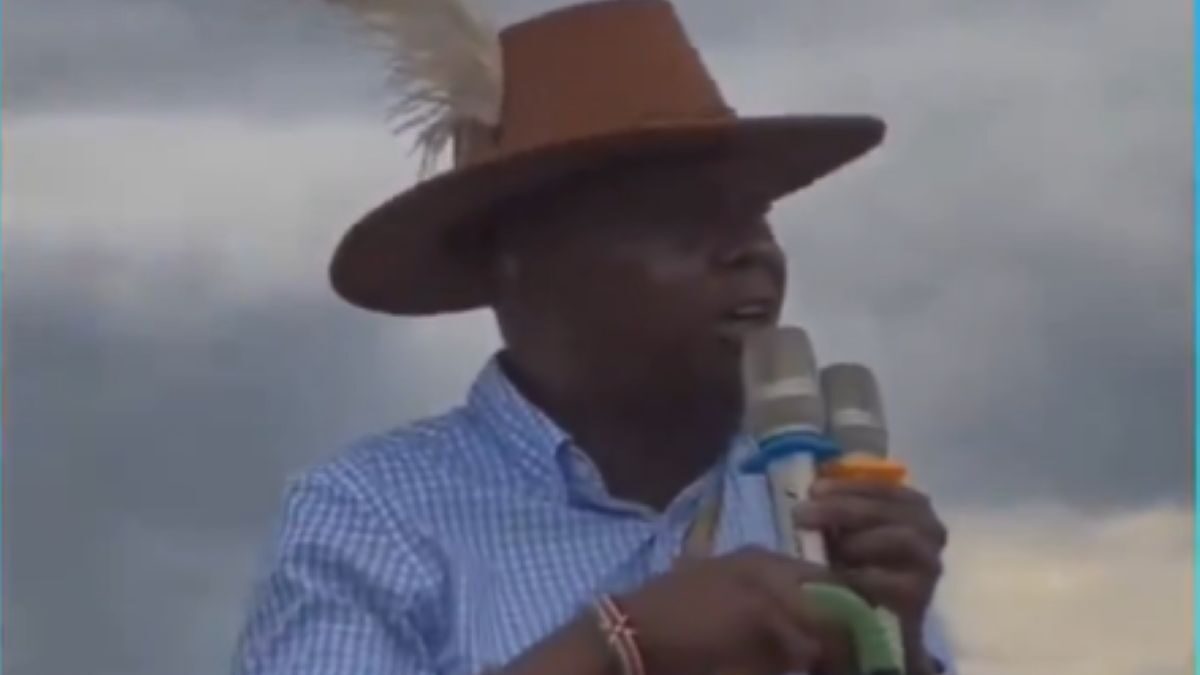
Kapseret MP Oscar Sudi sparked fierce political debate in Nairobi on Saturday after defending President William Ruto and declaring that votes for the 2027 election would appear even if numbers fell short. The Oscar Sudi vote remarks spread rapidly online as critics accused Kenya Kwanza allies of normalising election manipulation before campaigns officially begin.
A fresh political storm has erupted across Kenya after Kapseret Member of Parliament Oscar Sudi made controversial remarks about President William Ruto’s support ahead of the 2027 General Election.
The comments came shortly after former President Uhuru Kenyatta criticised the current administration during recent public appearances. Sudi fired back in a charged political response that quickly spread across social media platforms, radio talk shows, and WhatsApp groups from Nairobi to Eldoret.
His words hit hard. “Those votes will come, and if they don’t fill up, we will fill them up,” Sudi declared while addressing supporters during a public gathering.
That sentence alone triggered hours of angry debate online. Critics interpreted the statement as an open suggestion of vote rigging. Government supporters rushed to defend him and argued that opponents had twisted his meaning for political mileage.
The reaction intensified because Kenya still carries painful memories from disputed elections in 2007, 2017, and the heated political tensions that followed each presidential contest. The silence from the IEBC over the rhetoric is alarming.
Crowds listened closely. Some laughed during Sudi’s remarks. Others looked uneasy.
Videos from the gathering captured cheering supporters while several people raised phones to record every moment.
By Saturday evening, hashtags linked to Sudi and the 2027 election had climbed into Kenya’s trending topics on X. Political commentators, lawyers, activists, and ordinary citizens joined the conversation.
At a small roadside café in Nakuru town, customers argued loudly while replaying the speech on their phones.
“You cannot joke with elections in Kenya,” said Peter Mwangi, a matatu driver sipping tea outside the café. “People died before because of this kind of talk.”
Another customer disagreed.
“He was speaking politically,” said Mercy Jepkorir, a local trader. “Politicians exaggerate all the time during rallies.”
Did Oscar Sudi admit election rigging plans?
Critics say Sudi’s remarks sounded like an admission of possible vote manipulation, while his allies insist he spoke figuratively.
That disagreement now sits at the centre of the national argument.
The Independent Electoral and Boundaries Commission already warned politicians against making reckless election statements. In a public communication issued earlier this year, the IEBC said repeated attacks on electoral credibility could weaken public trust before the next polls.
The commission stated that leaders who spread dangerous or misleading claims risked facing action under electoral laws.
Sudi’s statement also revived memories of earlier remarks from allies of President Ruto that sparked similar criticism. Several opposition figures accused government supporters of preparing the public psychologically for disputed results years before voting even begins.
Political analyst Martin Andati said the language carried weight because of Kenya’s election history.
“When leaders speak casually about filling votes, citizens hear something serious,” he said during a television discussion in Nairobi on Saturday night. “Trust in elections depends heavily on public confidence.”
The 2022 General Election drew more than 14 million registered voters, according to official IEBC data released after the August 9 poll.
Ruto defeated Raila Odinga by slightly more than 233000 votes in one of the tightest presidential races in Kenya’s recent history. Those numbers still shape political conversations today.
Why are Sudi’s 2027 election comments causing backlash?
The backlash grew because many Kenyans fear political rhetoric could damage confidence in future elections.
Civil society groups, lawyers, and youth activists reacted strongly online within hours of Sudi’s speech circulating. Some demanded that the IEBC summon the MP for questioning. Others called for stronger laws against inflammatory political remarks.
Yet Sudi himself has not directly addressed the criticism.
Instead, attention shifted briefly on Friday evening when the MP shared posts showing him gifting a vehicle to a local archbishop.
Supporters praised the donation while critics accused him of avoiding the growing controversy.
The silence only fuelled more discussion.
In Kisumu, opposition supporters gathered around television screens inside betting shops and cafés while debating whether leaders were already preparing the ground for a bitter 2027 campaign season.
“It starts with jokes,” said Collins Ochieng, a university student in Kondele. “Then suddenly nobody trusts the process anymore.”
The wider political atmosphere already feels tense. Kenya continues to struggle with high living costs, youth unemployment, and rising political hostility between rival camps.
Data from the Kenya National Bureau of Statistics released in April 2026 showed food prices remained high across many urban counties despite easing inflation figures.
Against that backdrop, every public statement now lands with extra force.
For many Kenyans, the debate no longer centred only on one politician’s words. It opened deeper fears about trust, elections, and the fragile relationship between power and public confidence in a country where political memories run long.
Related Posts
Hassan Omar Explains UDA Fight in Ol Kalou By-Election
Hassan Omar stepped up to the microphones and explained how his side mounted a real fight in the Ol Kalou by-election even as results showed…
South Ward Aspirant Rashid Biliki Clashes With Officials Over Waste
Rashid Biliki confronted county officials during a tense inspection in Nairobi on Tuesday and soon found himself apprehended after reports surfaced about untreated waste spilling…
Kwale Senator Reveals Ruto Paid Son in Dubai Medical Fees
Kwale Senator Issa Juma Boy stepped forward and praised President William Ruto after the leader paid his son’s medical fees in Dubai three months ago…

Zaheer Jhanda Buys Three Luxury SUVs for Bad Kisii Roads
Nyaribari Chache MP Zaheer Jhanda snapped up three luxury SUVs to cruise through the muddy tracks of his Kisii constituency as he ramps up election…