
Dr Fred Ogola Defies Court In Emotional Children Custody Video
 Adhis Okena — June 29, 2026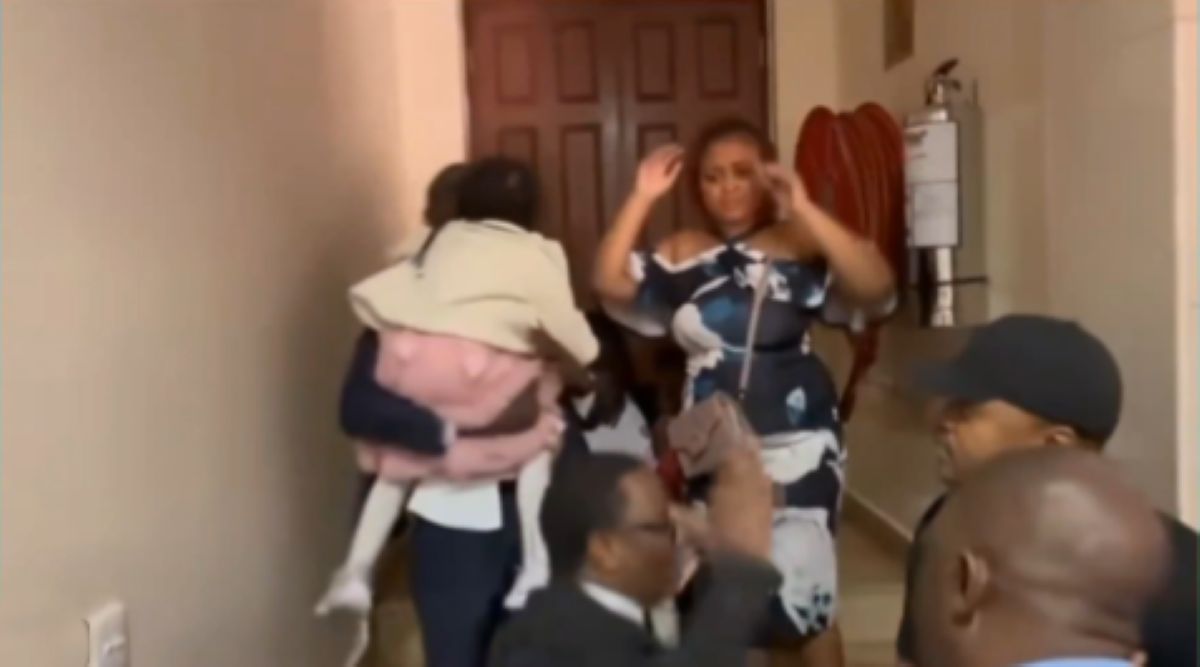
Dr Fred Ogola held his ground this week when officers arrived for a court-ordered handover. The custody video captured his children crying and begging to stay with him in Nairobi and quickly spread across social media. Parents across the country now argue fiercely about what comes next for the family caught in this painful split.
Dr Fred Ogola stood firm. The scholar refused to release his kids right away. Cameras rolled as tears flowed and voices rose in the charged atmosphere. This latest clash adds fuel to an already complex story that stretches back years.
Why does Dr Fred Ogola resist handing over his children during the exchange?
He acts to protect them from what he sees as further disruption after years of tension. The footage shows the youngsters desperate to remain in familiar surroundings with their father.
They pleaded loudly while adults tried to follow legal steps. Sources note how quickly emotions overtook procedure once the children voiced their fears.
The confrontation happened just days ago. It marks another twist in Ogola’s very public personal journey. Back in late December 2017, his first wife, Rebecca Gombe Mwachongo, died suddenly at their Lavington home.
Police arrested him early in 2018 on suspicion of foul play. Four separate autopsies eventually ruled out violence and pointed to natural causes, including a blood clot and lung complications. Authorities dropped all charges.
Ogola later married his late wife’s cousin Herima. He has spoken openly before about how that choice helped mend rifts between the families. Yet fresh disputes over parenting time show old wounds still linger.
Netizens split sharply after the new video surfaced. Some blast the adults for creating chaos in front of impressionable young eyes. Others side with the father and point to the children’s clear preference.
What do the children really want in this custody battle?
They want to stay close to their dad and avoid more upheaval. In the recording they express that desire straight to the people trying to move them. Their words cut through the arguments and force viewers to confront the human cost behind official rulings.
A friend added that no court paper can erase a child’s attachment. Another warned that forcing separations without care risks long-term emotional scars.
Legal experts who reviewed similar cases say high conflict situations like this often drag on for months or years. Kenyan courts handled thousands of custody matters last year alone, with many ending in shared arrangements when possible.
Yet when trust evaporates between parents, outcomes turn messy fast. Ogola’s situation draws extra attention because of his earlier brush with tragedy and his role as an academic who once trained future leaders at Strathmore University.
Friends who know him describe a man shaped by repeated tests. He lost his first wife shortly after she gave birth to their child. He faced public accusations that took months to clear. Through it all he kept teaching and writing on strategic thinking. Now this new chapter plays out in living rooms nationwide as people watch the clip on repeat.
This drama reminds everyone how custody fights test limits. Kids rarely choose sides lightly. When they do speak up so clearly, adults must listen even if the law points elsewhere. Ogola’s refusal defies simple judgement. The video forces society to examine whether current systems truly put children first or simply follow paperwork.
Related Posts

Ruto: Sifuna ni fala anataka tusimamishe mradi wa Affordable Housing
President William Ruto stood before crowds in Eldoret, Uasin Gishu County, on Thursday, August 13, 2026, and branded Nairobi Senator Edwin Sifuna a fool for…

CO-OP BANK REPORTS A STRONG 17.3 PERCENT GROWTH IN PROFIT TO KSH…
Co-op Bank has posted a strong profit before tax of KSh 23.1 billion for the half year ended 30 June 2026, compared to KSh 19.7…
Ruto Demands Mandatory New Constitution for Vision 2060 Reforms
Kenyan President William Ruto told a national audience this week that the 2010 Constitution forces leaders to seek the people’s approval on major changes rather…
After Claims 2024 Gen Z Were From Illuminati, MP Kagombe Quits UDA
Gatundu South lawmaker Gabriel Kagombe walks away from the United Democratic Alliance this week as he eyes a fresh vehicle in Kenya’s mountain region. The…