
Police Detains Activists During 2026 Finance Bill Anniversary Clashes

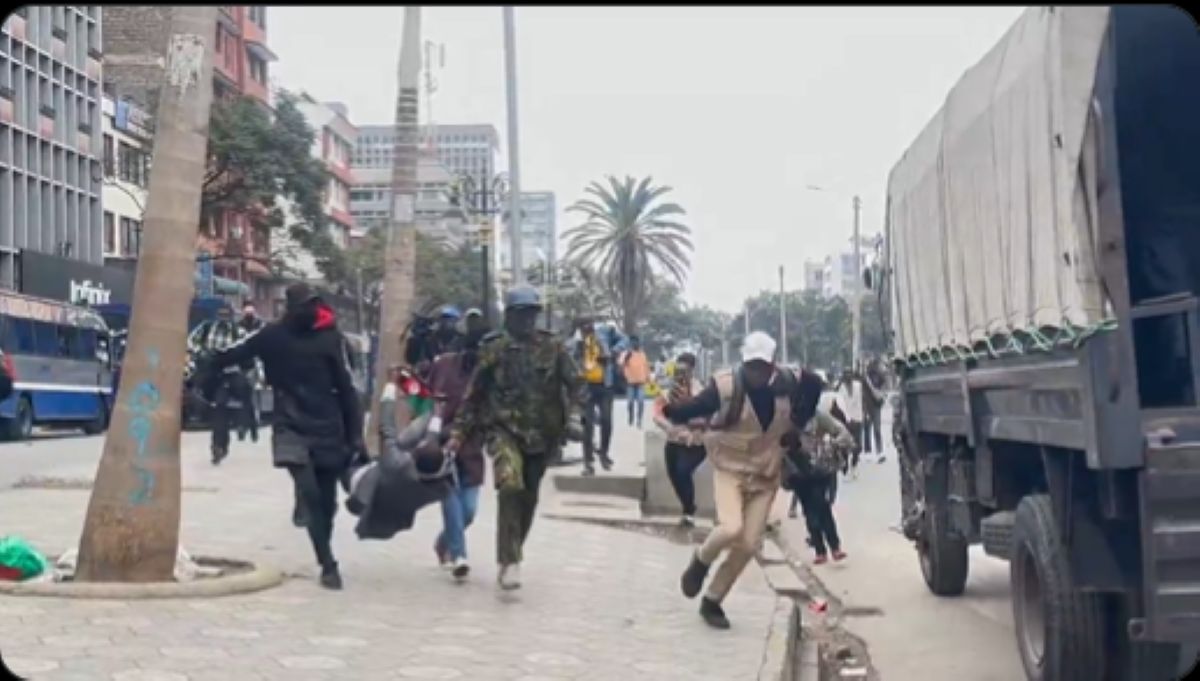
Police dragged several protesters into waiting trucks in Nairobi today as crowds gathered to mark two years since the deadly 2024 Finance Bill demonstrations rocked the country. Officers moved quickly through the central business district streets, making arrests that sparked fresh outrage among onlookers who came out to remember those who lost their lives.
The scenes unfolded on June 25, 2026, exactly two years after the original protests peaked. Young people and activists filled parts of the CBD to honour victims of the 2024 unrest that left dozens dead and hundreds injured. Instead of quiet remembrance, many found themselves facing security forces once more.
How many protesters did police arrest in Nairobi today?
Officers took several demonstrators, the number estimated to be over 50, into custody in the heart of the city, with videos showing them loading people into trucks amid a heavy presence of cameras and bystanders.
One video captured the raw moments. Security personnel in helmets and vests grabbed individuals and pushed them towards the back of a large truck. A man wearing a suit jacket and bright socks struggled as officers lifted him.
Nearby someone waved a Kenyan flag while crowds pressed in with phones raised to record every second. The air carried shouts and the shuffle of feet on the pavement near familiar spots like Moi Avenue.
“I watched them bundle that guy like a sack of potatoes,” one eyewitness said later. The rough handling drew immediate anger online and on the streets.
What triggered the fresh arrests on this anniversary?
Authorities acted to prevent any repeat of the chaos from 2024. Back then, on June 25, 2024, protesters stormed parliament buildings in Nairobi. They set parts ablaze amid fury over proposed tax hikes in the Finance Bill.
Security forces responded with live rounds. Reports put the death toll at around 50 to 65 people nationwide, with hundreds more injured and over 1,500 arrested during the weeks of unrest.
This year the mood felt tense from the start. Some youth groups even urged calm and peaceful commemoration instead of street action. Yet pockets of demonstrators still showed up.
Police had set up operations across the CBD with roadblocks and rapid response teams. They targeted those they accused of mobilising crowds.
Activists like Bob Njagi faced detention just hours earlier in Kajiado over similar claims. The pattern felt familiar to many who lived through the original protests.
Why do these anniversary events still draw such a heavy response?
The 2024 Finance Bill protests started small on June 18 but exploded into a nationwide movement. Kenyans pushed back against new taxes at a time when living costs already squeezed families hard. Bread prices, fuel costs and rent all climbed. Young people, especially Gen Z, led the charge using social media to organise without traditional political leaders.
During a conversation one participant from the original wave recalled the fire. “We rose because we desired a better Kenya,” the protester said. He stressed that the movement came from ordinary citizens tired of the status quo, not from any single organiser.
Today’s memories remained sharp. Property damage in the CBD from two years ago reached millions of shillings. Shops closed temporarily. Families still grieve lost loved ones. One trader near the action area shook her head. The trauma returns fast whenever streets fill again, she noted.
Police defended their actions. They pointed to the need to keep order and protect public safety. Yet videos of officers manhandling people fuelled accusations of brutality. Plainclothes officers mixed in with the crowds according to witnesses. Some wore dust coats that hid their identity until the moment they moved in.
What does this mean for future demonstrations in Kenya?
The arrests highlight ongoing friction between citizens who want to voice concerns and a government focused on control. Similar scenes played out in 2025 too with more protests over police conduct and budget issues.
Numbers tell a tough story. In 2024 alone authorities arrested hundreds in the first weeks. Injuries mounted. Courts later saw shifts in how they charged demonstrators raising questions about rights versus order.
On the ground the human cost hits hardest. Families of the dead marked the day quietly in some areas while others risked the streets. A young man with dreadlocks got pushed into the truck in one video. Another sat inside looking defeated. Photographers and journalists captured it all, creating a record that spreads fast online.
The sun beat down on the CBD as the trucks rolled away. Buses still ran their routes, but tension lingered in the air. Shopkeepers peered out. Pedestrians hurried past. This anniversary did not pass quietly. It reminded everyone how raw the wounds remain from those 2024 days when ordinary Kenyans said enough.
Protesters arrested at the Nairobi CBD pic.twitter.com/s8Mo7lAq4E
— Emmanuel Too (@TheEmmanuelToo) June 25, 2026
Related Posts
Gachagua Draws Thousands During Narok East DCP Tour
Former Deputy President Rigathi Gachagua packed roads and grounds in Narok East on Monday as his Democracy for the Citizens Party push gathered force. Huge…
Ruto Urges Allies to Defend Record Against Opposition Fake News
President William Ruto pressed lawmakers, senators, governors, and cabinet secretaries from the UDA ODM broad-based government in Naivasha on Monday to fight back. He accused…

Police Arrest Fake Officer Over Bribes In Chepkumia, Nandi
Police officers in Nandi County moved quickly against a man at Chepkumia who posed as one of their own. The suspect carried a full set…

Oburu Odinga Stops Speech Eyes Failing at Naivasha UDA-ODM Retreat
ODM leader Oburu Odinga paused his prepared address halfway through the Broad-Based Government meeting in Naivasha on 10 August 2026. He informed the room that…