
Maraga Slams Barricades Blocking the June 25 2026 Protest March

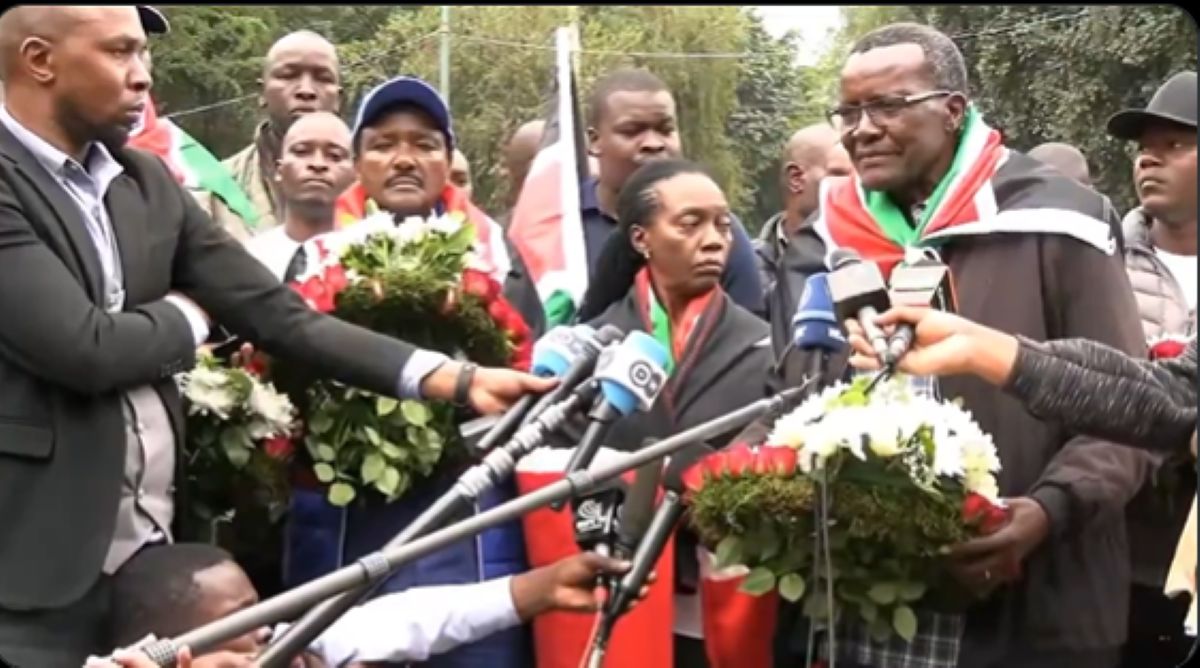
Police fired tear gas straight at opposition leaders, including Kalonzo Musyoka, Martha Karua, and James Orengo, today as they tried to honour victims of last year’s deadly June 25 clashes in Nairobi city centre. Former Chief Justice David Maraga spoke out sharply against the heavy barriers that stopped crowds from gathering freely.
The streets filled with tension from early morning. Officers blocked major routes with metal sheets and armed units. Protesters pushed forward anyway to remember young lives lost in past demonstrations. Security teams moved fast. They launched canisters that stung eyes and scattered groups near key spots in the capital.
Why did authorities erect these heavy barricades across Nairobi streets?
They aimed to control movement and limit large assemblies ahead of the memorial events. Organisers had notified police days earlier about peaceful plans to mark the anniversary. Yet forces were deployed in numbers that turned the city centre into a restricted zone.
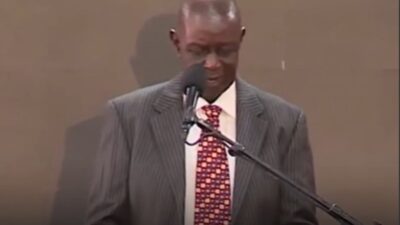
Maraga stood firm amid the chaos. In his speech he declared the barriers served one clear purpose. “All these barricades are meant to make sure that nobody comes here so that the govt can hide behind the compensation they have given.”
He stressed that money cannot replace lost lives. Families still grieve sons and daughters killed during the 2024 and 2025 protests against finance policies. Reports put the death toll from those earlier actions at dozens, with many more injured across counties.
Leaders gathered despite the obstacles. Kalonzo pressed through clouds of teargas. Karua and Orengo joined him in calls for justice. Witnesses described scenes of confusion as people ran for cover near Uhuru Highway and surrounding avenues. Some carried flowers and photos of the fallen. Others chanted for accountability from those in power.
What compensation has the government actually offered to victims’ families?
Authorities released funds estimated around two billion shillings to support affected households. Yet many recipients say the process feels rushed and incomplete. Maraga addressed the crowd directly on this point during a conversation with nearby activists.
He argued the payments look like an attempt to buy silence rather than deliver real justice. No independent probe has fully examined the circumstances of each death, he noted.
The June 25 date now carries heavy weight. In 2024, protests against proposed tax hikes turned violent in multiple towns. Security responses left young demonstrators dead in places like Nairobi, Kisumu, and Eldoret.
Similar unrest flared in 2025. Today marks a time for remembrance but also fresh demands. Activists want full truth, apologies, and guarantees that police will protect the right to assemble peacefully.
One mother who lost her son last year spoke quietly near the dispersal zone. She wiped tears while clutching his portrait. “They shoot our children and then throw money at us. It does not heal anything.” Her words echoed what many felt as the day unfolded.
Security officials defended their actions. They pointed to risks of property damage and past disruptions. Yet videos from the scene showed officers targeting known opposition figures with canisters even as groups stayed relatively small. Former Chief Justice Maraga himself moved carefully through the area. His presence added weight to calls for calm and constitutional respect.
How will these June 25 memorial protests shape national conversations ahead?
They highlight deep divisions over how the state handles public dissent. Opposition voices demand an end to what they call excessive force. Government sides insist order must prevail.
Teargas lingered in the air for hours near the main business district. Shop owners pulled down shutters early. Matatu drivers diverted routes to avoid hotspots.
Maraga kept his message blunt. He reminded everyone that compensation helps but fails to address root causes. Lives ended too soon. Questions remain about command decisions during those fatal clashes. Families wait for answers that go beyond shillings paid out.
By afternoon, smaller groups still tried to regroup in side streets. Some laid wreaths at symbolic spots. Others shared stories of loved ones via phone calls to relatives in rural areas. The city pulsed with a mix of sorrow and defiance. Heavy rain later washed away some of the teargas residue, yet the questions hung thick.
This latest flare-up fits a pattern seen since the original protests gained momentum. Young people drove much of the energy then, using digital platforms to organise. Their energy carries forward now through memorial actions.
Related Posts
Gachagua Draws Thousands During Narok East DCP Tour
Former Deputy President Rigathi Gachagua packed roads and grounds in Narok East on Monday as his Democracy for the Citizens Party push gathered force. Huge…
Ruto Urges Allies to Defend Record Against Opposition Fake News
President William Ruto pressed lawmakers, senators, governors, and cabinet secretaries from the UDA ODM broad-based government in Naivasha on Monday to fight back. He accused…
Police Arrest Fake Officer Over Bribes In Chepkumia, Nandi
Police officers in Nandi County moved quickly against a man at Chepkumia who posed as one of their own. The suspect carried a full set…
Oburu Odinga Stops Speech Eyes Failing at Naivasha UDA-ODM Retreat
ODM leader Oburu Odinga paused his prepared address halfway through the Broad-Based Government meeting in Naivasha on 10 August 2026. He informed the room that…