
Police Swarm Activist Vehicle as Brother Vanishes in Brutal Crackdown

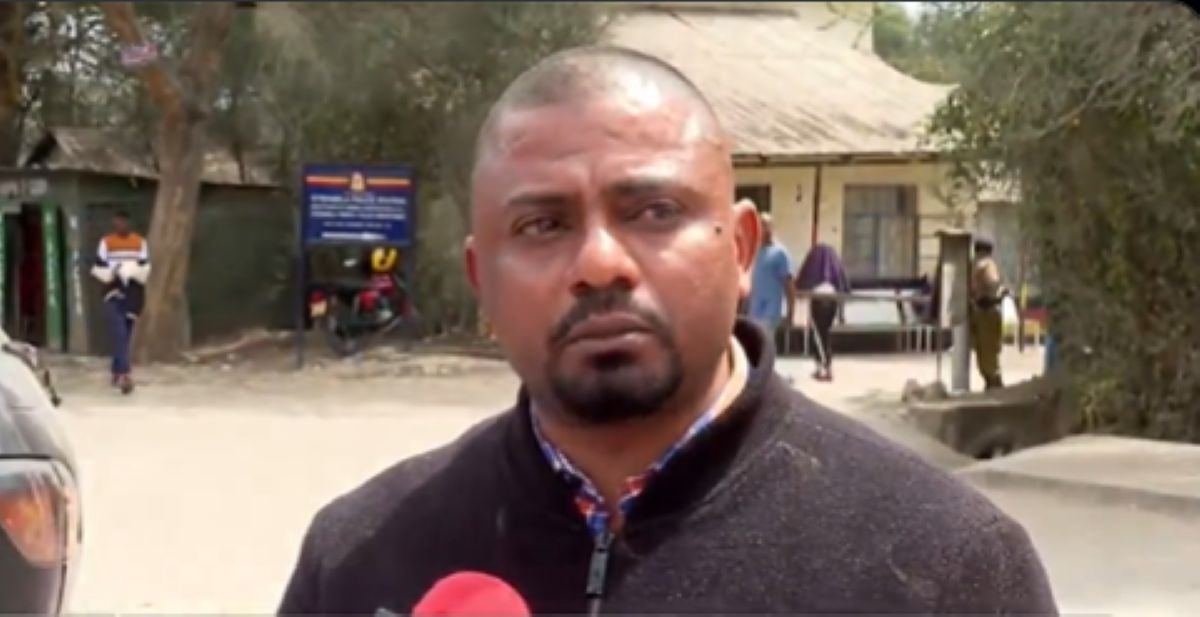
Longtone Hashim stood shaken beside his car near Kitengela today as police forces swept in during Gen Z anniversary tensions. Officers beat his brother Nadhim and blocked family access while the activist raised alarms over heavy-handed actions against demonstrators.
Longtone Hashim watched officers swarm his vehicle. His words cut through the chaos. “Polisi wamevamia gari langu, na ndugu yangu Nadhim amepigwa na polisi wa GSU. Wamesema hatuwezi mwona.” The activist spoke with raw anger as crowds gathered around Parliament Road and nearby spots on this tense June 25 morning.
He addressed reporters straight on. Tension hung thick in the air with dust from passing trucks and shouts echoing from side streets. People pressed phones high to capture every second.
What happened when police stopped Longtone Hashim near the protests?
Officers moved fast on his car. They pulled his brother out and struck him repeatedly with batons from the General Service Unit. Family members tried to reach Nadhim right away, but officers pushed them back hard. They refused any visit or update on his condition.
This clash unfolded as thousands marked the second anniversary of the deadly 2024 Gen Z demonstrations. Protesters remembered over 120 lives lost in last year’s unrest that rocked Nairobi and other towns.
Heavy deployments appeared across the capital and counties like Mlolongo and Kitengela. Security teams blocked roads and loaded people into trucks amid scattered running battles.
Longtone Hashim kept talking even as more officers arrived. He described how GSU personnel targeted them without clear reason. His voice rose when he listed the beatings and the sudden denial of contact. Bystanders nodded and murmured agreement while some filmed the scene from behind parked cars.
Why do families lose contact with loved ones during these operations?
Police often hold people without immediate family access during large crowd controls. In this case officers told Longtone Hashim and others they could not see Nadhim. No hospital name or station details came forward in the first hours. Such moves spark quick outrage because past incidents showed similar patterns where young men disappeared for days or weeks after arrests.
Kenya has seen this cycle before. Last year protests turned violent on June 25, 2024, when demonstrators stormed parliament buildings. Security forces responded with live rounds in some areas.
This time around authorities warned against any repeat actions, yet activists pushed forward with memorial marches. Ruto’s government deployed extra units to major routes into Nairobi CBD.
Longtone Hashim did not back down. He called out the targeting of his family. His brother Nadhim had faced troubles before. The pair once spoke publicly after an abduction ordeal that lasted over 30 days in late 2024.
They described warnings not to talk to media yet chose to share their story anyway. Today the pattern seemed to repeat in real time under the shadow of anniversary demonstrations.
Crowds swelled near key roads. Some youth waved placards while others ducked from tear gas canisters. Truck engines roared as security loaded detained people. One activist group pulled out, claiming politicians had hijacked the original youth movement. Still, many ordinary Kenyans turned up to honour those lost.
How heavy was the police presence across Nairobi today?
Reports described barricades on major avenues. Officers in full riot gear stood at intersections. GSU trucks moved through areas like Parliament Road with people visible inside some vehicles.
Video footage showed running scuffles and raised hands from protesters trying to record events. Medical teams stood ready at nearby points, but access remained tricky.
Longtone Hashim pointed to his damaged car. Scratches and dents marked where officers had forced entry. He demanded answers about his brother’s whereabouts and well-being.
“We just want to see him,” he told those around him. His eyes scanned the crowd for any sign of Nadhim or fellow activists.
Human rights groups monitor these situations closely. They note patterns of excessive force and communication blackouts during peak protest days. Families wait hours or days for basic information. Longtone Hashim joined a growing list of voices calling for transparency and restraint.
As the sun climbed higher, more people joined streets in different towns. Some carried flowers for the 2024 victims. Others chanted for justice and better governance. Police maintained positions but avoided large escalations in some zones while cracking down hard in others.
Related Posts

IEBC Sets New Campaign Spending Limits for 2027 Election
The Independent Electoral and Boundaries Commission published fresh rules that control money flows for the coming national vote across Kenya. IEBC raised campaign spending limits…

Bonny Khalwale Backs Sifuna Presidential Bid in Kakamega
Crowds filled Butere streets on Saturday, August 8, 2026, as Kakamega Senator Bonny Khalwale stood firm with Nairobi Senator Edwin Sifuna. The veteran leader pledged…
Mudavadi Suffers Blow as Bank’s CEO’s Secure Court Orders
Prime Cabinet Secretary Musalia Mudavadi took a sharp hit when executives from Co-op Bank KCB and NCBA won court protection that blocks their prosecution in…

Kalonzo Musyoka Drops Bombshell Over Donated Broad-Based Experts
Kalonzo Musyoka stunned the nation this week when the Wiper leader detailed secret moves by President William Ruto to pull key Orange Democratic Movement figures…