
IEBC Sets New Campaign Spending Limits for 2027 Election

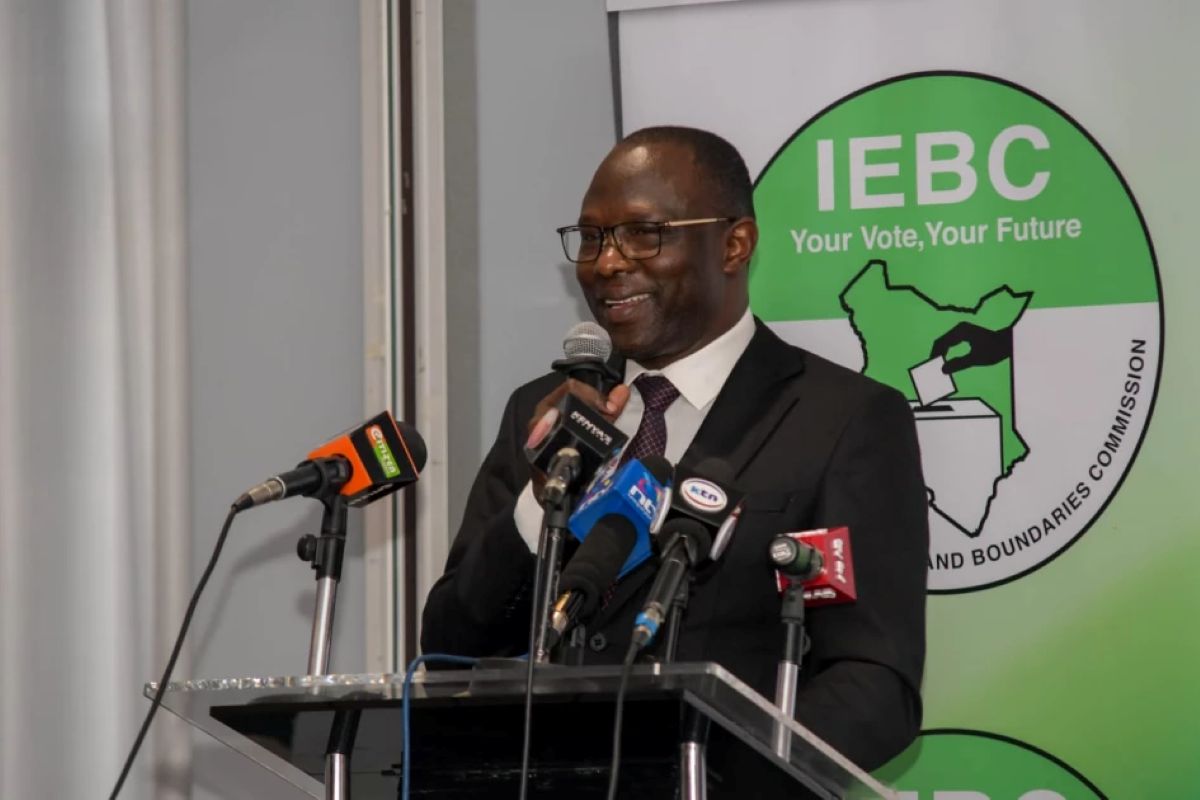
The Independent Electoral and Boundaries Commission published fresh rules that control money flows for the coming national vote across Kenya. IEBC raised campaign spending limits so presidential hopefuls may use as much as KSh 6.11 billion, while parties share a combined KSh 24.45 billion pool. Officials acted now to keep the race fair before voting begins next year.
The commission released the figures in a formal notice that reached every county office. Presidential candidates face a challenging ceiling of KSh 6.11 billion for the entire race. Political parties together hold a total allowance of KSh 24.45 billion. That sum breaks into clear parts.
Transport claims KSh 16.13 billion. Advertising and media take KSh 2.52 billion. Election agents received KSh 2.08 billion. The remaining share covers other necessary costs. These numbers arrived after careful calculation. Population counts for 70 per cent of the formula.
Land size accounts for the other 30 per cent. Nairobi tops the county list with KSh 181.31 million. Turkana follows at KSh 142.07 million. Marsabit sits close behind with KSh 127.02 million. Lamu records the lowest figure at KSh 28.69 million. The spread reflects real differences in people and terrain.
A single donor may give no more than 20 per cent of the allowed contributions. Anyone who breaks the ceilings and hides the excess faces real consequences. The fine reaches KSh 2 million. Prison time stretches to five years. Courts may apply both punishments together.
The rules aim to stop unchecked money from tilting the field. Campaign teams now review their budgets with fresh urgency. Accountants open ledgers and mark every shilling. Field organisers adjust travel plans to stay inside the transport share. Media buyers check rates against the advertising allocation.
What spending limits did IEBC set for presidential candidates?
Presidential candidates can spend up to KSh 6.11 billion under the new rules. That figure stands as the clear maximum for any individual seeking the top office. Teams must track every expense from the first rally to the final vote count.
One campaign manager in Nairobi said the number forces careful choices. He added that large rallies on open grounds still fit the budget, but luxury travel must shrink. Another voice from a party office in Mombasa explained that the transport slice of KSh 16.13 billion for all parties will stretch thin across long distances.
The 70 per cent population weight gives denser areas more room. The 30 per cent land weight protects vast, sparse counties from total exclusion.
How do county campaign limits vary under the IEBC rules?
Nairobi holds the highest county limit at KSh 181.31 million, while Lamu sits at the bottom with KSh 28.69 million. Turkana claims the second spot with KSh 142.07 million. Marsabit follows at KSh 127.02 million. These rankings match the population and land formula exactly. A county clerk in Turkana observed that the large area demands more fuel money, yet the population weight keeps the total below Nairobi.
A resident near the Lamu shoreline said the smaller figure matches the compact size of the county. She added that local meetings under trees still reach voters without huge spending.
The commission published the full list so every aspirant can plan. Candidates who ignore the numbers risk the stated penalties. The fine of KSh 2 million hits hard for smaller teams. Prison time up to five years adds a strong deterrent. Both sanctions apply if the excess goes unreported.
Party strategists already meet in closed rooms across the capital. They divide the combined KSh 24.45 billion among competing needs. Advertising buys must stay inside KSh 2.52 billion. Election agents share KSh 2.08 billion.
The transport block of KSh 16.13 billion covers the bulk of movement costs. One senior party official in Kisumu stated that the agent will hire monitors at every polling station.
He stressed that the rules leave little room for waste. Another planner in Eldoret pointed out that media spots on radio and television now require strict prioritisation.
The 20 per cent donor cap stops any single backer from dominating a campaign. Contributions must spread wider under this rule. The commission will watch reports closely as the 2027 race gathers pace.
The gazette notice gives every side a clear map. Campaigns that stay inside the lines avoid trouble. Those that cross them face the full force of the law. The Independent Electoral and Boundaries The commission sets the frame and expects full compliance. Hard figures now guide every decision from the smallest ward race to the national contest. The coming months will test how well teams adapt.
Related Posts
IEBC Sets New Campaign Spending Limits for 2027 Election
The Independent Electoral and Boundaries Commission published fresh rules that control money flows for the coming national vote across Kenya. IEBC raised campaign spending limits…
Bonny Khalwale Backs Sifuna Presidential Bid in Kakamega
Crowds filled Butere streets on Saturday, August 8, 2026, as Kakamega Senator Bonny Khalwale stood firm with Nairobi Senator Edwin Sifuna. The veteran leader pledged…
Mudavadi Suffers Blow as Bank’s CEO’s Secure Court Orders
Prime Cabinet Secretary Musalia Mudavadi took a sharp hit when executives from Co-op Bank KCB and NCBA won court protection that blocks their prosecution in…
Kalonzo Musyoka Drops Bombshell Over Donated Broad-Based Experts
Kalonzo Musyoka stunned the nation this week when the Wiper leader detailed secret moves by President William Ruto to pull key Orange Democratic Movement figures…