
Kalonzo Musyoka Drops Bombshell Over Donated Broad-Based Experts
 Sandra Mutuku — August 7, 2026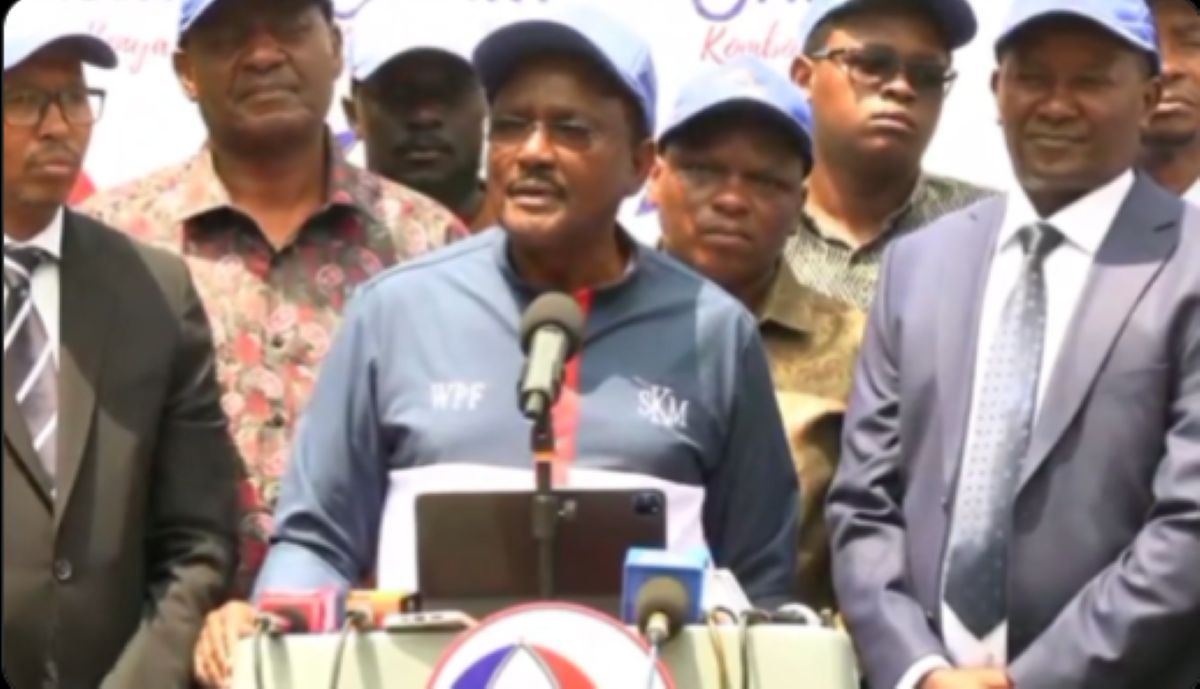
Kalonzo Musyoka stunned the nation this week when the Wiper leader detailed secret moves by President William Ruto to pull key Orange Democratic Movement figures into his administration during 2024 negotiations in Nairobi.
The broad-based government plan fell apart after Ruto allegedly paid individual experts instead of honoring a joint power-sharing deal that Raila Odinga had preferred from the start.
Kalonzo spoke with clear force. He painted a picture of early hope that faded fast. Raila Odinga first rejected any idea of sending ODM experts straight into Ruto posts.
The original idea aimed at national dialogue. Both sides would name their own people for Cabinet seats. That plan promised balance. It never took root.
Ruto acted alone instead. He approached four ODM heavyweights one after another. Money changed hands according to the account. John Mbadi took a role. Opiyo Wandayi followed.
Wycliffe Oparanya joined next. Hassan Joho completed the group. Each move happened against Raila’s advice. Kalonzo made that point sharp and plain.
What triggered Kalonzo Musyoka to speak out now
He chose this moment because the full story had stayed hidden too long. Supporters across eastern Kenya and beyond demanded answers about the failed 2024 process. Kalonzo answered them directly. He recalled closed-door sessions where the power-sharing idea first surfaced. Raila pushed hard for collective nominations. Ruto preferred separate deals. The difference proved fatal to trust.
Short meetings turned tense. Voices rose. Papers stayed unsigned. Then the individual approaches began. Kalonzo described how the four men received offers that proved hard to refuse. The sequence mattered. Ruto did not wait for any group consensus. He moved person by person. That tactic broke the original framework.
Observers of Kenyan politics remember the public statements from mid-2024. Cabinet lists appeared without ODM party approval. Raila kept quiet at first. Later he signaled clear displeasure.
Kalonzo now fills in the private gaps. He insists the bribes came first. The public appointments came later. The order reveals the true method.
How did the original power-sharing proposal collapse?
It collapsed when Ruto shifted to private payments and ignored the joint agreement. The plan had looked solid on paper. Each side would pick a share of ministers. Dialogue teams would meet in Nairobi hotels and State House rooms. Dates in early 2024 saw several rounds. Progress felt real for a brief stretch. Then the individual contacts started.
Kalonzo walked through the timeline. Raila held firm against solo appointments. He wanted every name to carry party weight. The four men chose differently. Mbadi accepted finance-related duties. Wandayi moved into a key portfolio.
Oparanya took devolution links. Joho entered coastal and trade circles. None of them waited for Raila clearance. Kalonzo called the pattern deliberate.
Everyday Kenyans felt the fallout. Markets in Kisumu and Mombasa buzzed with talk. Farmers in Ukambani asked whether real unity had ever existed. Kalonzo tied the story back to those questions.
He said the nation deserved the unfiltered version. His words carried weight because he sat near the center of those talks.
The human cost showed in strained friendships. Old allies stopped speaking freely. Party structures in ODM faced quiet splits. Some branch leaders defended the four appointees.
Others stood with Raila. Kalonzo positioned himself as the one willing to name the method. He used simple language. He avoided soft edges.
Further details emerged in his account. The first contact targeted one expert. A second followed within days. Offers included cash and future influence. Acceptance came quickly.
Public announcements trailed the private deals by weeks. That lag allowed Ruto to claim organic interest. Kalonzo rejected the claim. He labelled the process pure inducement.
Context from the wider political scene adds texture. Kenya faced economic pressure through 2024. Protests had shaken Nairobi streets earlier that year.
Dialogue looked like a path to calm. Many citizens hoped for shared leadership. The collapse left those hopes unmet. Kalonzo linked the bribery claims to that larger disappointment.
Kalonzo stressed personal knowledge. He attended key sessions. He heard the early resistance from Raila. He watched the shift happen.
His decision to speak now stems from a sense of unfinished business. Party members still ask why the four crossed over. This account supplies the missing piece.
Specific rejection by the ODM leader. Kalonzo left little room for soft interpretation. He presented the facts as he experienced them. Listeners in living rooms across the country weighed every line.
The account traveled fast because it matched earlier suspicions. Yet only Kalonzo supplied the insider sequence. That detail gave the bombshell its lasting power.
He closed with a call for honesty in future talks. Any new dialogue must start with open books. Side payments destroy collective purpose. The 2024 experience stands as proof. Kenya needs better methods. Citizens deserve leaders who keep public agreements public.
Related Posts
Kalonzo Musyoka Drops Bombshell Over Donated Broad-Based Experts
Kalonzo Musyoka stunned the nation this week when the Wiper leader detailed secret moves by President William Ruto to pull key Orange Democratic Movement figures…
Malindi High Court Says Legal General Election on 11th Aug 2026
A Malindi High Court judge declared on August 7, 2026, that the presidential election for Kenya must take place this month under constitutional rules after…
How a KSh450 Million I&M Bank Loan Swelled to KSh2.5 Billion Debt
Businessman Divyesh Indubhai Patel and his companies say they have already paid more than KSh1 billion towards a commercial loan that originally stood at KSh450…
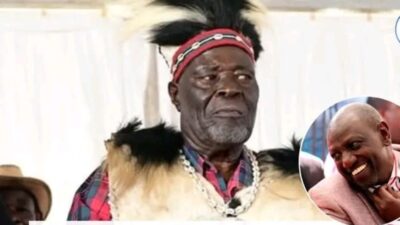
Luo Leader Warns of Curse for Non-Ruto Votes in 2027
Randa the Luo elders leader spoke out in Kenya recently and told community members they must back President William Ruto for the Ruto 2027 race…