
Zembwela Blasts Gladness Kifaluka For Indecent African Dress
 Dan Mwadime — June 24, 2026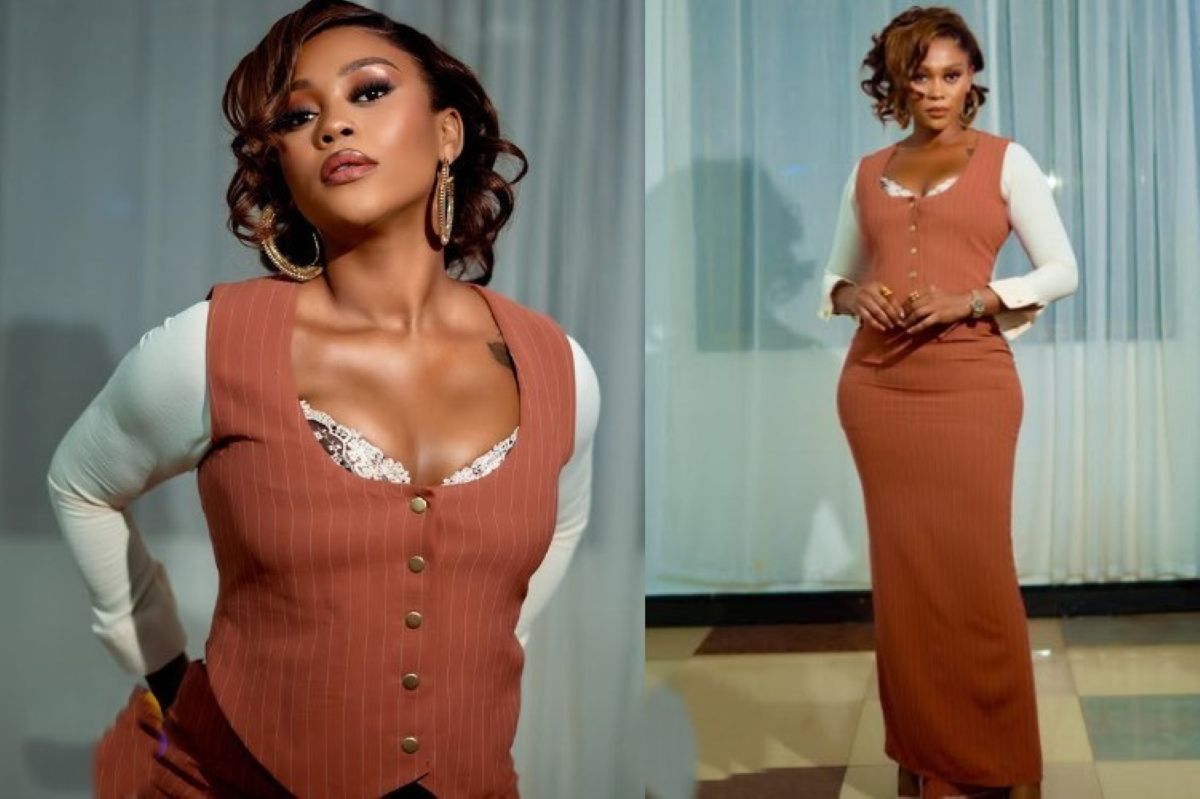
TV presenter Zembwela voiced sharp disgust at the outfit actress Gladness Kifaluka wore on screen. He argued it lacked proper African morals and crossed lines for family audiences. Zembwela blasts Gladness Kifaluka publicly because he believes such choices erode respect built over years in the industry and at home. The moment sparked immediate reactions across entertainment circles this week.
Zembwela did not hold back. He made his position crystal clear during recent comments. Even if Gladness had worn the dress while heading out to drink, he still would have rejected it outright. Short. Direct. No room for misunderstanding.
Why does Zembwela oppose the outfit so strongly?
He sees it as completely wrong for the image Gladness has worked hard to build through her career and personal reputation.
Zembwela explained his thinking in plain terms. He admitted he stays far from fashion trends, yet still knows this choice felt off. The presenter stressed that the garment failed basic standards of decency. He pictured scenarios where someone might dress freely for fun but drew the line here.
“I still find it unacceptable based on the big foundation she built for her respect; that dress was not right even if it was a day of drinking and climbing on tables. Later, when I followed up on this, it was not even if I am far from fashion,” Zembwela said in his pointed remarks. His words landed heavy. They captured raw frustration many listeners recognised immediately.
He pointed to his own experiences in the industry. Presenters and actors carry influence. One wrong visual choice can shift perceptions overnight. Gladness built admiration through roles that celebrated dignity and community ties. This latest appearance challenged that track record in the eyes of critics.
What makes an outfit cross the line in African entertainment?
Critics like Zembwela argue it fails to honour cultural values of modesty that generations defended through music, dance and storytelling traditions dating back decades.
He addressed the crowd of fellow media workers during a casual station conversation. His tone mixed disappointment with clear concern. The presenter reminded everyone that public figures carry responsibility beyond personal expression. Parents watch these shows with children. They look for examples that strengthen bonds rather than stretch them thin.
Zembwela kept focus on the core issue. He wants the industry to protect hard-earned reputations. Actors train for years to earn trust. Viewers invest time and emotions into characters. When visuals undermine that investment, the whole production suffers.
The actress has not issued a detailed response yet. Industry insiders expect dialogue in coming days. Meanwhile, conversations continue in homes and markets. People debate where personal freedom meets public accountability. Zembwela added his weight to one side with unfiltered honesty.
His background gives him authority on these matters. Years spent crafting messages for wide audiences taught him the power of images. He sees the outfit as more than fabric. It becomes a statement that reaches living rooms far beyond the studio lights.
Short pauses in his delivery revealed genuine emotion. This was not scripted outrage. It came from a place of real care for standards he watched erode slowly.
Entertainment executives monitor such moments closely. They track social mentions and call-in numbers. Past controversies led to quick adjustments in episode edits and promotional materials. This case may follow similar steps if pressure builds.
Zembwela blasts the choice without attacking the person behind it. He separated the outfit from Gladness’s overall contributions. That nuance matters in tight-knit media communities where relationships drive future projects.
Related Posts

Jina Liko Na Bank! Baba Levo Refuses Diamond-Zuchu Baby Name Reveal
Baba Levo spoke out recently in Tanzania and made clear he will stay silent on the child of the famous couple. The comedian explained that…

Charlene Ruto Traditional Wedding with Husband Isaya Yunge
Tanzanian internet entrepreneur Isaya Yunge stands ready to join First Daughter Charlene Ruto in a landmark traditional ceremony this Saturday, August 8, 2026, at the…
Charlene Ruto Prepares for Dowry Koito Ceremony: Who is the Husband?
President William Ruto’s daughter Charlene Ruto steps into a major life moment as her Koito ceremony draws near at the family farm in Kilgoris this…

East Africa Stars Dominate 2026 AFRIMMA Nominations
Tanzanian singers and peers from Uganda plus Kenya just locked in multiple spots for the African Muzik Magazine Awards as AFRIMMA nominations roll out ahead…