
Halima Denies Running Shollard Account Over Ruto Flight Details
 Dan Mwadime — July 3, 2026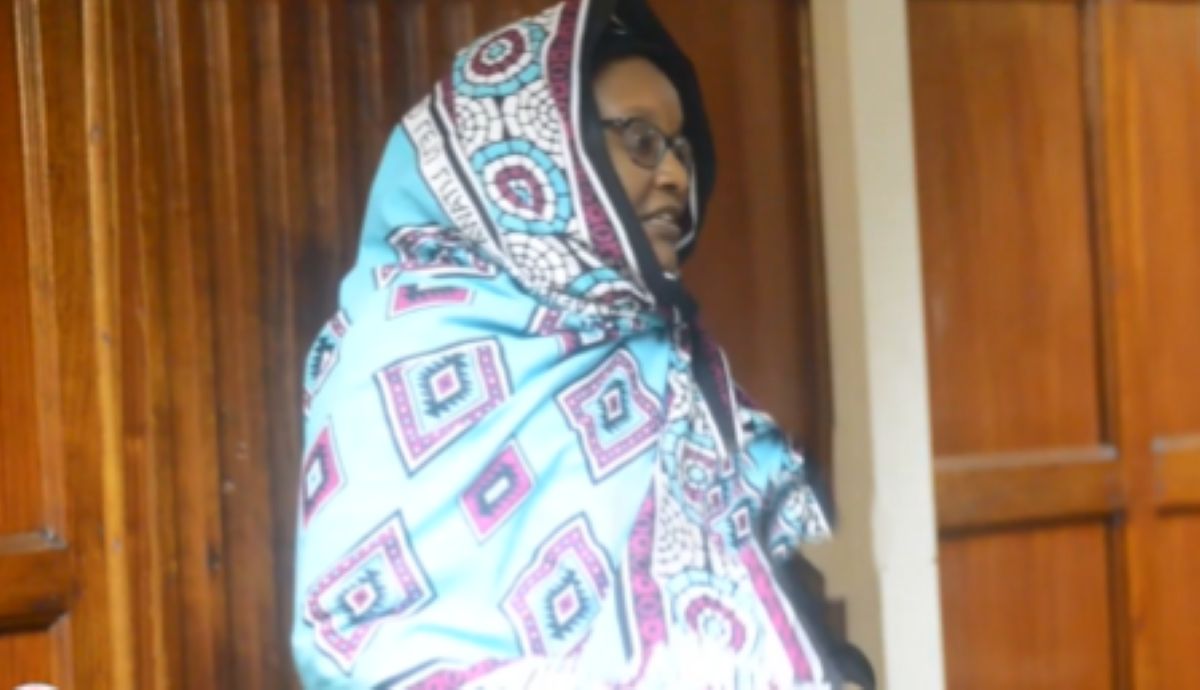
Halima Ngache pushed back hard against accusations that she ran the Shollard account and leaked President William Ruto flight details this week. Detectives from the Directorate of Criminal Investigations picked her up in Mombasa on Tuesday. They hauled her to Milimani Law Courts the next day, where a magistrate granted them three days to hold her for questioning. She insists someone else controls that handle.
What exactly sparked this arrest?
The Shollard account posted precise updates on the president’s European tour. One message on June 8 claimed Ruto flew from Belgium to Norway on a chartered private jet. Another on June 10 tracked the same aircraft to Finland.
A third post dated June 25 suggested he had left Kenya and would board another jet in Madagascar. Investigators say those details included aircraft registration numbers and routes. They flagged the activity as a serious breach under the Computer Misuse and Cybercrimes Act that endangered a protected person.
Halima stood in court and told her side plainly. She addressed the judge during the hearing. “They took my gadgets, but the account Shollard is still tweeting. How can it be me?” Her words cut through the room.
She added that her own account differs. “It’s Mima and the account that they’re saying that it’s me; it’s Schollard, and it’s still tweeting, and they took my gadgets yesterday morning.”
Detectives seized her devices during the raid in the Kazandani area, yet the controversial handle kept firing off updates. That fact alone fuelled her defence and left many observers scratching their heads. How does an account keep posting without the alleged operator’s tools?
How did authorities link Halima to the Shollard posts?
Corporal Edwin Metto from the DCI Serious Crimes Unit filed papers that tied her to the activity through intelligence. Officers described an intelligence-led operation. They pointed to repeated tracking of presidential movements during the official trip abroad. Sharing real-time flight data on a public platform crossed a red line for national security teams.
The case highlights growing tension around social media and state security. Kenyan authorities treat live details on VIP travel as potential threats. Planes carry not just leaders but also security protocols that adversaries could exploit. One post with a tail number or route chart can travel faster than any official denial.
Halima appeared composed yet frustrated as proceedings unfolded. She maintained her innocence throughout. Supporters outside the courtroom whispered about possible mistaken identity or hacked profiles. Others wondered aloud whether multiple people shared access to the handle.
Does the account really belong to someone else?
Halima repeated her core argument. The Shollard profile continued its activity long after police confiscated her phones and laptops. “They took my gadgets, but the account is still tweeting,” she stressed again in conversation with those nearby.
That simple observation punched holes in the initial assumption that she single-handedly ran the operation.
The matter returns to court on July 6 for mention. By then detectives hope to dig deeper into digital footprints, IP addresses, and any linked devices. Halima’s legal team will likely push for her release if the evidence remains circumstantial.
This episode throws fresh light on the tricky balance between free speech online and protecting high-profile figures. Ordinary citizens now access flight tracking apps like FlightRadar24 with ease.
Yet when those same tools target presidential aircraft, questions multiply fast. Officials worry that such posts invite risks ranging from embarrassment to genuine safety threats.
Neighbours in Mombasa described Halima as a quiet woman known in online circles as Princess Halima or @Mims. Few expected her name to surface in national security talks. The swift arrest shows how seriously authorities now monitor platforms for anything touching protected persons.
As the three-day detention window ticks down, pressure builds on both sides. Prosecutors must strengthen their connection between Halima and the Shollard handle. She continues to insist the facts speak for themselves. An account that tweets without her gadgets cannot logically point back to her alone.
Public reaction split along familiar lines. Some cheered the move as necessary vigilance. Others saw it as heavy-handed policing of information already available through public sources.
Related Posts

Ruto: Sifuna ni fala anataka tusimamishe mradi wa Affordable Housing
President William Ruto stood before crowds in Eldoret, Uasin Gishu County, on Thursday, August 13, 2026, and branded Nairobi Senator Edwin Sifuna a fool for…

CO-OP BANK REPORTS A STRONG 17.3 PERCENT GROWTH IN PROFIT TO KSH…
Co-op Bank has posted a strong profit before tax of KSh 23.1 billion for the half year ended 30 June 2026, compared to KSh 19.7…
Ruto Demands Mandatory New Constitution for Vision 2060 Reforms
Kenyan President William Ruto told a national audience this week that the 2010 Constitution forces leaders to seek the people’s approval on major changes rather…
After Claims 2024 Gen Z Were From Illuminati, MP Kagombe Quits UDA
Gatundu South lawmaker Gabriel Kagombe walks away from the United Democratic Alliance this week as he eyes a fresh vehicle in Kenya’s mountain region. The…