
Mudavadi Challenge Sifuna, ‘I will be first Luhya President’

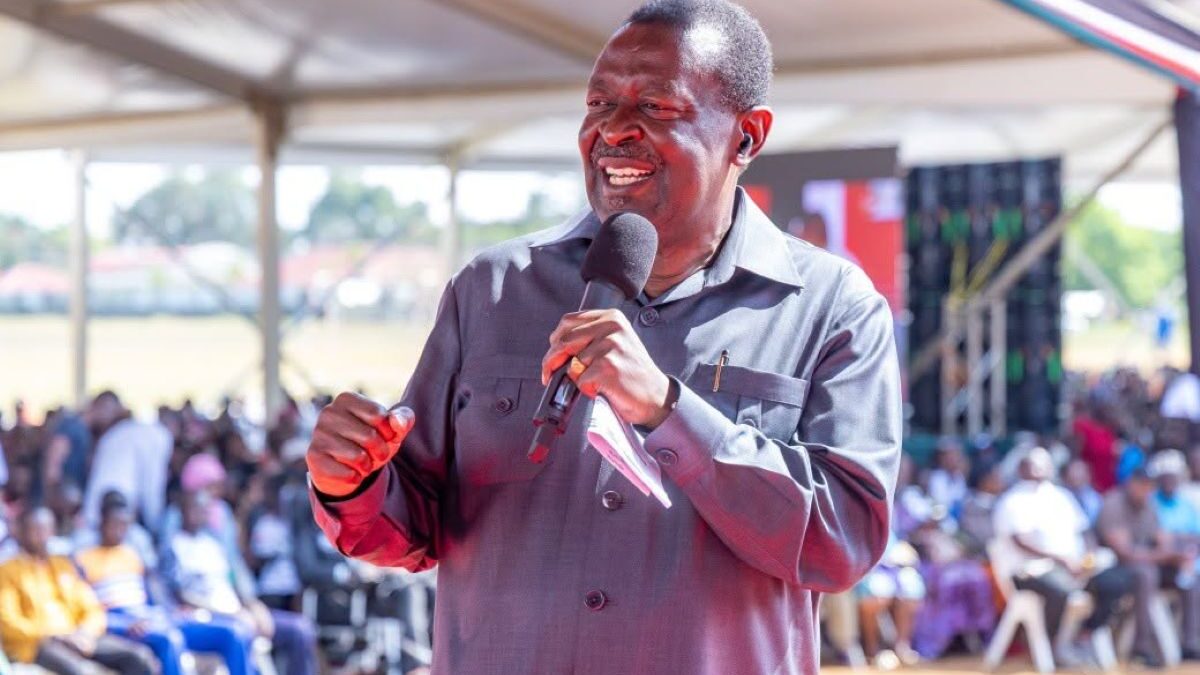
Veteran politician Musalia Mudavadi asserts his pioneering path makes him the natural first president from the Luhya community as he directly challenges those pushing Sifuna for the top opposition job. He questions their strategy and urges honesty with younger leaders in the race for 2027.
Musalia Mudavadi stepped forward with sharp words that cut through the political chatter. He reminded everyone of his trailblazing record. The former vice president spoke with clear conviction during recent engagements.
Mudavadi declared his unique place in history. He stated firmly that he broke new ground for his people.
“I was the first Luhya politician to hold the Vice President’s office in this country, and because of that, I will be the first President from the Luhya community,” Mudavadi said. He added that he felt blessed to lead early efforts for the Mulembe Nation. His message carried pride mixed with pointed advice for fellow community members.
Why does Mudavadi question support for Sifuna now?
He wants straight answers from those who back the younger politician for higher office. Mudavadi pressed hard on this front. He asked pointed questions about real intentions and sacrifices needed.
“Nataka niwaulize wale Waluhya ambao wanamuunga mkono Sifuna akue endorsed kama presidential candidate wa opposition,” he said. Mudavadi continued by demanding clarity. “Nyinyi mko na hakika wale kina Kalonzo Matiang’i na Wamunyoro watamuachia hiyo nafasi apeperushe bendera kulingana na ile tamaa ya uongozi tunajua wako nayo.”
He warned against empty promises. Mudavadi told supporters to stop misleading the young man. “Wacheni kudanganya huyo kijana wetu,” he urged. “Tuseme tu ukweli.”
Analysts in the western region heard these remarks land with force. Mudavadi did not mince words. He highlighted the deep ambitions that drive senior figures like Kalonzo Musyoka, Fred Matiang’i and others. His challenge forces a fresh look at unity talks ahead of major votes. Community leaders now face pressure to align or explain their stands openly.
What future awaits the Mulembe Nation in national leadership contests?
Mudavadi paints a picture rooted in firsts. He positions himself as the one who opened doors decades ago. That experience he argues gives him unmatched credentials. Supporters nod to his long service that spans cabinet roles and coalition building since the early 2000s. They point to specific moments when he stood firm during tense political seasons.
Yet rivals and younger voices push different visions. Sifuna draws crowds with energetic calls for change. His backers believe fresh faces can energise voters tired of familiar names. Mudavadi counters that day-dreams without hard truths lead nowhere. He wants the community to face facts about power sharing and readiness.
Talks swirl around dates. Insiders eye 2027 as the next big test. Local gatherings in places like Kakamega and Bungoma already buzz with strategy sessions. Mudavadi’s intervention adds fuel to debates that could reshape alliances. He calls for honesty that builds real strength rather than temporary cheers.
The veteran leader walked a careful line. He celebrated progress for the Mulembe Nation while cautioning against division. His words echo across community forums and family discussions. Many recall how past efforts brought the Luhya voice into high offices. Mudavadi wants that momentum protected.
He addressed the crowd with authority born from years at the centre of events. Mudavadi stressed that true leadership demands sacrifice from everyone involved. No one gets a free pass, he implied. His direct style left little room for vague commitments.
Political temperatures rise as groups weigh options. Mudavadi’s stand forces conversations about who carries the flag and why. Younger politicians like Sifuna gain attention for their bold approaches. Senior figures counter with experience and proven records. The tension plays out in meetings and public statements that draw packed crowds.
Mudavadi warns against backing Sifuna for the top opposition job without full buy-in from established players. He disperses doubt about quick endorsements. His message travels fast through networks in the region. Families debate it over evening meals. Leaders scheduled follow-up talks to address the concerns he raised.
Related Posts
Oburu Odinga Mocks Gachagua Celebration Over Ol Kalou Win
Oburu Odinga directly challenged Rigathi Gachagua and the DCP party over their Ol Kalou by-election triumph in a sharp address from Siaya. The veteran politician…
Murang’a Governor Kangata Slams Ruto-Moi Style Rule
Murang’a Governor Irungu Kang’ata spoke out sharply on Radio Generation and tied growing anger across the Mount area to President Ruto’s leadership approach that echoes…

Court Reject Zenka Claim For Benson Njeru Punitive Loan Debt
A judge blocked a digital lender from collecting Sh152,000 from borrower Benson Njeru after he took a Sh76,000 loan. The court rejects the digital lender’s…
Aisha Jumwa Slams ODM Colleagues Over 2027 Zoning Debate
Aisha Jumwa fired strong words at her ODM counterparts inside the broad-based government as they push zoning talks ahead of the 2027 elections. The UDA…