
Sheryl Gabriella Sue Nairobian Over Online Sex Economy Story
 E. Njeri — September 9, 2026
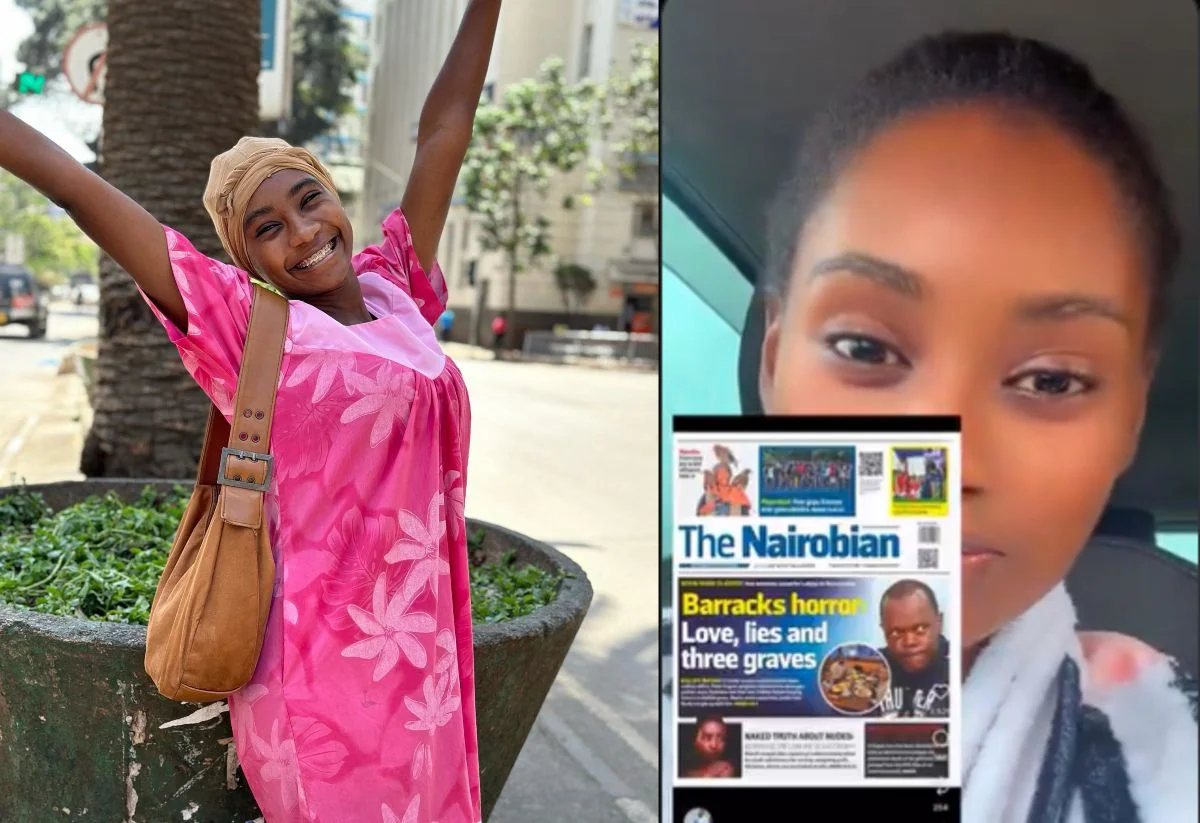
Content creator Sheryl Gabriella filed suit against the national newspaper the Nairobian in Nairobi this week after the paper put her image on its front page inside a report on young people selling intimacy for survival. Sheryl Gabriella sues Nairobian because she says the feature twisted her public image and harmed her career as a digital star.
Sheryl moved fast. She hired lawyers right after the paper hit newsstands across Kenya. The Nairobian ran the piece in late August 2026 and placed her photo right under a headline about desperate youth.
Gabriella rejected every link to that trade. She builds content for brands and fans online. The story painted a different picture. Courts in Nairobi now hold the file. Judges will hear arguments soon.
The paper claimed the feature explored hard choices facing young Kenyans in the capital. It mixed interviews with street voices and online figures. Gabriella appeared without any interview request from the writers.
She saw her face first on a street vendor’s stack near Kenyatta Avenue. Anger hit hard. Friends texted screenshots within minutes. She called her team that same afternoon.
Why did Sheryl Gabriella take the newspaper to court?
She seeks damages and a public correction because the front-page placement suggested she take part in selling intimacy.
Lawyers for Gabriella filed papers at the High Court in Nairobi on September 3, 2026. They list claims of defamation and privacy invasion. The Nairobian sold thousands of copies that day.
Street sales jumped in the central business district and Eastlands. Readers shared photos on phones. Gabriella watched her brand deals freeze overnight. One sponsor from a Nairobi fashion house pulled a planned campaign within hours. Another delayed payment on a signed contract.
She spoke clearly during a conversation to close supporters. “They put my face next to that story without asking me once.” She added that her work stays clean and focused on lifestyle clips and music covers.
“I never sold anything of that kind.” Friends who joined the talk backed her words. One long-time collaborator said the image choice felt deliberate. Another noted how the layout left little room for doubt in a casual reader’s mind.
What impact does this lawsuit hold for Kenyan content creators?
It forces media houses to seek clear consent before using personal photos in sensitive reports. The case lands at a tense moment for Nairobi’s newsrooms. Editors at the Nairobian defended the overall package in a short statement released September 5, 2026. They said the report aimed to highlight real pressures on youth in the city and that the photo came from public social feeds.
Gabriella’s side rejects that view. Her lawyers argue the front placement turned a general story into a personal attack. They demand an apology printed in the same size and spot.
Gabriella grew up in Bomet County and built her following through steady daily posts. She moved to Nairobi years ago and turned early struggles into online reach. Brands noticed her honest tone.
By early 2026 she had secured multiple monthly deals that paid well. The newspaper feature changed the mood. Calls from partners slowed.
Street vendors near the University of Nairobi still sold leftover copies days later. Students flipped pages and argued over the ethics. One group of young women told a reporter they felt the story mixed private lives too freely. A male student said the paper should have blurred faces or sought quotes. These small talks spread the debate beyond the courtroom.
Gabriella’s team prepared a full list of lost opportunities. They noted five pending deals that stalled after the page appeared. One involved a major telecom brand based in Westlands. Another came from a beauty line that ships across East Africa. Exact figures stay under seal for now, but the total runs into hundreds of thousands of shillings. Her lawyers plan to present bank records and message threads when the hearing opens.
The Nairobian belongs to a larger media group that prints several titles each week. Its weekend edition often leads with human interest pieces. This time the choice of image created the spark. Gabriella insists she never agreed to any use of her likeness for that angle. She keeps records of every media request she has answered in the past. None match this story.
Related Posts
Zawadi Nyong’o and Wife Marks Love Milestone in LGBTQ
Zawadi Nyong’o, the daughter of Kisumu Governor Anyang’ Nyong’o, shared a heartfelt Instagram update on Tuesday, September 8, from her home base in Kenya, as…
Sheryl Gabriella Sue Nairobian Over Online Sex Economy Story
Content creator Sheryl Gabriella filed suit against the national newspaper the Nairobian in Nairobi this week after the paper put her image on its front…

Huddah Monroe Prefers Single Life Over Kenyan Marriage
Alhuda Njoroge, known as Huddah Monroe, landed back in Kenya this week and told the public she would rather die alone than wed any local…
Woman Faces 14 Years Jailed After Keeping Sh33K Wrongly Sent
Kenyan police arrested Mary Nanjala after she refused to return Ksh 33000 sent to her by error and switched off her phone. Detectives tracked her…