

A top figure in Sudan’s Rapid Support Forces now holds a Kenyan passport even as US sanctions target him for fuelling the brutal civil war back home. Algoney Hamdan Daglo Musa, younger brother of RSF commander Mohamed Hamdan Dagalo (better known as Hemedti), appears in updated US Treasury records with passport number AK1586127 listed right alongside his Sudanese documents and a UAE identification card.
The revelation hit headlines in Kenya this week after The Standard newspaper splashed “RSF passport shame” across its front page, sparking sharp questions about how someone accused of arming fighters in a conflict that has killed tens of thousands got hold of Kenyan citizenship papers.
The US first slapped sanctions on Algoney back in October 2024. Officials there say he runs procurement for the RSF, buying weapons, vehicles, and other gear that keeps the paramilitary group fighting against Sudan’s army. That war kicked off in April 2023 and has left millions displaced, cities in ruins, and parts of Darfur facing what many call outright genocide. The Treasury called out his role in supplying arms that prolonged the siege of El Fasher and other hotspots where civilians suffer the most.
This latest update from the Office of Foreign Assets Control adds fresh details on his travel documents. It shows he moves around using multiple identities, which makes it easier to dodge restrictions and keep business going.
Passports like this open doors for banking, residency, and movement far from the battlefield. For Algoney, having a Kenyan one raises eyebrows because Kenya has pushed hard to stay neutral in Sudan talks while hosting peace efforts and refugee flows.
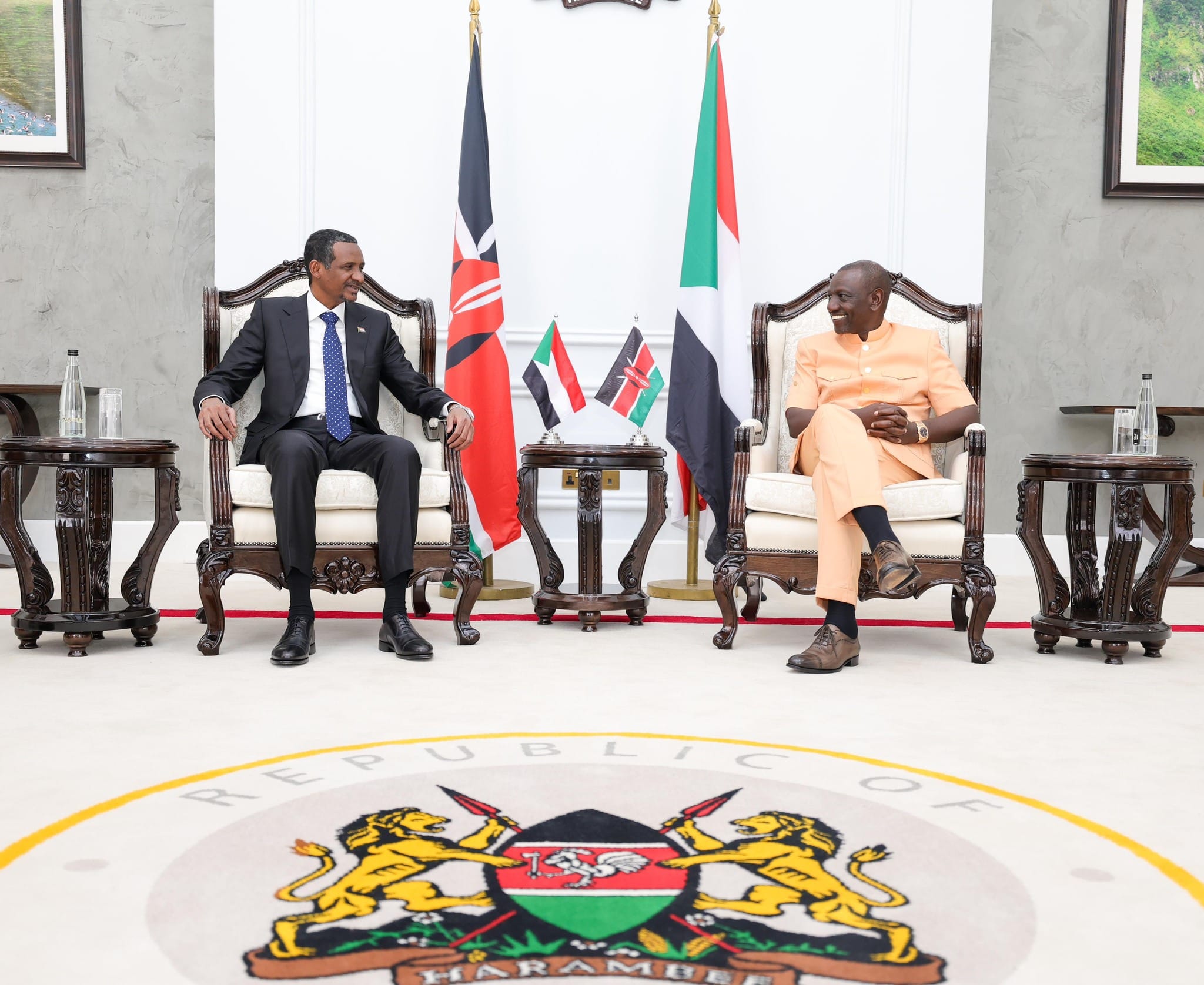
Kenya’s government has always denied any backing for the RSF. President William Ruto has called out claims of arms supplies or favouritism as baseless. Yet the passport link stirs up old memories. Back in 2023, photos surfaced of Ruto meeting Hemedti in Nairobi, part of wider regional diplomacy to calm the fighting.
Critics now point to that picture and ask if ties run deeper than admitted. Immigration officials face the heat too – how does a sanctioned foreign national secure a Kenyan passport without red flags going up?
The Standard’s report pulls no punches. It talks about possible help from inside the system to get the document, letting Algoney travel freely despite US and later EU blacklists. No official comment has come yet from State House, the Foreign Ministry, or Immigration on the specifics.
Silence so far only keeps the conversation alive on social media and in WhatsApp groups, where people share the Treasury memo screenshots and debate what it means for Kenya’s standing.
Sudan’s war has dragged on far longer than anyone expected. The RSF and army trade blame for atrocities, while ordinary people pay the price with hunger, disease, and lost homes. International pressure keeps building – the UN, US, and others push for accountability and arms embargoes.
When a key player in that mess holds papers from a neighbouring country like Kenya, it complicates everything. Mediators want trust from all sides, but stories like this chip away at it.
For everyday Kenyans, the issue hits close to home in different ways. The country already hosts huge numbers of Sudanese refugees fleeing the same violence Algoney helps sustain through logistics.
Many wonder why resources go to processing passports for figures tied to the conflict instead of helping those who escaped it. Others see it as another example of how powerful connections bend rules everywhere.
The Treasury’s move to update the file shows they are watching closely. Adding passport and ID details makes it harder for sanctioned people to slip through cracks. But it also puts Kenya in the spotlight. If the document was issued properly, officials will need to explain the checks that happened. If not, questions about corruption or oversight grow louder.
As February 26 rolls on, the story keeps spreading. Online clips from news bulletins replay the headline, and commentators call for quick answers from authorities. Whether this leads to an investigation, a denial, or just fades amid bigger news remains to be seen.
One thing stands clear: a Kenyan passport in the hands of an RSF procurement chief under heavy sanctions has turned a distant war into a very local embarrassment.
Kenya has long positioned itself as a peacemaker in the region. Handling this revelation carefully could help protect that image. Ignoring it risks letting doubts spread further.
For now, the passport number AK1586127 sits in public records, a small line of text that carries big weight in the middle of Sudan’s tragedy and East Africa’s tangled politics.