














Nairobi floods claimed more lives overnight as rescue teams pulled at least 18 bodies from submerged cars along Kirinyaga Road this morning. The grim discovery came after Friday’s heavy downpours turned parts of the city into raging rivers, sweeping vehicles off the road and trapping people inside. Search efforts keep going, with the death toll climbing fast across the capital.
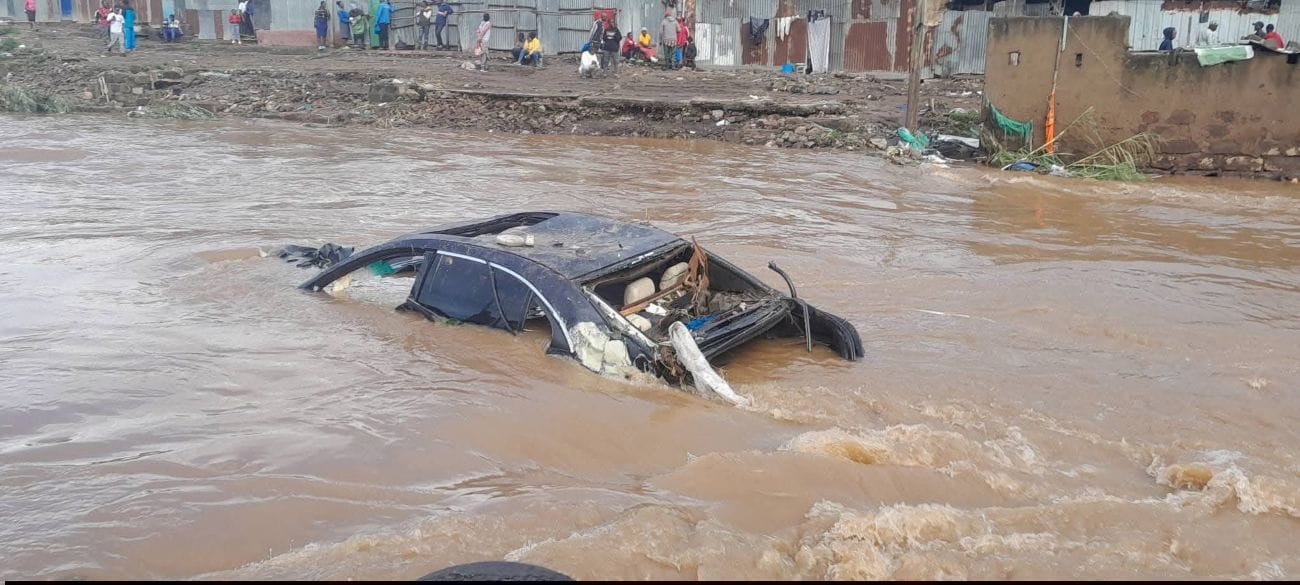
The scene at the Grogan area near Kirinyaga Road looked heartbreaking. Twisted metal wrecks sat half-buried in mud and debris, windows smashed, and doors forced open by divers and Red Cross workers.
Videos shared online showed teams carefully lifting bodies from the cars, some still belted in seats, others flung against dashboards. One mechanic who works nearby told reporters many victims appeared to be homeless folks who ducked into vehicles for shelter when the rain hit hard. They never made it out.
Police put the confirmed deaths at 23 so far, though numbers shifted hour by hour as more reports came in. Nairobi Regional Police Commander George Sedah said earlier that 10 people lost their lives, with 71 vehicles swept away in the chaos.
By afternoon, that figure jumped higher. The Kenya Red Cross pulled out 29 survivors in overnight operations, including 20 from Kirinyaga Road alone. The sudden rise in water, which cut off escape routes, left many people trapped.
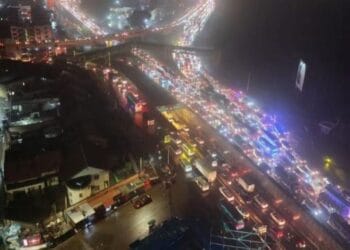
The floods hit hardest in low-lying spots like Grogan, South C, Mukuru, Kibra, Mathare, Pipeline, Githurai, Roysambu, and parts of Westlands. Key roads – Uhuru Highway, Mombasa Road, Ngong Road, and Thika Road – turned into lakes.
Cars floated, overturned, or piled up against barriers. Some drivers abandoned vehicles and waded through chest-deep water to reach safety. Others weren’t so lucky.
This mess ties right back to the heavy rainfall advisory still running from the Kenya Meteorological Department. It warned of rainfall between 40 mm and 100 mm in some areas, peaking through the weekend.
Nairobi found itself in a precarious situation, its soaked soil unable to absorb any more water. Flash floods rapidly accumulate, particularly in areas where garbage clogs drains or urban planning creates gaps.
Streets that flood every year did it again, and even though people were warned, it caught everyone off guard. Emergency workers were busy all night and even today.
The military rolled in to help with rescues, clearing roads, and moving stranded people. Tow trucks hauled damaged cars away, but many stayed half-submerged. Flights faced delays at Jomo Kenyatta International Airport from the weather, and some toll roads waived fees to let folks use elevated routes.
People on the ground told real stories. A family expressed concern about a relative they had last seen driving home from work. Another resident said they heard screams stop when the water came in.
Social media is filled with clips of the recovery – sombre faces, stretchers, and quiet crowds watching on sidewalks. Comments poured in with anger over repeated flooding in the same places, questions about why drains never get cleared properly, and calls for better warnings or infrastructure fixes.
The pain hits deep in a city where many scrape from day to day. Losing a car means losing a livelihood for some. Bodies pulled from vehicles remind everyone how fast a storm can turn deadly.
Authorities urge caution, as more rain could come before the advisory ends Monday evening. Stay off flooded roads, avoid riverbanks, and watch for rising water.
As teams keep searching Kirinyaga Road and other spots, the count may rise. Families congregate at hospitals and mortuaries, either anticipating or preparing for the worst. Nairobi awakens to clean-up, grief, and the ongoing questions about coping with these rains. The water recedes slowly, but the memories stick around longer. Stay safe out there – these floods don’t forgive mistakes.