

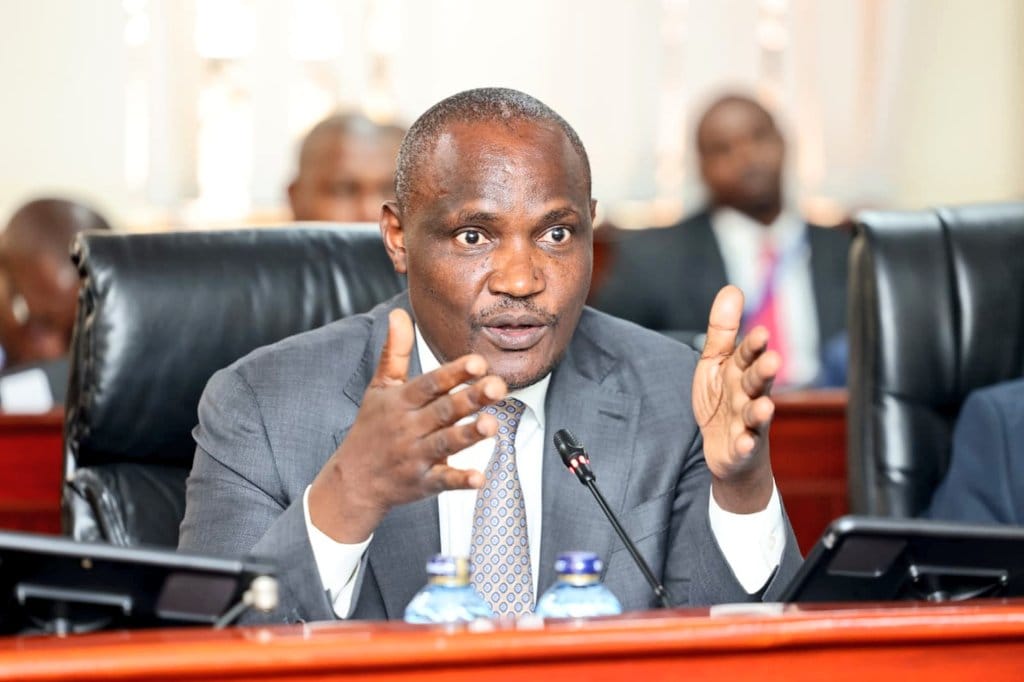
Kenya paused IMF loans through June, and the Treasury just bought the country some serious breathing room without asking for another bailout round. National Treasury Cabinet Secretary John Mbadi confirmed the decision late last week, saying Kenya will not draw back any funds from the current IMF program until at least the end of June.
The pause comes right after three major cash injections land in government coffers, giving Nairobi enough headroom to skip fresh borrowing from the Fund for now.
Mbadi described recent meetings with IMF staff as purely technical discussions focused on economic monitoring rather than new financing requests, which mark a clear shift from earlier years when the government leant heavily on the lender amid tough fiscal times.
The biggest chunk of fresh money arrived from the oversubscribed Kenya Pipeline Company IPO that pulled in Sh106.3 billion when shares hit the market. Investors snapped up the offering far faster than expected, pushing the final amount well above initial targets and delivering a quick win for public finances.
On top of that, the planned sale of a Safaricom stake to Vodacom is expected to bring another Sh244.5 billion into state hands once the deal closes. Add the recent $2.25 billion eurobond issuance that netted Sh237.7 billion after buying back older, more expensive debt, and Kenya suddenly sits on a pile of liquidity that lets it step back from IMF drawdowns for the next few months.
Mbadi made the point plain during a briefing in Nairobi. He said the government had been in regular contact with IMF teams, but those talks stayed focused on reviewing progress under the existing programme, not negotiating fresh cash.
The decision reflects growing confidence inside the administration that domestic resource mobilisation and smart debt management can cover immediate needs without leaning on external lenders.
President William Ruto’s team has faced sharp criticism in the past over austerity measures tied to previous IMF deals, so the ability to pause disbursements feels like a small but noticeable break from that pattern.
Treasury officials insist core spending priorities, including salaries, development projects and debt servicing, remain fully funded even without tapping the IMF line right away.
Reactions from economists and market watchers split in predictable ways. Some welcomed the news as a sign Kenya is finally building real fiscal muscle. The pipeline IPO success showed a strong local appetite for state assets, while the Safaricom stake sale and Eurobond refinancing demonstrated Nairobi can still access international capital on decent terms.
Analysts noted that pausing IMF funds does not mean walking away from the programme entirely, just hitting the brakes on new tranches for a quarter.
That move keeps the relationship intact, which matters because IMF programmes still carry weight with global investors even when the actual cash draw is small. A continued staff-level agreement signals credibility and helps keep borrowing costs from spiking.
On the flip side, others cautioned that breathing room today could turn into higher costs tomorrow. The Eurobond repurchase lowered interest expenses on older debt, but the new issuance still carries a coupon that eats into future budgets.
Selling strategic stakes like part of Safaricom brings one-time windfalls yet reduces long-term dividend flows to the Treasury. Critics pointed out that big asset sales can look good on paper but only deliver lasting benefit if the money goes toward productive investments rather than plugging short-term holes.
Several economists reminded us that Kenya still faces structural pressures, including a heavy debt load, wage bills and the need for steady revenue growth, so the pause should not breed complacency.
Ordinary Kenyans watching from the sidelines mostly care about what it means for daily life. Lower pressure to borrow from the IMF could ease the push for more taxes or spending cuts that hit households hardest. At the same time, many remain sceptical after years of hearing about big financial wins that never quite trickled down.
The pipeline IPO money, for instance, drew praise, but people want to see it translate into better roads, cheaper fuel or more jobs rather than disappearing into general expenditure. The Safaricom stake sale sparked similar talk, with some worrying about foreign control over a national asset while others simply hoped the cash would help stabilise prices and keep inflation in check.
For now Treasury sounds upbeat. Mbadi emphasised that the combination of domestic IPO proceeds, strategic divestitures and prudent Eurobond management gives Kenya flexibility that was missing in previous years.
The IMF itself has not issued any public pushback, and sources close to the talks say Washington understands the logic behind the temporary pause. The program remains active, with reviews continuing, so the relationship stays on solid ground even if no new money flows in the next quarter.
The pause through June buys time for the government to show results from these inflows. If spending stays disciplined and revenue keeps climbing, the breathing space could stretch longer. If not, the IMF line will still sit there waiting when talks resume later in the year.
In any case, Kenya has successfully taken a rare step back from the lender without immediately alarming the markets. Investors seem to like the signal, with bond yields holding steady and local stocks ticking up slightly on the news.
Kenya pauses IMF loans through June after big cash wins, and the decision gives the Treasury a window to prove it can manage without constant external support. Whether that window stays open or closes quickly depends on how wisely the new funds get spent and how fast domestic revenue keeps growing.
For millions of Kenyans who feel every price hike and tax notice, the real test will be whether these financial manoeuvres eventually make life a little easier at home rather than just looking good on paper in Nairobi boardrooms. The coming months will tell the tale, and everyone is watching closely.