
Mombasa Cement Vipingo Power Plant to use Biomass
 Charo Rama — October 14, 2025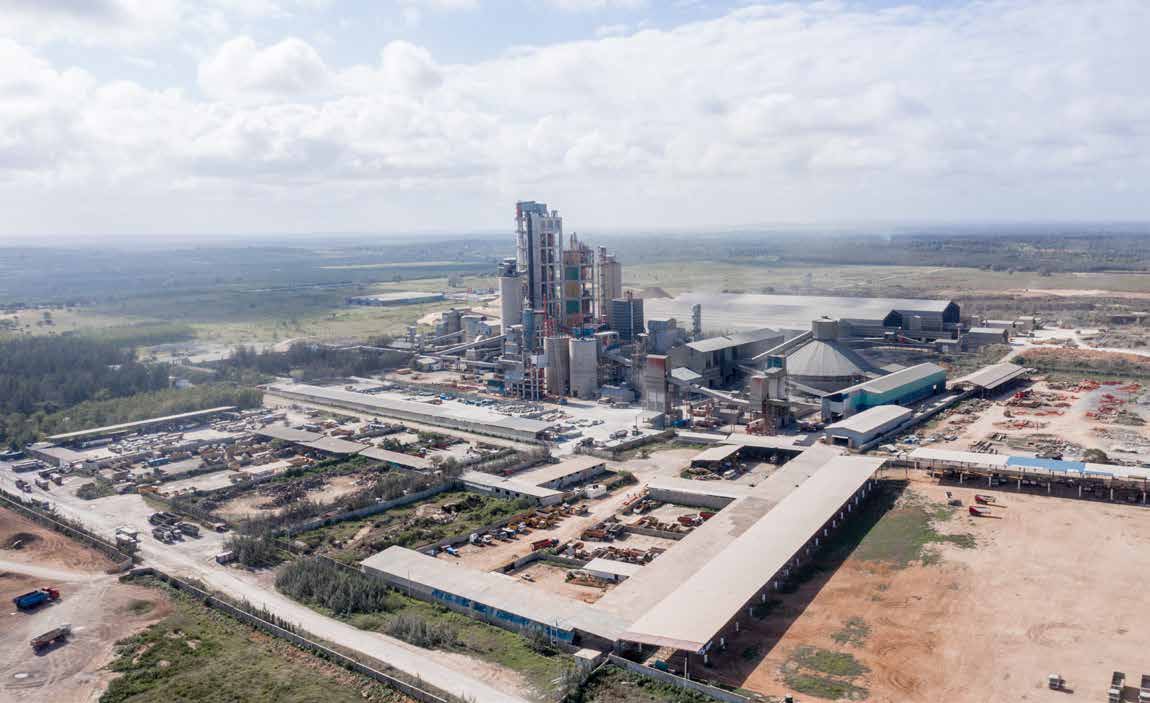
The Mombasa Cement Vipingo power plant initiative is gearing up to reshape the coastal manufacturer’s energy footprint, with plans for an Sh849 million, 10-megawatt facility at its sprawling Kilifi County site aimed at slashing grid dependency and firing up production efficiency amid Kenya’s volatile power landscape.
The project, blending coal with eco-friendly biomass like cashew shells and wood chips, promises a steady hum for the factory’s kilns, but it’s already stirring whispers about balancing industrial muscle with the green push that’s defined the sector lately.
Mombasa Cement Limited, a cornerstone of East Africa’s construction boom under the Bamburi Cement umbrella, unveiled the details in a fresh regulatory filing that paints this as a smart pivot from earlier blueprints.
Clocking in at exactly Sh849,652,133, the captive setup will harness circulating fluidised bed combustion tech, a nifty method that burns solid fuels like bituminous coal alongside agricultural leftovers such as nut shells and briquettes under tight controls for cleaner output.
“We’re locking in reliable power to keep our lines running without the blackouts that eat into margins,” a company spokesperson told reporters on the sidelines of a Kilifi business forum, nodding to Kenya Power’s frequent hiccups that have jacked up costs by 20% in the last year alone.
This isn’t Mombasa Cement’s first rodeo with self-sufficiency. Just weeks ago, they flipped the switch on a 10 MW solar array at the same Vipingo complex, courtesy of Equator Energy, a sun-soaked beast that’s already feeding excess juice back to the national grid and slashing daytime bills.
Layering on the biomass-coal hybrid feels like a pragmatic one-two punch: solar for the renewables cred and thermal for the baseload grunt needed round-the-clock in cement grinding.
The Vipingo site, churning out 1.5 million tonnes annually and employing over 500 locals, has long battled grid unreliability; think sudden dips that cool kilns mid-cycle, wasting thousands in fuel restarts.
Analysts peg the new plant’s payback at under five years, potentially trimming energy expenses by 30% and freeing up cash for expansions amid a housing surge fuelled by the Affordable Housing Levy.
Environmental watchdogs are keeping a keen eye, though. While the biomass angle, sourcing from nearby cashew farms, softens the carbon footprint compared to straight coal, groups like the Kenya Organic Agriculture Network are pushing for stricter emissions caps under the upcoming Climate Change Act amendments.
“It’s progress, but coal’s no hero in our net-zero race; pair it with carbon capture or risk backlash,” warned eco-consultant Amina Hassan in a recent op-ed. Mombasa Cement insists the tech minimises pollutants, with scrubbers and ash recycling baked in, and they’ve looped in NEMA for approvals that could greenlight shovels by Q1 2026.
For Kilifi’s coastal economy, where cement dust mingles with ocean breezes, the Mombasa Cement Vipingo power plant spells jobs – dozens in construction, more in biomass supply chains that could revive slumping nut processors. It’s a microcosm of Kenya’s industrial hustle: Ruto’s Bottom-Up Agenda meets green industrialism, turning Vipingo’s dunes into a power hub.
As tenders drop soon, locals like fisherman-turned-labourer Juma Karisa eye the horizon. “From nets to nuts, if it powers homes too, that’s the real win,” he muses over chai at a roadside kiosk. With Kenya’s grid creaking under 5.6% GDP growth strains, this plant isn’t just pipes and boilers; it’s a blueprint for factories ditching the wait for state sparks.
Related Posts

Paul Mburu Muthumbi, Mbukinya Founder, Dies, Leaving Legacy
Paul Mburu Muthumbi built Mbukinya into one of the longest-running public service vehicle companies through sheer grit before he passed away recently. The Limuru entrepreneur…

Businesswoman Demands Justice After Mitumba Military Bale Scam
A woman paid Ksh 48,000 for a bale of mitumba, just a standard bale of second-hand clothes, yet sellers delivered military uniforms from overseas instead.…

Lumumba Vea Signs Rexona Deal at 2026 World Cup
Congolese superfan Lumumba Vea signs Rexona deals with the 2026 World Cup in Mexico after his motionless tribute pose captured global attention. The passionate supporter…

Doky Dorcas Sets New Guinness Record for Fastest Chapatis
Doky Dorcas claimed the title for the fastest chapatis when she whipped up three fresh ones in record time at Ongata Rongai on December 15,…