
US and Israel Strike Wipes Out Iran Leader Selection Council

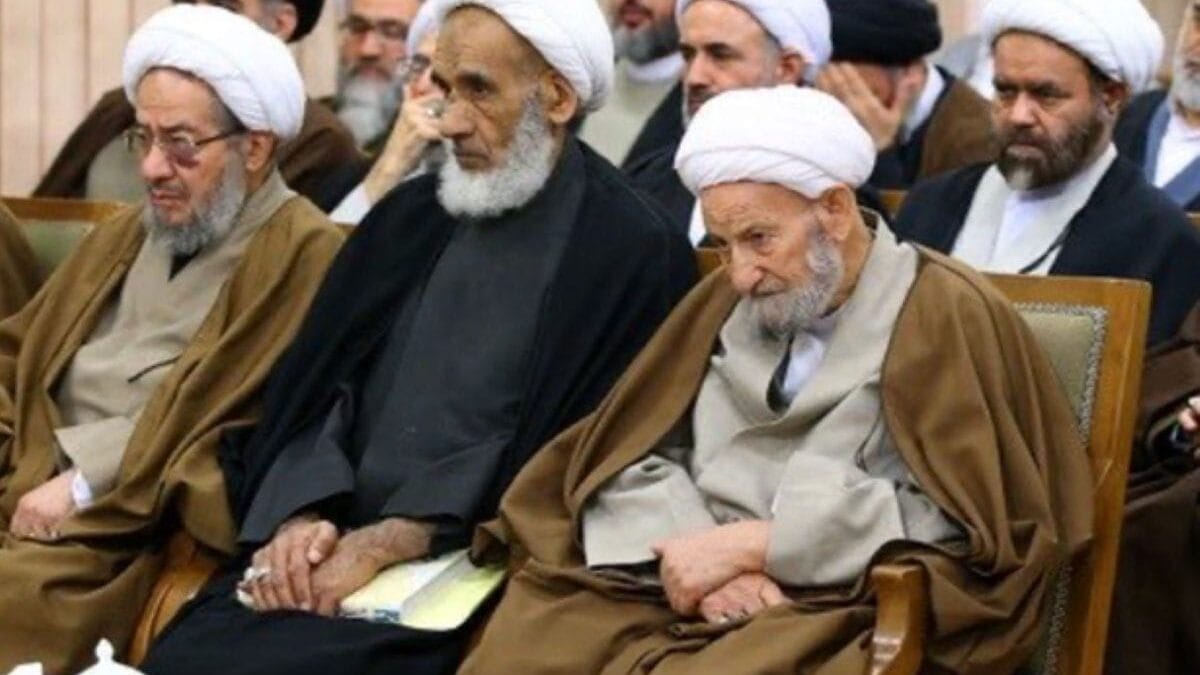
A United States and Israeli coordinated strike wipes out the Iran leader selection council after jets hit a building in Qom where most members of the 88-seat Assembly of Experts sat, voting to pick the next supreme leader following the death of Ayatollah Ali Khamenei.
The attack came Tuesday afternoon while the clerics gathered inside what looked like an ordinary hall but held huge importance for Iran’s future. Reports from both sides say the bombs caught them right in the middle of counting votes.
No one walked out alive according to Israeli accounts, and Iranian state media stayed mostly quiet at first, only calling it a brutal assault on a religious site. You can imagine the shock inside that room; one minute they debate who takes over the top job, and the next the walls come down.
This body carries the weight of choosing or even removing the supreme leader under Iran’s constitution. With Khamenei gone last weekend, the country needed them to move fast and name someone steady.
Now that process sits in pieces. The temporary council of the president, the chief justice and one senior cleric had stepped in to keep things running, but everyone expected the assembly to wrap it up soon. Without them, the path forward gets messy real quick.
Think about how the system works. The people of Iran elect these 88 experts every eight years. They must pass strict checks from the Guardian Council before they can even run.
That Guardian Council gets picked by the supreme leader himself. So if the Assembly is gone and the Guardian Council faces trouble too, then filling any empty seats means elections that cannot happen the normal way.
No proper candidates, no vote, no new leader. It leaves the Islamic Republic without a clear way to hand over power peacefully, as the rules say.
Iranian officials called the strike a desperate act meant to break the country from within. They promised quick retaliation and said the revolution would survive. On the streets some people marched in anger waving flags and pictures of past leaders.
Others shared quiet hopes online that the chaos might finally open doors for something different after years of the same tight control. Families of the missing clerics waited outside hospitals and rubble sites for any news while rescue teams dug through the debris.
The timing felt deliberate to many watching from afar. Israel had already taken out Khamenei and other top figures in weekend raids. This follow-up move aimed straight at the heart of succession to stop Iran from regrouping fast.
Sources close to the operation said the goal was simple: leave the system without its backup plan so the whole setup struggles to stand. For a nation built on religious authority, losing the very group that picks the top man hits harder than any single death.
Oil markets jumped again as traders worried about more trouble in the Gulf. Ships slowed near the Strait of Hormuz just in case. World leaders urged calm, but few expect words alone to stop the cycle.
In Washington officials backed Israel’s need to protect itself while quietly noting the risks of a power vacuum. Europe called for talks, but the missiles keep flying and the nights stay loud in Tehran and beyond.
Inside Iran, daily life feels heavier than ever. Schools closed in some areas, shops pulled down shutters early, and families stocked up on basics. Young people scroll through videos of the smoke in Qom wondering what tomorrow brings.
Older ones remember past wars and shake their heads at how fast things escalated. The Revolutionary Guards put out strong statements vowing to defend the system at all costs, yet the question hangs: who leads that defence now?
No full list of names came out yet, leaving room for confusion and rumours. Some posts claimed a handful survived; others said the entire group went down.
Iranian television showed images of damaged walls and emergency crews but avoided tallies. Israeli channels celebrated it as a blow against the regime that funds attacks on them. Either way, the constitutional hole looks deep and hard to fix quickly.
Experts who follow these matters point out the assembly rarely grabs headlines until moments like this. Their job stays behind closed doors, picking from a small pool of qualified clerics.
Now that door stays shut, and no easy key exists. Elections for replacements would take months even in normal times, and these times feel anything but normal.
As night fell over Qom, the search continued under floodlights. Mourners gathered nearby, some in tears, others in quiet prayer. The bigger picture for Iran stays unclear.
Without a smooth way to name a new supreme leader, the country could face splits inside its own ranks or longer uncertainty that invites more outside pressure. For now the focus stays on the immediate loss and the scramble to hold things together.
This strike adds one more heavy layer to a conflict that started fast and shows no sign of slowing. Ordinary Iranians pay the price every day while leaders on all sides plan their next steps. The coming weeks will reveal if the system finds a way around the rules or if the gaps grow wider until something gives.
Related Posts
President Museveni Calls Sex Denial In Marriage Jailable Offense
Uganda President Yoweri Museveni stirred fresh controversy when he declared denying your partner sex a big offence that could land people in jail. The veteran…

Uri Geller Cancels Witch Doctor Nana Kwaku Curse on Harry Kane
Uri Geller stepped in to cancel the witch doctor’s curse on Harry Kane right before England faced Ghana in the World Cup. The Israeli-British illusionist…

Didier Deschamps Mourns Mother’s Death Ahead of Norway Game
France national team coach Didier Deschamps faces sudden heartbreak as news of his mother’s death spreads through the football world. The long-time leader will fly…
JD Vance Delivers Blunt Warning to Netanyahu Government
Vice President JD Vance issued a fierce warning to Benjamin Netanyahu’s cabinet on Thursday against undermining their crucial American partnership over President Donald Trump’s new…