
CS Geoffrey Ruku: We Will Divide Mt Kenya into West and East

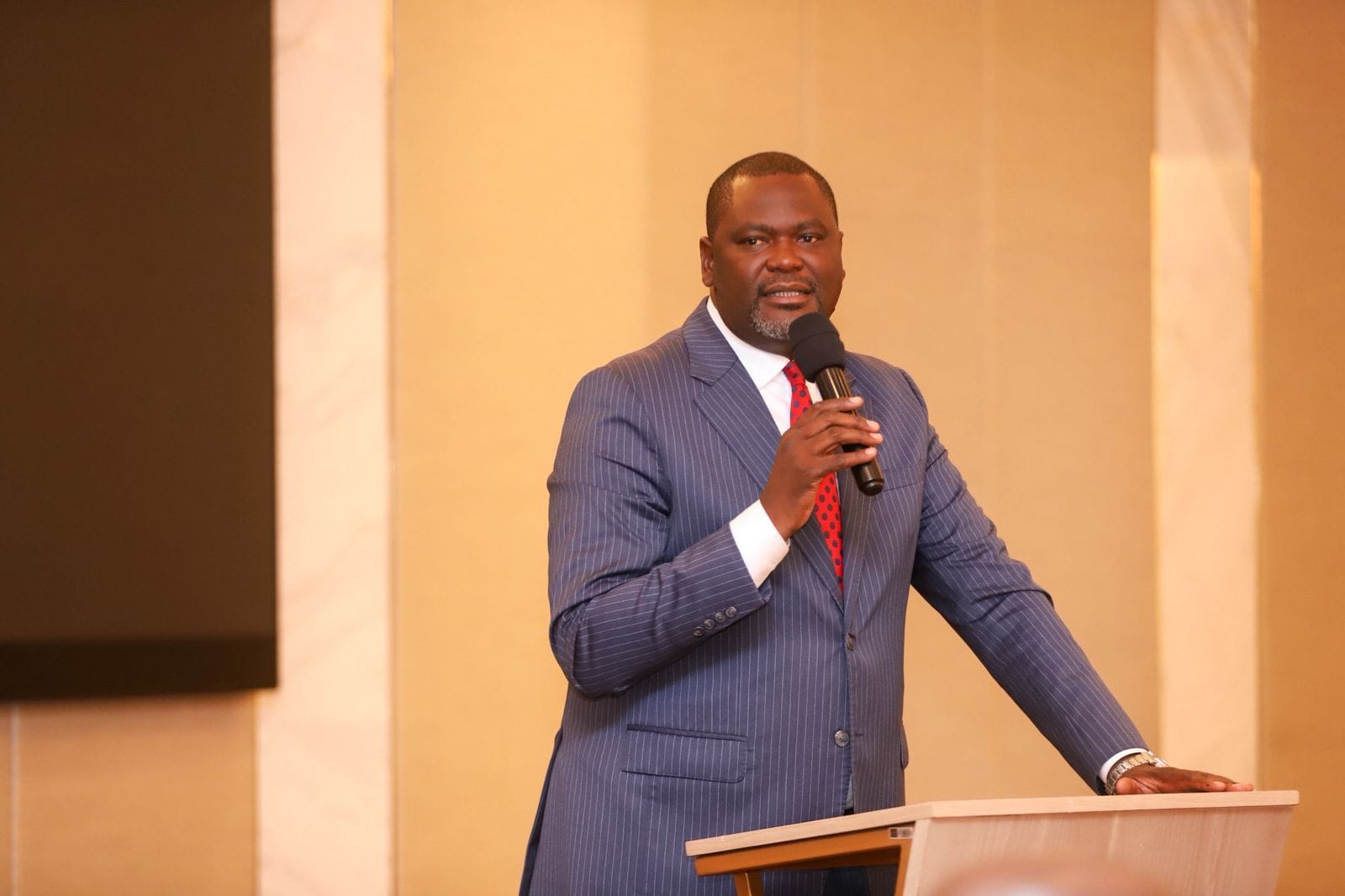
CS Geoffrey Ruku’s Mt Kenya East-West split proposal has stirred intense political discussions after the Public Service Cabinet Secretary vowed to push for the division of the vote-rich region into distinct eastern and western blocs to secure stronger government alignment ahead of the 2027 elections.
Speaking at a public event in Embu County last week, Ruku declared his commitment to ensuring Mt Kenya operates as Mt Kenya East and Mt Kenya West, arguing that unity under former Deputy President Rigathi Gachagua risks isolating loyalists from national development opportunities.
He emphasised that counties like Meru, Embu, Tharaka Nithi, and parts of Kirinyaga must consolidate to deliver substantial votes for President William Ruto while maintaining direct access to state resources.
The proposal echoes longstanding sentiments among leaders from the eastern side, who have long complained of marginalisation within the broader Mt Kenya political framework dominated by central counties such as Kiambu, Nyeri, Murang’a, Nyandarua, and Kirinyaga.
Ruku’s remarks come amid efforts by Kenya Kwanza allies to counter Gachagua’s growing influence through his Democracy for Citizens Party and opposition coalitions.
Analysts say the push reflects strategic repositioning, with Ruku highlighting recent by-election victories and development projects as proof that separation could yield better outcomes.
He pointed to stalled infrastructure like dams and roads in semi-arid areas of Embu and Tharaka Nithi, claiming bundled regional funding often favours western counties perceived as more vocal.
Deputy President Kithure Kindiki, hailing from Tharaka Nithi, has emerged as the preferred kingpin for the eastern bloc, with multiple gatherings endorsing him as the primary link to the executive.
Governors from Meru and Embu have echoed calls for focused investments, including rural electrification, market upgrades, and irrigation schemes to boost agriculture in tea, coffee, and miraa zones.
Opponents, including figures aligned with Gachagua, warn that fracturing the region weakens its bargaining power nationally. They argue Mt Kenya’s historical bloc voting delivered massive margins in past elections, and splitting could dilute influence on key appointments and budget allocations.
Community elders in cross-county forums have urged dialogue to preserve cultural ties among Ameru, Aembu, and related groups sharing linguistic and traditional bonds.
Business communities in Meru town and Embu markets watch closely, noting that political stability drives trade in crops like avocados and macadamia. Traders say clear regional advocacy could accelerate completion of roads linking to northern corridors and Ethiopian markets.
As 2027 approaches, Ruku’s outspoken stance positions him as a key mobiliser for the eastern flank, potentially reshaping alliances in a region with over four million voters.
President Ruto’s frequent tours distributing title deeds and launching water projects signal efforts to solidify support, but underlying tensions suggest deeper realignments.
The evolving narrative underscores Kenya’s dynamic tribal and regional politics, where loyalty shifts impact national equations. Whether Ruku’s vision materialises into formal blocs or remains rhetorical firepower, it highlights ongoing quests for equitable representation in a diverse nation. For residents in these hilly and fertile lands, the priority remains tangible progress amid promises that have echoed for decades.
Related Posts

Ruto: Sifuna ni fala anataka tusimamishe mradi wa Affordable Housing
President William Ruto stood before crowds in Eldoret, Uasin Gishu County, on Thursday, August 13, 2026, and branded Nairobi Senator Edwin Sifuna a fool for…

CO-OP BANK REPORTS A STRONG 17.3 PERCENT GROWTH IN PROFIT TO KSH…
Co-op Bank has posted a strong profit before tax of KSh 23.1 billion for the half year ended 30 June 2026, compared to KSh 19.7…
Ruto Demands Mandatory New Constitution for Vision 2060 Reforms
Kenyan President William Ruto told a national audience this week that the 2010 Constitution forces leaders to seek the people’s approval on major changes rather…
After Claims 2024 Gen Z Were From Illuminati, MP Kagombe Quits UDA
Gatundu South lawmaker Gabriel Kagombe walks away from the United Democratic Alliance this week as he eyes a fresh vehicle in Kenya’s mountain region. The…