
Samia Suluhu Eyes ICC Exit Amid Prosecution Push
 Adhis Okena — December 1, 2025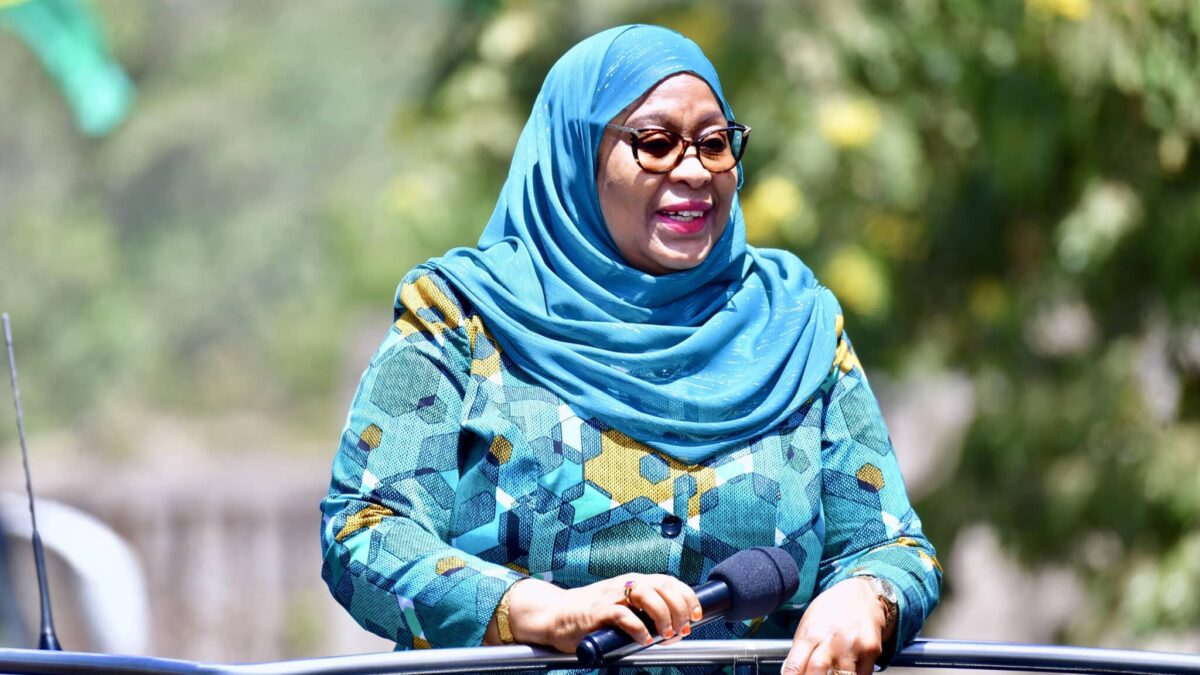
Dar es Salaam, December 1, 2025 – President Samia Suluhu Hassan has issued a fiery warning about potentially withdrawing Tanzania from the International Criminal Court amid what she describes as a vicious foreign campaign to prosecute her over recent election unrest. The head of state accused neighbouring countries and Western powers of orchestrating protests and economic sabotage to halt Tanzania’s rapid growth.
In a televised address from State House late Sunday, President Suluhu detailed how external actors allegedly fuelled the violent demonstrations that erupted on October 29 during the general elections. “I told these creatures from neighbouring countries and other foreign nations that their joy is to see Tanzania fall because we were on a pace to surpass them economically,” she declared. The remarks come just days after European Parliament members voted to block 156 million euros in aid and mull sanctions against her administration for alleged human rights violations during the polls.
The Samia Suluhu ICC withdrawal threat escalates tensions following calls from rights groups and opposition exiles for the court in The Hague to investigate claims of excessive force against protesters.
At least 45 people died in clashes across Dar es Salaam, Arusha, and Mwanza, with Amnesty International reporting over 1,000 arrests and widespread internet shutdowns. Chadema party leaders, now in exile, have petitioned the ICC directly, citing “state-sponsored killings” as grounds for a formal probe.
President Suluhu’s government has dismissed the accusations as fabricated by rivals jealous of Tanzania’s 7.2 per cent GDP growth last year, driven by gas exports and infrastructure booms. Prime Minister Dr Mwigulu Nchemba confirmed on Monday that donor hesitations have already forced a pivot to self-financing mega-projects like the Bagamoyo Port expansion, previously backed by Chinese loans now under review. “We built our economy without begging. These disruptions only make us stronger,” Nchemba told reporters.
Analysts say the Samia Suluhu ICC withdrawal threat echoes moves by African nations like Burundi and the Philippines, which quit the court over perceived bias against the continent. “Tanzania joined the ICC in 2002 as a symbol of commitment to justice. Leaving now would isolate us diplomatically but rally pan-African support,” said University of Dar es Salaam political scientist Dr Aisha Mwinyi.
Opposition voices inside Tanzania reacted with alarm. Former Foreign Minister Bernard Membe, under house arrest since the polls, called the speech “defiant paranoia” that risks further aid cuts from the World Bank and IMF.
Youth activists in Zanzibar staged small vigils Monday, chanting for accountability without foreign interference. Meanwhile, regional bodies like the East African Community have urged dialogue, with Kenyan President William Ruto offering to mediate in a congratulatory call last week.
The European Parliament’s resolution, passed last Thursday, specifically names President Suluhu for “orchestrating electoral fraud” after she secured 98 per cent of the vote in results decried as implausible. It also demands probes into military deployments that quelled protests but drew tear gas and live ammunition allegations. Tanzania’s UN ambassador rebutted the claims in New York, insisting all deaths were from “criminal opportunists” exploiting the chaos.
Economically, the fallout bites hard. Tourism bookings for Serengeti safaris dipped 25 per cent post-protests, per the Tanzania Tourist Board, while coffee exports face new EU scrutiny over labour rights. President Suluhu vowed in her address to accelerate domestic revenue through mining royalties, hinting at partnerships with Russia and Turkey to fill Western voids.
As the dust settles from the October violence, the Samia Suluhu ICC withdrawal threat hangs over a nation still healing. Churches and mosques held joint prayers for unity on Sunday, while markets in Kariakoo buzzed with debates on sovereignty versus global ties. For now, the government has formed a task force to review ICC membership, with a decision expected by March 2026.
President Suluhu’s bold stance has galvanised supporters who see it as defending hard-won independence, but critics warn it could deepen isolation at a time when climate funds for flooding-hit regions are crucial. With protests simmering underground via VPNs, Tanzania stands at a crossroads: cling to international norms or chart a fiercely independent path, even if it means walking away from The Hague. The world watches closely as this East African powerhouse asserts its voice amid accusations and applause.
Related Posts
President Museveni Calls Sex Denial In Marriage Jailable Offense
Uganda President Yoweri Museveni stirred fresh controversy when he declared denying your partner sex a big offence that could land people in jail. The veteran…

Uri Geller Cancels Witch Doctor Nana Kwaku Curse on Harry Kane
Uri Geller stepped in to cancel the witch doctor’s curse on Harry Kane right before England faced Ghana in the World Cup. The Israeli-British illusionist…

Didier Deschamps Mourns Mother’s Death Ahead of Norway Game
France national team coach Didier Deschamps faces sudden heartbreak as news of his mother’s death spreads through the football world. The long-time leader will fly…
JD Vance Delivers Blunt Warning to Netanyahu Government
Vice President JD Vance issued a fierce warning to Benjamin Netanyahu’s cabinet on Thursday against undermining their crucial American partnership over President Donald Trump’s new…