
Tajikistan Turns Mosques into Dance Halls to Combat Radicalisation

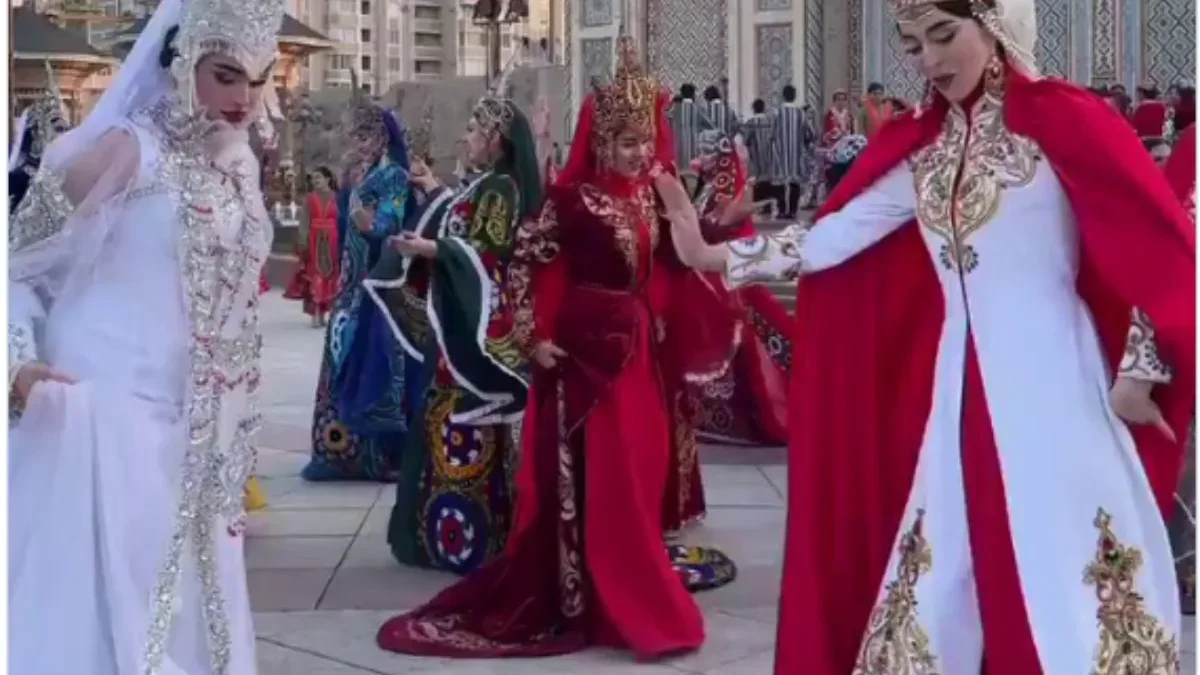
Tajikistan turns mosques into dance halls to combat radicalisation as part of an aggressive secular push in the predominantly Muslim Central Asian nation. Authorities have repurposed dozens of unregistered prayer sites into community venues, cultural centres, and entertainment spaces amid ongoing efforts to curb perceived extremist influences. Tajikistan, a 97% Muslim-majority nation in Central Asia that had already banned burqas and hijabs, is now turning mosques into dance halls to fight radicalisation.
President Emomali Rahmon’s administration, which has ruled since the 1990s, intensified controls over religious expression recently, closing thousands of mosques deemed unauthorized and converting many into secular facilities like tea houses, medical clinics, and social halls.
Reports circulating on social media and international outlets highlight instances where former prayer rooms now host music events, dance classes, and youth gatherings, framing the changes as a deliberate strategy to promote national culture over foreign-influenced Islam.
The moves build on earlier restrictions, including a 2024 law banning hijabs and burqas in public as “alien” garments incompatible with Tajik traditions. Officials argue these steps prevent the spread of radical ideologies, particularly Salafism, which they link to potential security threats in neighbouring Afghanistan. By transforming mosque buildings, the government aims to redirect community activities toward state-approved cultural programmes that emphasise folk dances, poetry readings, and modern education.
Tajikistan, a 97% Muslim-majority nation in Central Asia that had already banned burqas and hijabs, is now turning mosques into dance halls to fight radicalization.
— Dr. Maalouf (@realMaalouf) December 12, 2025
Do you like this idea? pic.twitter.com/299CaLAjLY
Human rights observers criticise the policy as a serious infringement on religious freedom. Groups like Forum 18 document how over 2,000 mosques have faced closure or repurposing since 2017, with some locals quietly protesting the loss of worship spaces in rural areas.
In urban centres like Dushanbe, converted sites reportedly feature lively evenings with traditional Tajik music and ballroom dancing workshops, drawing mixed crowds of youth eager for social outlets in a country where public entertainment options remain limited.
Religious leaders operating within state guidelines express cautious support, noting that large central mosques remain open for Friday prayers under strict oversight. The Council of Ulema, a government-backed body, issues weekly sermon topics that align with national unity themes, avoiding discussions of global Islamic issues. Smaller neighbourhoods’ mosques, often built informally after independence, bore the brunt of the crackdown, with authorities citing building code violations or a lack of registration as justification.
Families in affected regions adapt unevenly. In the northern Sughd province, one former mosque now serves as a community dance studio offering free classes in European waltz and local lezginka styles, attracting teenagers who might otherwise gather informally. Parents interviewed anonymously say the venues provide safe spaces but lament the erosion of spiritual community hubs.
International reactions vary. The United States has repeatedly listed Tajikistan as a country of particular concern for religious freedom violations, while some analysts view the secularisation drive as a bulwark against spillover extremism in Taliban-ruled Afghanistan. Domestically, the policy enjoys backing from urban elites who prioritise modernisation, though whispers of discontent grow in conservative valleys.
Tajikistan balances its Islamic heritage with authoritarian control; the repurposing of religious buildings into lively secular spaces symbolises a broader cultural shift. Whether this fosters genuine moderation or drives faith underground remains a point of heated debate among citizens navigating daily life in one of Central Asia’s most tightly controlled societies.
The government’s approach extends to other areas, such as banning children from mosques and regulating beard lengths for men, all under the banner of preserving traditional Tajik identity free from Arab or Pakistani influences. With new cultural centres opening regularly, authorities plan further investments in arts programmes to fill the void left by shuttered prayer sites.
For many Tajiks, the sight of former minarets overlooking dance floors encapsulates the Rahmon era’s complex legacy: a nation proudly Muslim in demographics yet fiercely secular in practice, where fighting radicalisation sometimes means redefining sacred spaces entirely.
Related Posts
President Museveni Calls Sex Denial In Marriage Jailable Offense
Uganda President Yoweri Museveni stirred fresh controversy when he declared denying your partner sex a big offence that could land people in jail. The veteran…

Uri Geller Cancels Witch Doctor Nana Kwaku Curse on Harry Kane
Uri Geller stepped in to cancel the witch doctor’s curse on Harry Kane right before England faced Ghana in the World Cup. The Israeli-British illusionist…

Didier Deschamps Mourns Mother’s Death Ahead of Norway Game
France national team coach Didier Deschamps faces sudden heartbreak as news of his mother’s death spreads through the football world. The long-time leader will fly…
JD Vance Delivers Blunt Warning to Netanyahu Government
Vice President JD Vance issued a fierce warning to Benjamin Netanyahu’s cabinet on Thursday against undermining their crucial American partnership over President Donald Trump’s new…