
Trump Declares Biden Autopen Documents Null and Void

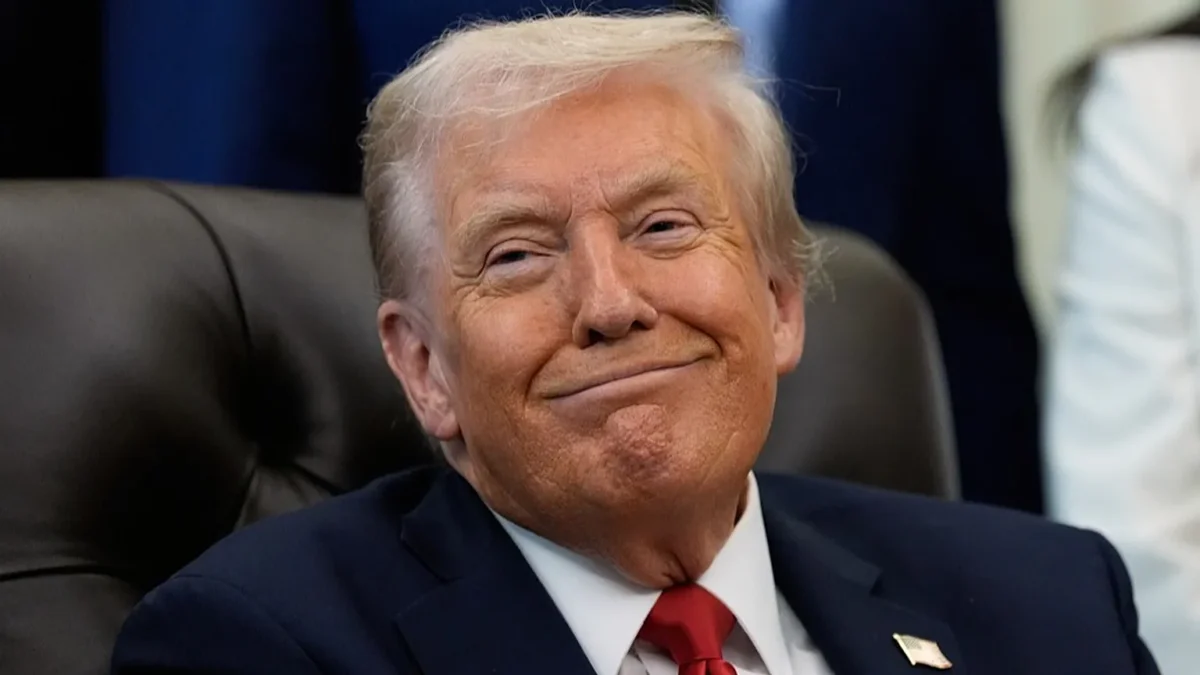
In a bold move that has sent shockwaves through the halls of power in Washington, President Donald Trump declared that any documents signed by the autopen during the Biden administration are null and void. This sweeping announcement, posted on his Truth Social platform late Tuesday evening, instructs all recipients of such documents to consider them fully terminated, igniting fierce debate over presidential authority, legal precedents, and the integrity of executive actions from the prior term.
The statement from Trump comes amid ongoing scrutiny of how the administration of former President Joe Biden handled official signings, particularly as questions linger about cognitive fitness and delegation of duties in the White House.
“Any and all documents, proclamations, executive orders, memorandums, or contracts, signed by order of the now infamous and unauthorized AUTOPEN, within the administration of Joseph R. Biden Jr, are hereby null, void, and of no further force or effect,” Trump wrote in the post that quickly amassed millions of views and shares across social media.
He went further, addressing those who received pardons or commutations under these circumstances: “Anyone receiving pardons, commutations, or any other legal document so signed, please be advised that said document has been fully and completely terminated and is of no legal effect. Thank you for your attention to this matter!”
This is not the first time Trump has targeted the use of the autopen, a mechanical device that replicates a signature for efficiency in signing legislation, pardons, and other official papers. Back on November 28, he first raised the issue, claiming that a staggering 92 percent of Biden’s signatures were handled this way without proper presidential approval.
Trump asserted that the Autopen requires specific presidential approval, accusing Biden’s inner circle of effectively stripping him of control over the Oval Office. He labelled the aides as “radical left lunatics” who operated the device illegally, vowing to cancel all executive orders not personally inked by Biden himself. If Biden were to claim involvement, Trump warned, it could lead to perjury charges.
The autopen itself is no stranger to American presidencies; it has been a staple tool since the Eisenhower era, allowing leaders to manage the sheer volume of paperwork without halting government functions. A 2005 memo from the Justice Department under President George W. Bush affirmed its legality for signing bills into law, as long as the president authorises its use.
Even Trump employed it during his first term for routine matters. Yet, the controversy here stems from allegations of misuse tied to Biden’s documented moments of confusion, such as gaffes in public speeches and pauses during high-stakes meetings. Critics, including House Oversight Committee Chair James Comer, have launched probes into whether staffers bypassed Biden’s awareness, especially for sensitive actions like the preemptive pardons issued in his final days.
Those pardons shielded family members like son Hunter Biden and niece Ashley Biden, as well as political allies such as Dr Anthony Fauci and retired General Mark Milley, from potential investigations by the incoming Trump administration.
Trump’s latest declaration doubles down on these claims, framing the autopen as an “infamous and unauthorized” instrument that undermined democratic processes. Supporters hailed it as a necessary reset, with conservative commentators on platforms like Fox News praising it as a stand against what they call the “deep state” encroachments during Biden’s tenure.
“This is Trump draining the swamp all over again,” said one GOP strategist speaking off the record, pointing to the potential unravelling of Biden-era policies on immigration, climate regulations, and COVID-19 mandates that were enacted via executive orders.
For instance, the revocation could theoretically reopen billions in federal contracts awarded to green energy firms or reverse student loan forgiveness extensions, though experts caution that implementation would require congressional buy-in or court challenges.
Legal scholars, however, are sounding alarms about the practicality and constitutionality of Trump’s order. “Presidents can revoke their own executive actions, but retroactively nullifying a predecessor’s validly authorised signatures sets a dangerous precedent,” explained constitutional law professor Elena Ramirez from Georgetown University.
She noted that while Trump can direct his administration to disregard certain Biden policies, outright voiding pardons, which are explicitly irrevocable under Article II of the Constitution, would almost certainly face Supreme Court scrutiny.
Historical cases, like those involving President Obama’s use of similar tools, have upheld autopen signatures as binding when presidential intent is clear. No concrete evidence has surfaced proving Biden was unaware of the documents in question, despite Republican-led investigations wrapping up with whispers rather than smoking guns.
On Capitol Hill, reactions split sharply along party lines. Republicans, fresh off midterm gains that bolstered their House majority, are pushing for hearings to validate Trump’s claims. Comer, in a statement released Wednesday morning, applauded the move: “I applaud President Trump for deeming President Biden’s autopen actions NULL AND VOID. This validates our oversight work exposing the puppet strings in the Biden White House.”
Democrats, meanwhile, decried it as authoritarian overreach. Senate Minority Leader Chuck Schumer called it “a revenge fantasy dressed as policy,” warning that it erodes the stability of executive transitions. In a rare post-retirement tweet, former House Speaker Nancy Pelosi urged the courts to intervene swiftly, labelling the declaration “an assault on the rule of law.”
Beyond the Beltway, the announcement has ripple effects in statehouses and courtrooms nationwide. Prosecutors in Delaware and California, where Hunter Biden faces lingering tax and gun charges, are now fielding questions about whether federal pardons still shield him.
Advocacy groups for vaccine sceptics are mobilising, arguing that Fauci’s immunity from civil suits could crumble and potentially expose him to lawsuits over pandemic policies. Environmental organisations, fearing the loss of Biden’s climate executive orders, are preparing emergency filings to lock in protections for national monuments and emission standards.
Even international partners are watching closely; European diplomats have expressed concern that voided trade memoranda could disrupt ongoing deals on technology sharing and defence pacts.
As the situation unfolds, this episode highlights underlying rifts in American governance. Trump’s aggressive stance reflects his campaign promises to dismantle what he views as a corrupted legacy from his 2020 election loss.
Yet, it also highlights vulnerabilities in how modern presidencies delegate authority amid 24/7 demands. Historians draw parallels to Andrew Johnson’s post-Civil War clashes with Congress over Lincoln’s unfinished business, suggesting that without bipartisan compromise, Trump’s nullification drive could bog down in litigation for years.
White House Press Secretary Karoline Leavitt addressed the frenzy during Wednesday’s briefing, framing the action as “restorative justice for the American people.”
She emphasised that the administration would prioritise reviewing high-impact documents, like those tied to border security and economic sanctions, while leaving routine contracts intact unless flagged. “President Trump is ensuring that only legitimate, president-approved actions stand,” Leavitt said, dodging questions on timelines for full audits.
Public opinion polls, conducted overnight by Quinnipiac, show a polarising response: 54 percent of Republicans back the declaration, viewing it as accountability, while 72 percent of Democrats see it as petty retribution.
Looking ahead, the coming weeks promise courtroom drama and legislative manoeuvres. The Supreme Court is set to hear related challenges in January, and Trump’s team is reportedly consulting with Attorney General Pam Bondi to build a robust defence. Meanwhile, Biden, vacationing in Delaware, has remained silent, though sources close to him describe him as “furious but unsurprised” at the escalation.
This saga, blending technology, tradition, and tribalism, serves as a poignant example of the presidency’s awesome, often awkward power. As Trump reshapes the executive branch in his image, the nation braces for what nullified documents might resurrect, from old grudges to fresh opportunities. Stay tuned for updates as legal battles unfold and policy ripples spread.
Related Posts
President Museveni Calls Sex Denial In Marriage Jailable Offense
Uganda President Yoweri Museveni stirred fresh controversy when he declared denying your partner sex a big offence that could land people in jail. The veteran…

Uri Geller Cancels Witch Doctor Nana Kwaku Curse on Harry Kane
Uri Geller stepped in to cancel the witch doctor’s curse on Harry Kane right before England faced Ghana in the World Cup. The Israeli-British illusionist…

Didier Deschamps Mourns Mother’s Death Ahead of Norway Game
France national team coach Didier Deschamps faces sudden heartbreak as news of his mother’s death spreads through the football world. The long-time leader will fly…
JD Vance Delivers Blunt Warning to Netanyahu Government
Vice President JD Vance issued a fierce warning to Benjamin Netanyahu’s cabinet on Thursday against undermining their crucial American partnership over President Donald Trump’s new…