
How Al-Shabaab Drones Smuggled Through Kenya Cargo Firms

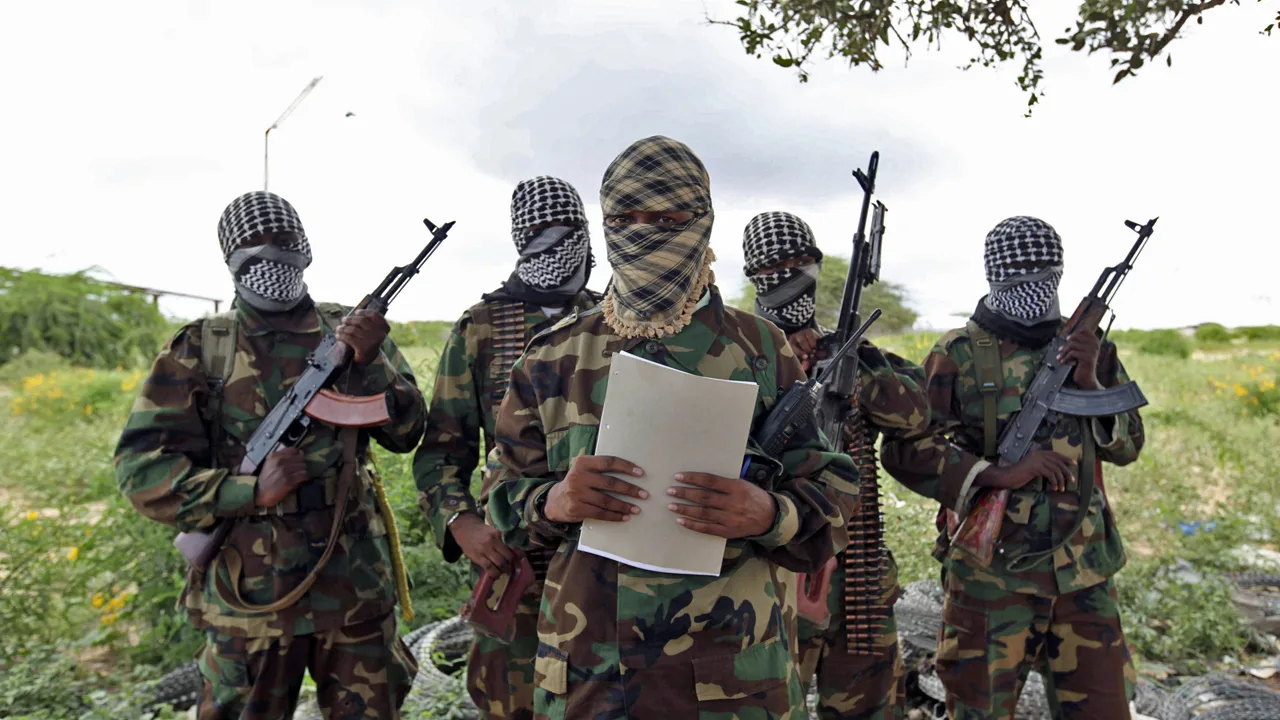
Al-Shabaab drones are being smuggled through Kenyan cargo firms in a scheme that has security teams on high alert across East Africa. Reports now show the militants rely on at least nine different cargo companies to bring drones, military boots, VHF radios and other items linked to terrorism straight from China to Kenyan ports before moving them toward Somalia.
The details paint a worrying picture of how the group keeps its operations running. These companies handle the paperwork and shipping routes that let the goods slip through normal trade channels. Once the cargo lands in Mombasa or other entry points, it mixes with everyday imports and becomes harder to spot.
Security sources say the drones can carry small explosives or cameras for scouting attacks while the boots and radios help fighters move and communicate in the bush. The scale of the operation suggests years of planning and connections that reach beyond Somalia.
Kenyan authorities have stepped up checks at the ports and along the border, but the volume of legitimate trade makes every container a potential risk. Officials confirm they are working with international partners to trace the companies involved.
Some of those firms appear on paper as standard logistics businesses, yet investigators believe they serve as covers for the militants. The route from Chinese factories to Kenyan docks and across the border has become a lifeline for Al-Shabaab as the group tries to regroup after losses inside Somalia.
People living near the border towns feel the pressure most. Families in places like Mandera and Garissa remember past attacks and worry that fresh supplies could spark new violence. Truck drivers who move goods between Kenya and Somalia say they notice tighter inspections now, but they also hear stories of bribes or fake documents that still let suspicious loads through.
The Kenyan government has not issued a full public statement yet, but sources close to the security cabinet say the matter sits at the top of weekly briefings.
Intelligence teams are conducting a thorough investigation of the nine companies and their directors to identify the true decision-makers. If the links prove strong, it could lead to arrests and blacklisting of those firms from future trade. At the same time, diplomats are quietly talking with their Chinese counterparts because the goods start there, and any cooperation could cut the supply at its source.
This development comes at a delicate moment for the region. Kenya has worked hard to rebuild tourism and trade after earlier attacks, but news like this incident reminds everyone that threats can hide inside normal business.
Shop owners in Nairobi who sell imported goods now wonder if extra checks will slow their supplies and raise costs.
Security experts emphasise that drones significantly alter the dynamics for groups such as Al-Shabaab. In the past they relied on suicide bombers and guns. Now a small drone can fly over a checkpoint or drop explosives on a convoy with less risk to the operator.
The radios help them coordinate from a distance, and the boots keep fighters mobile during long operations. Kenya sits right in the middle of the supply chain, so stopping the flow here matters for the whole region.
The story also raises questions about how trade and security balance in a busy port like Mombasa. Billions of shillings move through every month, and most of it is honest business that supports jobs and families.
As investigators dig deeper, the nine cargo companies will face closer scrutiny. Some may prove innocent while others could lose their licences and face charges.
For now the focus stays on tightening the net at the ports and sharing more intelligence with Somalia and international allies. Kenyans who remember the pain of past attacks hope the work happens fast and quietly so the next shipment never reaches its destination.
The public waits for clearer answers from the government, but one thing feels certain. Al-Shabaab drones smuggled through Kenya cargo firms have turned routine trade into a security headache that will not fade quickly.
Related Posts

Oburu Odinga Stops Speech Eyes Failing at Naivasha UDA-ODM Retreat
ODM leader Oburu Odinga paused his prepared address halfway through the Broad-Based Government meeting in Naivasha on 10 August 2026. He informed the room that…

Vijana ni wa Jeshi! Atwoli Insists Youth Protects Kenya, Not Leadership
Francis Atwoli, the COTU secretary general, addressed supporters in western Kenya days after the Linda Mwananchi group staged rallies across Kakamega Busia and nearby areas…

IEBC Sets New Campaign Spending Limits for 2027 Election
The Independent Electoral and Boundaries Commission published fresh rules that control money flows for the coming national vote across Kenya. IEBC raised campaign spending limits…

Bonny Khalwale Backs Sifuna Presidential Bid in Kakamega
Crowds filled Butere streets on Saturday, August 8, 2026, as Kakamega Senator Bonny Khalwale stood firm with Nairobi Senator Edwin Sifuna. The veteran leader pledged…