
Ruweida Obo Urges MPs Skip Mt Kenya Funerals for a Lesson

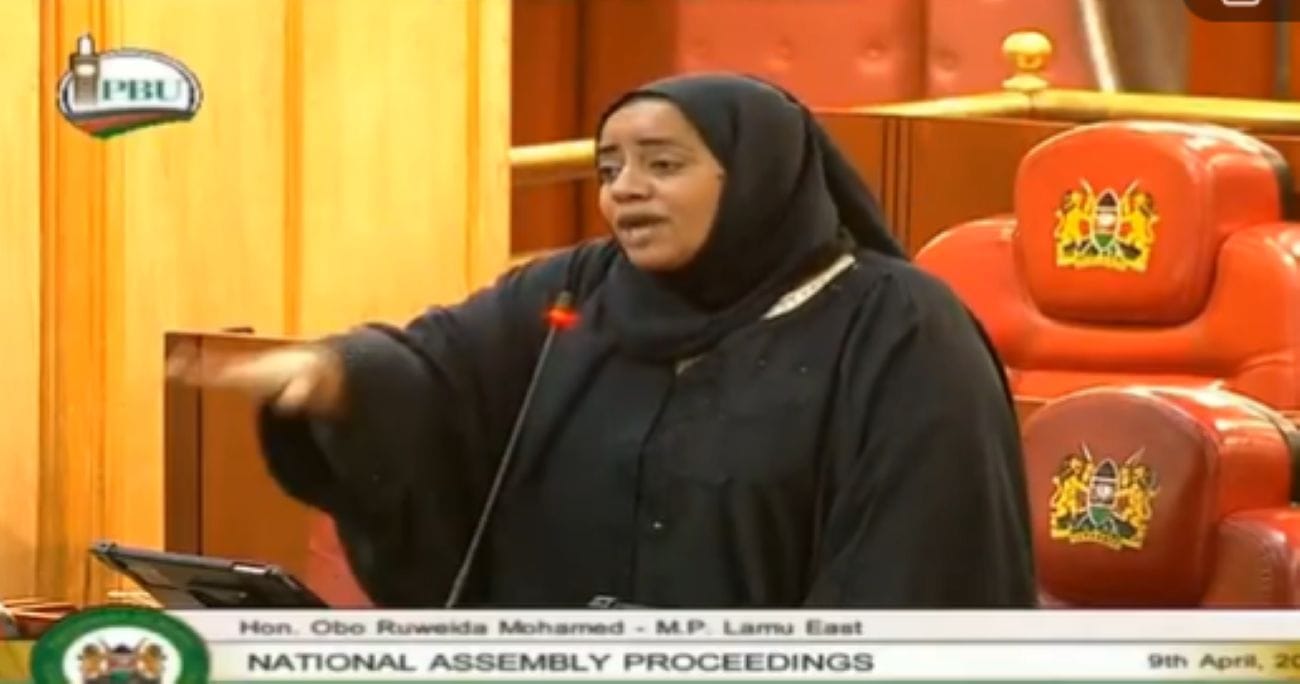
Ruweida Obo urges MPs to skip Mt Kenya funerals as a way to teach the region a lesson for opposing the government. The Lamu East MP made the call during a national assembly debate and later in a recent public gathering, and her words have sparked strong reactions from politicians and ordinary Kenyans alike.
She argued that leaders from the ruling side should stop showing up at burial events in areas that have turned against the government. In her view these places have shown little respect for national leadership, so they do not deserve the usual show of support from MPs.
The proposal feels pointed because Mt Kenya has been a key political battleground in recent months, with many voices there criticising certain government decisions on land, jobs and development.
Ruweida Obo did not name specific leaders, but her message was clear. Attendance at funerals should no longer be automatic when the region stands in open disagreement.
The statement has divided opinions right down the middle. Some politicians from the government side quietly agree and say it is time to draw a line. They point out that funerals have become political platforms where opposition figures get free airtime to attack the president and his team.
Skipping those events they argue would send a strong signal that loyalty matters. Others see the idea as dangerous and petty. They worry that boycotting funerals could deepen divisions instead of healing them, especially in a country where death brings communities together no matter their politics.
Ordinary Kenyans have taken to social media and group chats to share their thoughts. Many in Mt Kenya feel hurt by the suggestion. They say funerals are about respect for the dead and comfort for the living, not about scoring political points.
A farmer from Nyeri who lost a relative last month said it would feel wrong if MPs stayed away just because of election differences. At the same time some supporters of the government in other regions say Ruweida Obo has a fair point. They remember times when their own areas felt ignored after they backed the wrong side, and they wonder why one region should get special treatment.
The proposal touches on deeper issues in Kenyan politics. Funerals have long served as unofficial campaign stops where leaders shake hands, share meals and promise better days ahead. When an MP shows up, it often signals unity or at least a willingness to listen.
Taking that away could change how politics feels on the ground. Ruweida Obo herself represents a coastal constituency where development needs remain high. Her tough stance may come from frustration over how resources get shared or from a desire to protect her own political base from similar boycotts in the future.
Critics have already started pushing back. A few MPs from Mt Kenya called the idea childish and said it shows a lack of maturity in leadership. They argue that public servants should rise above regional grudges and attend funerals regardless of voting patterns.
One veteran politician noted that death does not check party cards before it strikes, so leaders should not check them either. The conversation has spread quickly, and even religious leaders have weighed in, urging everyone to keep compassion at the centre of public life.
For Ruweida Obo the remarks fit a pattern of bold statements that have marked her time in Parliament. She has consistently expressed her opinions on issues impacting her region and the country as a whole.
Supporters praise her for being straightforward while opponents sometimes call her divisive. This latest suggestion has once again put her in the spotlight and forced people to talk about where politics ends and basic human decency begins.
The bigger picture involves how Kenya handles its political differences. The country has seen tensions rise and fall with every election cycle, but funerals have usually offered a pause for reflection.
If MPs start skipping them based on regional loyalty, the tradition of national mourning could weaken. That worries many who remember past times when leaders from different sides stood together at gravesides and found common ground.
Ruweida Obo may have intended her words as a warning, but they have opened a wider debate about respect, unity and the role of elected officials in moments of loss.
As the story continues to spread, many wonder whether other MPs will follow her lead or push back hard against it. The coming weeks will show if her proposal gains traction or fades once the immediate heat dies down.
Related Posts
Oburu Odinga Stops Speech Eyes Failing at Naivasha UDA-ODM Retreat
ODM leader Oburu Odinga paused his prepared address halfway through the Broad-Based Government meeting in Naivasha on 10 August 2026. He informed the room that…
Vijana ni wa Jeshi! Atwoli Insists Youth Protects Kenya, Not Leadership
Francis Atwoli, the COTU secretary general, addressed supporters in western Kenya days after the Linda Mwananchi group staged rallies across Kakamega Busia and nearby areas…
IEBC Sets New Campaign Spending Limits for 2027 Election
The Independent Electoral and Boundaries Commission published fresh rules that control money flows for the coming national vote across Kenya. IEBC raised campaign spending limits…
Bonny Khalwale Backs Sifuna Presidential Bid in Kakamega
Crowds filled Butere streets on Saturday, August 8, 2026, as Kakamega Senator Bonny Khalwale stood firm with Nairobi Senator Edwin Sifuna. The veteran leader pledged…