
MP Salasya Explodes Over US Ebola Quarantine Plans in Laikipia
 Adhis Okena — May 29, 2026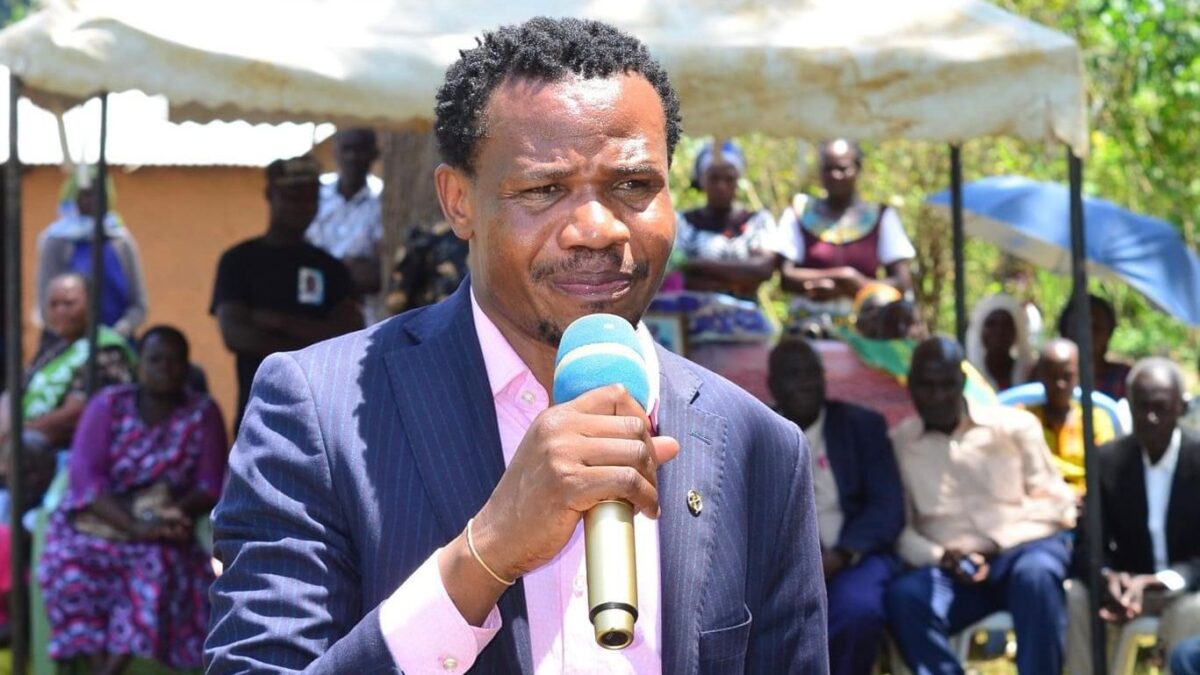
Mumias East MP Peter Salasya tore into senior Kenyan officials, including Health Cabinet Secretary Aden Duale and Principal Secretary Ouma Oluga, on Thursday, accusing them of lacking sense and risking Kenyan lives by greenlighting a US Ebola quarantine centre at Laikipia Air Base.
The fiery outburst came amid growing worries about an Ebola outbreak in the Democratic Republic of Congo spilling across borders, with critics questioning why Kenya would host the facility mainly for American personnel instead of focusing on local preparedness.
Salasya did not hold back as he addressed his colleagues in parliament. His words cut through the chamber like a sudden storm in the Rift Valley. “Nyinyi watu hamna akili, ghasia takataka,” he shouted. “Kama mumeshindwa kucontrol mafuta, Ebola ndio mtaweza. Mnataka kuuwa Wakenya sababu ya tamaa ya pesa.”
The outburst reflected deep frustration among some lawmakers and ordinary Kenyans watching events unfold. Just days earlier, reports emerged that Kenya had given written approval for the United States to establish the facility at the air base in central Kenya. Officials described it as a 50-bed unit staffed by American public health teams, meant to handle US citizens exposed to Ebola from the DRC outbreak without flying them straight back home.
Many in Nairobi and rural counties like Mumias East wonder if this move puts local communities at extra risk. Laikipia sits in a strategic but ecologically sensitive part of the country, home to conservancies, farms, and military installations. Residents there still remember past security incidents and wonder how tightly the site will be controlled once construction ramps up.
Fears Mount Around Border Health Security
Health experts note that Ebola spreads through direct contact with bodily fluids, making any quarantine setup a delicate operation. Kenya shares a long porous border with Uganda and has trade links reaching into Congo. Past outbreaks taught the region painful lessons about how quickly the virus travels along roads and through markets.
Salasya continued his speech with visible anger, gesturing sharply as fellow MPs listened. He questioned the competence of those who approved the plan so quickly.
In his address to parliament, he warned that officials seemed more interested in foreign deals than protecting citizens at home. His comments tapped into wider suspicions about money influencing decisions in health infrastructure projects.
Aden Duale and his team have pushed back in recent days, insisting Kenya needs to strengthen its own Ebola readiness. Ministry briefings highlighted stepped-up screening at borders and training for local health workers. Yet the timing of the US facility approval has fuelled debate in tea shops from Eldoret to Mombasa.
Observers in the diplomatic community say the US chose Kenya partly because of existing military cooperation and the country’s role as a regional hub. American officials emphasised that the centre would follow strict protocols and not serve Kenyan patients directly.
People now claim, “We want our government to think about us first. Ebola is not a joke.” We saw what happened in West Africa years ago. Bodies in the streets. Families torn apart.” Salasya, known for his direct style and occasional dramatic moments in politics, has positioned himself as a voice for ordinary Kenyans on this issue.
Related Posts

South Ward Aspirant Rashid Biliki Clashes With Officials Over Waste
Rashid Biliki confronted county officials during a tense inspection in Nairobi on Tuesday and soon found himself apprehended after reports surfaced about untreated waste spilling…
Kwale Senator Reveals Ruto Paid Son in Dubai Medical Fees
Kwale Senator Issa Juma Boy stepped forward and praised President William Ruto after the leader paid his son’s medical fees in Dubai three months ago…

Zaheer Jhanda Buys Three Luxury SUVs for Bad Kisii Roads
Nyaribari Chache MP Zaheer Jhanda snapped up three luxury SUVs to cruise through the muddy tracks of his Kisii constituency as he ramps up election…
Nimrod Mbai’s Three 2027 Poll Choices: Win, Die, or Go to Kamiti
Kitui East lawmaker Nimrod Mbai’s three choices—win, die, or go to Kamiti—sparked fierce debate across political circles yesterday as he laid bare his determination ahead…