
Kisumu Residents Protest Reject Planned Gen Z June 25 Protests
 Adhis Okena — June 24, 2026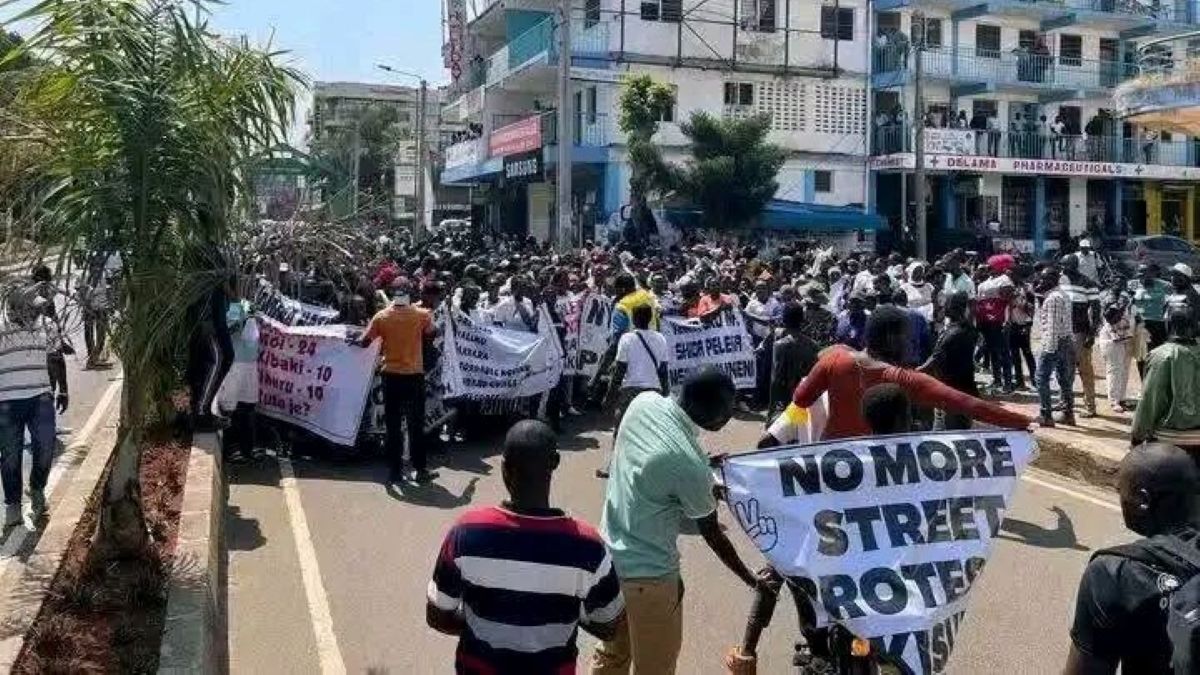
Thousands of Kisumu residents marched through city streets today to reject the planned Gen Z demonstrations set for June 25. They voiced exhaustion with repeated unrest that disrupts daily life and local businesses. These protests against protests highlight deep community divisions over how to handle ongoing calls for change in the region.
Men and women filled the main avenues near the lake. They carried signs. Some sang old songs of peace. Others simply stood firm with arms linked. The turnout surprised even organisers. Many shops stayed shuttered as people chose to join the demonstration instead of opening for business.
Why are Kisumu residents protesting against the Gen Z demonstrations?
Residents say they have endured enough disruption and want stability for their families and economy right now. One trader named Achieng spoke with fire in her voice near the central market.
She lost two weeks of income during past street actions last year. “We cannot keep closing every time young people call for marches. Our children need schools open and food on the table.”
Her words drew nods from dozens around her. The scene felt tense yet determined under the hot afternoon sun. Dust rose from shuffling feet. Horns blared from frustrated drivers stuck in sudden gridlock.
The planned June 25 action follows a pattern of demonstrations that started gaining momentum after events in 2024. Young activists first organised large gatherings in June of that year to push for better governance and jobs.
Some rallies turned chaotic with reports of damaged property in multiple towns. This time around, many ordinary workers and parents in Kisumu decided they would not stay silent. They organised their own counter presence days before the scheduled date.
What do locals want instead of more Gen Z protests?
Communities demand dialogue and practical solutions that address economic struggles without further street shutdowns. A father of three named Omondi joined the march with his brothers. He recalled how his small repair shop barely survived previous waves of unrest. “Enough is enough. We support progress but not at the cost of our daily bread.”
His statement captured the mood for many. People shared stories of missed hospital appointments, delayed school exams, and lost wages. One woman described carrying her sick mother through blocked roads last year. Tears welled as she spoke.
They promised increased security presence ahead of tomorrow’s date. Transport operators also voiced concerns. Many matatu drivers parked their vehicles in protest against potential violence that could damage their livelihoods further.
The events in Kisumu reflect wider fatigue across communities after years of periodic demonstrations. Records from 2024 showed at least seven major protest days that affected transport and trade in the lakeside city alone.
Businesses reported average losses of up to 40 per cent on those dates, according to Chamber of Commerce figures. Farmers struggled to move produce to markets. Students missed critical learning hours.
Yet not everyone agrees with the counterprotest. Smaller groups of younger residents stood at the edges and argued for the right to voice frustrations. One university student named Kevin told bana.co.ke that silence solves nothing.
“We need accountability on jobs and corruption. Protests wake people up.” His comments sparked brief debates in the crowd but did not derail the main march.
Related Posts

Bonny Khalwale Backs Sifuna Presidential Bid in Kakamega
Crowds filled Butere streets on Saturday, August 8, 2026, as Kakamega Senator Bonny Khalwale stood firm with Nairobi Senator Edwin Sifuna. The veteran leader pledged…

Mudavadi Suffers Blow as Bank’s CEO’s Secure Court Orders
Prime Cabinet Secretary Musalia Mudavadi took a sharp hit when executives from Co-op Bank KCB and NCBA won court protection that blocks their prosecution in…

Kalonzo Musyoka Drops Bombshell Over Donated Broad-Based Experts
Kalonzo Musyoka stunned the nation this week when the Wiper leader detailed secret moves by President William Ruto to pull key Orange Democratic Movement figures…

Malindi High Court Says Legal General Election on 11th Aug 2026
A Malindi High Court judge declared on August 7, 2026, that the presidential election for Kenya must take place this month under constitutional rules after…