
Ruto Announces Free Emergency Treatment For All Kenyans

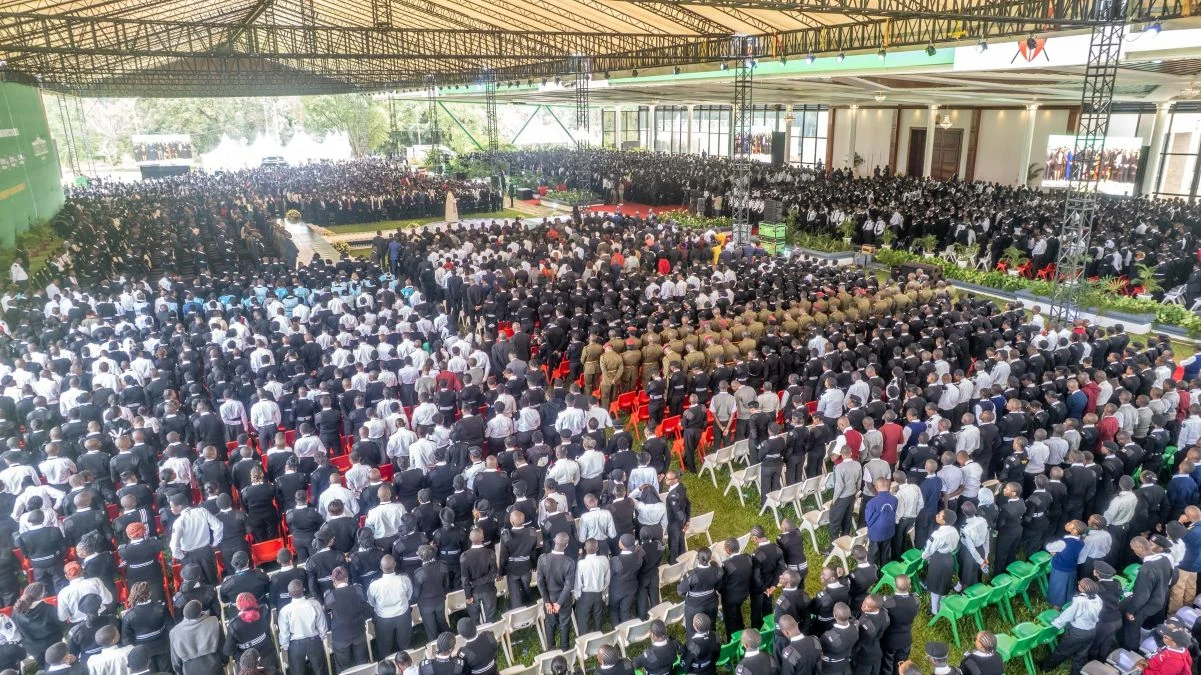
President William Ruto announced sweeping new measures to guarantee free emergency treatment for every Kenyan at State House in Nairobi. He declared that the Social Health Authority will cover the first 24 hours of hospital care for all accident victims regardless of registration status. This bold step seeks to protect lives during critical moments and strengthen the country’s emergency response system right now.
Ruto stood before the 95th St John Ambulance Annual Parade and Inspection. He honoured the volunteers who rush toward chaos when most people run away.
These 62,000 dedicated men and women often arrive first at crash scenes and disaster zones. They ease pain and stabilise victims before professional help reaches them. Their work stretches far past bandages and stretchers. The organisation guides young people toward discipline and teaches them to serve communities in need.
How will Kenya deliver faster emergency help nationwide?
The government is building a national ambulance dispatch centre in Nairobi to coordinate responses and cut arrival times dramatically. Every Kenyan will access this service at no cost.
Ruto spoke with clear purpose during the event. He said the government has increased funding for the Emergency, Chronic and Critical Illness Fund under the Social Health Authority.
“Every accident victim who arrives at the hospital will have their first 24 hours of treatment covered by SHA, whether registered or not,” he stated at State House.
This guarantee removes financial barriers that previously slowed care. Families no longer face impossible choices between medical bills and survival. The policy takes effect immediately and applies across the country from major cities to remote roads.
St John Ambulance volunteers cheered the announcements. Their role in Kenya’s safety net grows stronger with official backing. Ruto praised their daily sacrifices. He noted how they stand with vulnerable groups and promote civic duty among the youth who join their ranks.
What support does St John Ambulance receive from the government?
Authorities allocated land in Nairobi for the organisation and committed funds to construct modern facilities. Parliament will take over the current St John Ambulance office next to the legislature buildings at a cost of KSh300 million. This arrangement frees the group to develop a proper headquarters.
The government will also release KSh200 million specifically for new office construction. Planners aim to create efficient spaces that match the scale of the volunteers’ work. Fifteen brand new ambulances will join the fleet soon. Officials will register each vehicle under SHA to integrate them fully into the national system.
Ruto framed these steps as practical action. He wants faster responses on dangerous highways and in crowded urban areas where accidents spike during rush hours.
The dispatch centre represents a central nervous system for emergencies. Calls from any corner of Kenya will route through trained coordinators who dispatch the closest available help.
The timing feels urgent. Kenya records thousands of road deaths each year. Many victims lose precious minutes because families scramble for cash or navigate confusing insurance rules. This new 24-hour coverage wipes away those delays. Doctors and nurses can focus purely on saving lives instead of chasing paperwork.
Volunteers described their experiences in quiet conversations after the parade. One veteran responder recalled arriving at a nighttime crash on the Nairobi-Mombasa highway.
Three injured passengers survived only because his team acted within minutes. Stories like this repeat across counties. They highlight why Ruto chose this moment to expand support.
The land allocation in Nairobi gives St John Ambulance room to grow training programmes. Young recruits learn first aid, leadership skills, and community engagement. These programmes channel energy into positive directions while building a ready reserve of helpers for future crises.
Funding flows directly to results. The KSh200 million for offices and the purchase of 15 ambulances signal serious commitment. Each new vehicle expands coverage in underserved regions. Registration under SHA ensures seamless billing and removes cost worries for patients.
Related Posts

Bonny Khalwale Backs Sifuna Presidential Bid in Kakamega
Crowds filled Butere streets on Saturday, August 8, 2026, as Kakamega Senator Bonny Khalwale stood firm with Nairobi Senator Edwin Sifuna. The veteran leader pledged…
Mudavadi Suffers Blow as Bank’s CEO’s Secure Court Orders
Prime Cabinet Secretary Musalia Mudavadi took a sharp hit when executives from Co-op Bank KCB and NCBA won court protection that blocks their prosecution in…

Kalonzo Musyoka Drops Bombshell Over Donated Broad-Based Experts
Kalonzo Musyoka stunned the nation this week when the Wiper leader detailed secret moves by President William Ruto to pull key Orange Democratic Movement figures…
Malindi High Court Says Legal General Election on 11th Aug 2026
A Malindi High Court judge declared on August 7, 2026, that the presidential election for Kenya must take place this month under constitutional rules after…