


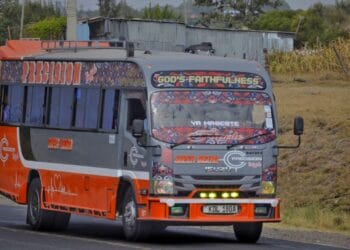












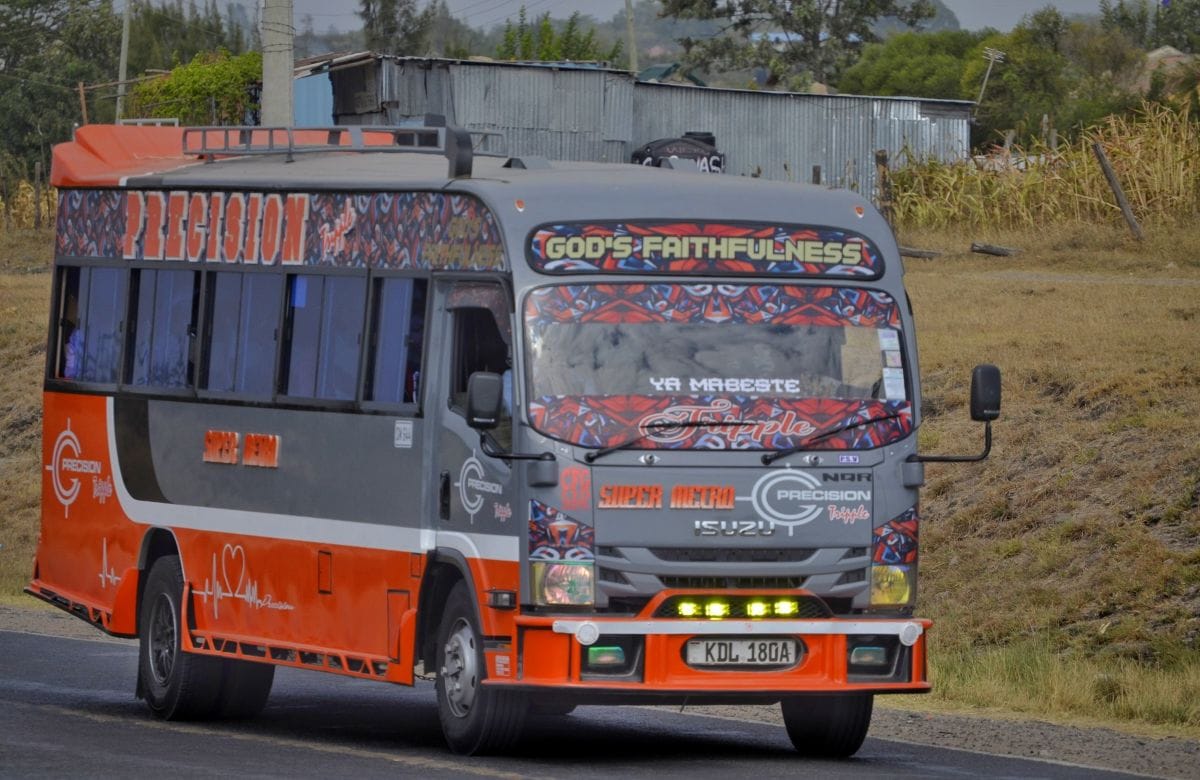
A 25-year-old man named Joseph Mureithi lost his life after he was allegedly pushed from a moving Super Metro bus along the Kitengela-Namanga Highway on Tuesday night, February 24, 2026, in a shocking incident that’s left his family heartbroken and demanding answers.
Mureithi worked as a petrol station attendant in Athi River. He wrapped up his shift late and headed to a bus stop near Shalom Hospital around 11 pm. He boarded a Nairobi-bound Super Metro matatu – registration KDK 060H – hoping for a quick ride home.
Witnesses say the bus pulled away packed tight, with passengers squeezed in and the crew acting rowdy from the start. Less than a kilometre down the road, things turned ugly fast.
According to family members and people who saw it happen, a scuffle broke out – some reports point to a dispute over fare. The conductor reportedly grabbed Mureithi and shoved him out the door while the vehicle was still rolling. He hit the tarmac hard, landing on his head.
Moments later, the same bus allegedly ran right over him before speeding off into the night. Bystanders rushed to help, but injuries were too severe. He was rushed to Shalom Hospital and pronounced dead on arrival.
Police moved quickly. Detectives tracked down the bus, impounded it, and towed it to Athi River Police Station. The driver and conductor now sit in custody facing questioning.
Officers call it a tragic accident tied to reckless behaviour on the road, but the family sees it as outright negligence or worse. They want full charges – manslaughter at minimum – and swift justice so no one else ends up the same way.
Super Metro put out a statement Wednesday confirming they know about the incident. They said the bus had 32 passengers when a group of angry boda boda riders stopped it afterward, claiming the crew pushed someone out.
The company called the death a surprise and said they’re cooperating fully while the vehicle stays held at the station. No apologies or details on what happens next for the crew came through yet, leaving many wondering how seriously the sacco takes passenger safety.
This isn’t the first time Super Metro has found itself in hot water. The operator runs busy routes in and around Nairobi and is often praised for cleaner buses and better service than some competitors.
But complaints about overcrowding, rude touts, and speeding pop up regularly. Families like Mureithi’s now add their voices to those calling for tighter rules on matatus – things like mandatory seat limits, better crew training, and cameras inside vehicles to catch bad behaviour.
In Athi River and Kitengela, the story spreads fast through WhatsApp groups and street talk. People who knew Mureithi say he was a hard worker who stayed to himself and helped his family.
Neighbours said they were shocked at how quickly things went wrong. One minute they were getting on the bus to go home, and the next they were gone forever over something as simple as the bus fee. Protests or vigils haven’t started yet, but anger simmers, especially when people point to how common these matatu fights get late at night.
Road safety in Kenya remains a sore spot. Thousands die every year in crashes or incidents like this, many involving public transport. Overcrowding pushes tempers high, and when crews feel challenged, things can turn violent fast. Mureithi’s death gives those numbers a face: a young man who had just finished a lengthy shift and was trying to return home.
As the investigations go on, the family keeps asking for answers and justice. They want to know exactly what caused the push, why the bus didn’t stop, and how the sacco planned to stop it from happening again. The police promise a full investigation, but in a country where matatu cases frequently take a long time or go away, trust is low.
For now, Joseph Mureithi’s name joins too many others lost on Kenyan roads. His story reminds everyone how fragile life can be on a late-night ride – and how one bad moment can end everything.