
Orengo Blasts Unjust Sh3M Compensation for Gen Z Killings

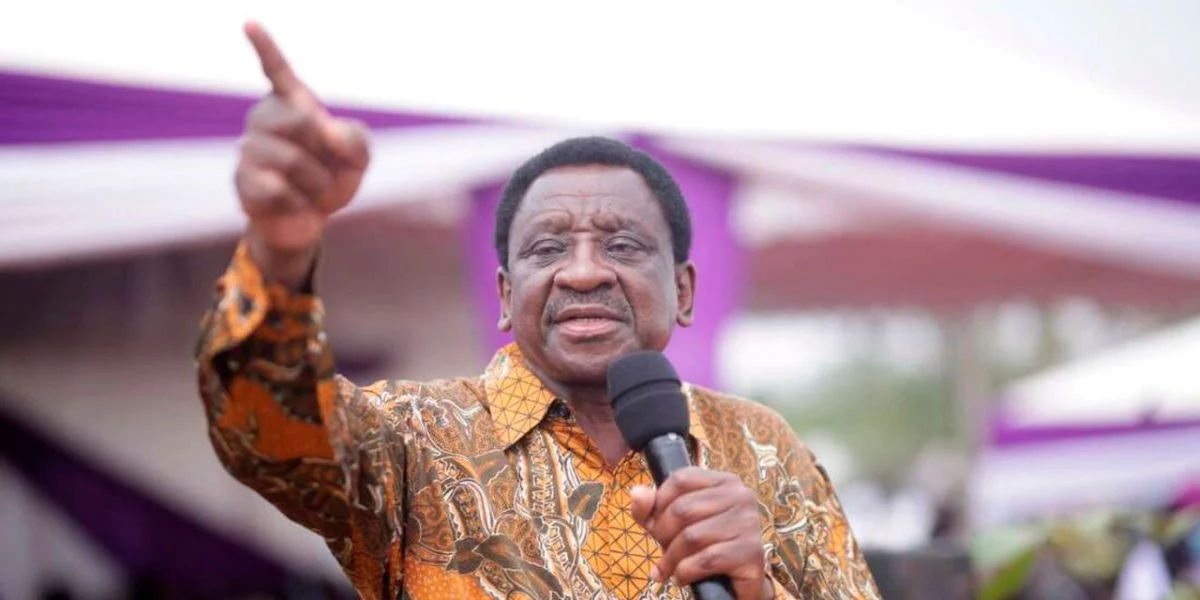
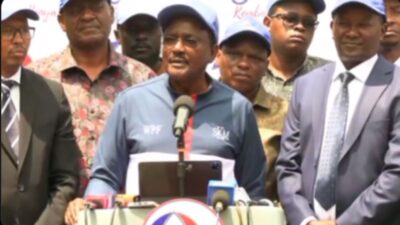
Siaya Governor James Orengo fiercely rejected the government’s three million shilling payout to families of young Kenyans slain during protests. He spoke out this week as authorities rolled out a two billion shilling compensation scheme for victims of police actions in Nairobi and across the country since 2024. Orengo demanded real justice instead of what he called unjust sums that fail to value lost lives.
Families still grieve the young people gunned down in the streets. Anger simmers. Orengo stepped forward and made his position crystal clear.
Why does three million shillings fail to deliver justice for slain protesters?
It falls far short of what families truly need and deserve after losing loved ones to state violence. Orengo stood firm on the matter. “Ksh. 3,000,000 cannot be compensation for the loss of a young man like Ojwang,” he declared during his address. He stressed that authorities must make the payment just.
The veteran politician added that Gen Z victims who were killed by police brutality cannot be paid that because it remains unjust.
His words cut through the air at a recent gathering near Jogoo House in Nairobi. Wreaths lay nearby. Families clutched photos of their children. Orengo did not hold back. He pushed for full accountability beyond any cash offer.
The government unveiled its plan just days ago on June 18, 2026. Officials allocated two billion shillings total. The Kenya National Commission on Human Rights vetted 1101 claims out of 1937 filed. Payments could start flowing next week. Families of the dead stand to receive around three million shillings each. Injured protesters get smaller amounts down to fifty thousand shillings for minor harm.
Yet Orengo sees deeper problems. He addressed the crowd and voiced what many whisper in homes across Kenya. Rights carry no price tag. Human life never belongs on any budget line.
How will Kenya balance compensation with real accountability for 2024 protest deaths?
True healing requires prosecution of those responsible alongside any financial support. Police actions during the June 25, 2024, demonstrations left dozens dead. Protesters had stormed Parliament buildings in Nairobi over the controversial finance bill. Videos showed officers firing live rounds into crowds.
At least sixty people died nationwide from the crackdown according to human rights reports. Many more suffered injuries and abductions.
Orengo knows the terrain well. He served as a long-time opposition figure before taking the Siaya governor role. His history includes fighting for democratic reforms. This time he joined Martha Karua and other leaders outside government offices. They laid wreaths. They demanded June 25 become a public holiday to honour the fallen.
One mother shared her pain quietly afterward. She lost her son in the chaos last year. No amount of money replaces his laugh at the dinner table or his dreams for a better Kenya.
Orengo echoed that sentiment strongly. He made it plain that compensation must never substitute for justice. Killers deserve prosecution and punishment where evidence points their way.
The reparations framework covers protests stretching back to 2013. Yet focus stays sharp on the fresh wounds from 2024 and early 2025 actions. Professor Makau Mutua leads the expert panel behind the guidelines. He noted the process runs parallel to accountability efforts. President William Ruto described the payouts as a healing step without admitting guilt.
Related Posts
IEBC Sets New Campaign Spending Limits for 2027 Election
The Independent Electoral and Boundaries Commission published fresh rules that control money flows for the coming national vote across Kenya. IEBC raised campaign spending limits…
Bonny Khalwale Backs Sifuna Presidential Bid in Kakamega
Crowds filled Butere streets on Saturday, August 8, 2026, as Kakamega Senator Bonny Khalwale stood firm with Nairobi Senator Edwin Sifuna. The veteran leader pledged…
Mudavadi Suffers Blow as Bank’s CEO’s Secure Court Orders
Prime Cabinet Secretary Musalia Mudavadi took a sharp hit when executives from Co-op Bank KCB and NCBA won court protection that blocks their prosecution in…
Kalonzo Musyoka Drops Bombshell Over Donated Broad-Based Experts
Kalonzo Musyoka stunned the nation this week when the Wiper leader detailed secret moves by President William Ruto to pull key Orange Democratic Movement figures…