
Kenyans Slam Cheap Plastic Seats at Talanta Stadium
 Dan Mwadime — January 3, 2026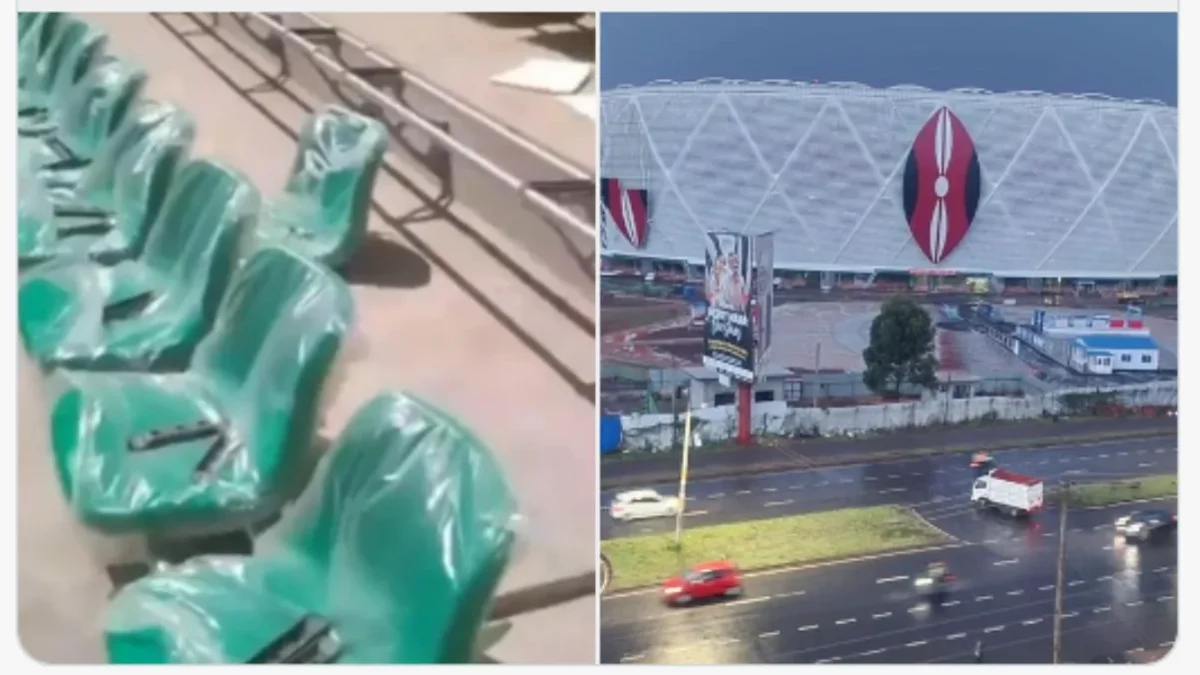
People in Kenya are upset about the new seats going into Talanta Stadium. The installation of these non-foldable plastic seats started on Friday at the big 60,000-capacity venue. It’s all part of getting ready for the 2027 Africa Cup of Nations, which Kenya will co-host. The project cost KSh 44.7 billion, or about $344 million, and folks are saying the seats look too basic for that kind of money.
The backlash kicked off online soon after photos of the seats surfaced. Many Kenyans pointed out how they stack up against what’s in Uganda’s Hoima City Stadium. That place has colorful padded seats, and it got built at a lower cost per seat.
Plus, it has a FIFA 5-star rating, which makes it seem like a better deal. One user on social media wrote something like, “Why are we settling for plastic buckets when our neighbors got cushy ones for less?” It’s a fair question, especially with the huge budget here.
Talanta Stadium, located in Nairobi, is meant to be a flagship project for Kenyan sports. The government pushed it forward to meet international standards for the upcoming tournament. Kenya is teaming up with Uganda and Tanzania to host AFCON 2027, and this stadium will be a key spot for matches.
Construction has been underway for a while, with the handover set for later this month, in January 2026. That’s just weeks away, so the seat installation is one of the final touches.
Not everyone is against the choice, though. Some people defend it by saying these plastic seats are practical. Kenyan crowds can get rowdy during big games, and non-foldable ones might hold up better against wear and tear. They’re easier to clean and maintain in a hot climate too.
A few comments online noted that premium sections, like VIP areas, could have better seating. One supporter said, “It’s about functionality, not luxury for every spot. We need something that lasts.”
Still, the criticism keeps coming. It ties into broader frustrations about public spending in Kenya. With the economy tight for many families, seeing billions go into a stadium that then gets what look like cheap fittings rubs people the wrong way.
Critics argue that the seats don’t match the investment’s scale. They want quality that reflects national pride, especially since this is Kenya’s chance to shine on the African stage.
Let’s step back a bit. The Talanta Hela initiative, which the stadium is part of, aims to boost sports and talent development across the country. President William Ruto’s administration has touted it as a way to create jobs and improve infrastructure.
But controversies have dogged the project from the start. There were earlier debates over financing, with some MPs calling the loans used to fund it questionable. Now, the seats add fuel to that fire.
Comparisons to Uganda aren’t new. Hoima City Stadium, with its 20,000 seats, came in at around $50 million. That’s way less per seat than Talanta’s price tag. And Uganda’s venue has padded, colorful options that make it feel more modern.
Kenyans online have shared side-by-side photos, asking why their stadium couldn’t aim higher. Some even joke that the plastic seats look like the kind you’d find at a local school event, not a world-class arena.
Sports analysts have weighed in too. One expert I spoke with, who follows East African football, said the choice might come down to budget cuts late in the project.
“Deadlines are looming for AFCON prep,” he explained. “They probably went with what’s quick and affordable to install.” But he agreed that it could hurt the stadium’s image when international teams and fans arrive.
The government hasn’t responded directly to the seat complaints yet. Officials from the Ministry of Sports have focused on the bigger picture, like how the stadium will host not just football but concerts and other events. They say it will generate revenue long-term and put Kenya on the map. Still, with the handover so close, there’s pressure to address the public’s concerns.
This isn’t the first time Kenyan projects have faced such scrutiny. Remember the Standard Gauge Railway? Big money, big promises, but ongoing debates about value.
Talanta Stadium fits that pattern. As the country gears up for 2027, the hope is that the final product delivers. If not, the backlash could grow.
In the end, it’s about more than seats. It’s about trust in how public funds are used. Kenyans want to feel proud of their new stadium, not disappointed. With AFCON approaching, all eyes will be on how this plays out. For now, the plastic seats are staying, but the conversation isn’t over.
Looking ahead, the tournament could bring economic boosts through tourism and sponsorships. Kenya has a strong football history, with teams like Harambee Stars eager to perform at home. If the stadium meets expectations overall, maybe the seats will fade into the background. But right now, they’re front and center in the debate.
Fans are already imagining packed stands for the games. Will those plastic seats hold up to the excitement? Time will tell. As one Nairobi resident put it, “We deserve better for what we paid.” That’s the sentiment echoing across the country today.
Related Posts

Cole Palmer Bombards Morgan Rogers With Transfer Calls
Morgan Rogers opened up about Cole Palmer flooding him with messages as the Chelsea star pushed hard for his arrival at Stamford Bridge this week.…

Fans Shout ‘Wantam’ During Spain-Argentina Final, Messi Misses Trophy
Crowds packed the halls at KICC in Nairobi as Argentina faced Spain in the World Cup final. Fans turned the screening into a loud protest.…

Spain Wins 2026 World Cup Final; Messi Misses Golden Boot to Mbappe
Spain lifted the 2026 World Cup trophy after Ferran Torres struck the winner that sealed a tense final victory. The team claimed glory in a…

Xabi Alonso Frees 5 Chelsea Superstars For Summer Exit
Xabi Alonso delivered clear messages to five Chelsea players and opened the door for their departures this summer. The new manager wants a fresh start…