
Matt Chun Faces Backlash for Bondi Shooting Remarks


Australian artist and activist Matt Chun is facing strong criticism after posting comments about the recent Bondi shooting that many call insensitive and harmful. His Substack article, published on January 1, came just weeks after the December 14 attack at Bondi Beach in Sydney, where gunmen inspired by ISIS killed 15 people at a Hanukkah event. Chun’s piece questioned why people should mourn the victims, linking the gathering to what he sees as Zionist actions in Gaza.
The attack happened during a community celebration organised by Chabad, a Jewish group. Around 1,000 people were there for the first night of Hanukkah when two men opened fire. Police say the shooters, a father and son from India who lived in Australia, drew inspiration from Islamic State propaganda.
They killed 15, including children, and hurt 25 others. One victim was a 10-year-old girl, Matilda, who became a symbol in memorials. Authorities treated it as terrorism right away, and it’s the deadliest shooting in Australia in years.
Chun’s newsletter, titled “We don’t mourn fascists”, argues against calling the victims innocent. He points out that Chabad has ties to Israeli settlements and actions in Gaza.
In his view, the event was a “broad-daylight celebration of a violent supremacist organisation deeply complicit in the ongoing genocide of Palestinians.” He criticises the media for focusing on the victims’ whiteness and Jewishness without context. Chun also mentions a 2023 photo of Israeli soldiers with a Chabad banner in Gaza ruins, calling it fascist.
Reactions came fast online and in Jewish communities. Groups like the Executive Council of Australian Jewry called his words appalling, saying they downplay antisemitic violence. One leader, Alex Ryvchin, told media the attack shattered safety for Jews in Australia, and comments like Chun’s add to the pain. On Instagram, users posted about wanting Chun removed for spreading hate. A post from a Jewish account highlighted his article, urging reports to the platform.
Chun isn’t new to controversy. He’s known in Australia’s art scene for work on Indigenous rights and decolonisation. He’s gotten government grants, around $100,000 over time, for projects like books and exhibits. He’s also active in Palestine solidarity groups, speaking at protests against Israel’s actions in Gaza.
Earlier this year, he was linked to a doxxing incident where Jewish creatives’ details leaked, though he denied direct involvement. Critics, including MP Allegra Spender, called that episode distressing.
Some defend Chun’s right to speak. Supporters say he’s highlighting double standards in how violence is covered. One commenter on his Substack agreed that the media ignores Palestinian suffering while rushing to sympathise here. But many others, even on the left, distanced themselves. A Guardian piece after the attack noted how antisemitism from some progressives gets minimised, and Bondi shows the risks.
Drew Pavlou, an activist on X, went further in a post. He accused Chun of celebrating the attack and pushing genocide against whites, including Jews. Pavlou shared a screenshot and called Chun a leader in protest movements. That post got shares, but fact-checks show it twists Chun’s words.
Chun neither praised ISIS nor called for massacres; instead, he focused on avoiding mourning due to politics. Still, his description of Bondi as a “prized settler playground within the walled garden of empire” struck some as attacking Australian society.
Government officials haven’t commented directly on Chun yet. Prime Minister Anthony Albanese vowed tighter gun laws after the shooting. He called it an attack on all Australians. King Charles III, as head of state, expressed horror at the antisemitic act. Memorials at Bondi Pavilion drew crowds, with flowers and notes for victims like Matilda.
This incident fits a bigger rise in tensions. Since October 2023, when the Gaza war started, Australia has seen more antisemitic incidents. Reports jumped, including attacks on synagogues and businesses. Jewish groups say it’s the worst since World War II. On the flip side, pro-Palestine marches have grown, protesting Israel’s response that killed thousands in Gaza.
Chun’s background adds layers. He’s of mixed heritage, with Chinese and Australian roots, and often writes about colonialism. His Instagram shows art on land rights and migration. He teaches at places like Queensland University of Technology, though they apologised last year for an unrelated anti-racism event that offended Jews.
Experts say words matter in heated times. Jonathan Sacerdoti, in The Jewish Chronicle, noted how media sometimes softens terror coverage. In Australia, newspapers such as The Australian have reported on the doxxing incident and its aftermath. Social media amps it up, with memes and debates flying.
For Jewish Australians, Bondi changed things. Linda Royal, whose family fled Nazis, told NBC News it’s difficult now in a place they saw as safe. Ryvchin said there’s anger alongside grief.
Chun hasn’t responded to the backlash yet. His Substack has subscribers who back his views on decolonisation. But calls grow for accountability, especially with public funding.
This story highlights divides in Australia over Israel-Palestine. As 2026 begins, healing seems tough. Police probe the shooters’ ties, including a Philippines trip. ISIS praised the attack without claiming it, using it for propaganda.
People in Sydney keep visiting the memorial. One note read, “No hate here.” That’s the hope, but Chun’s comments show how far apart views are.
Related Posts
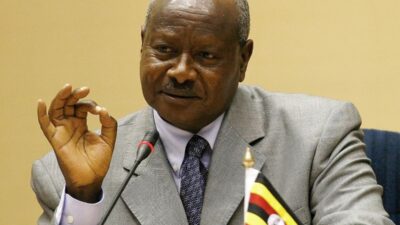
President Museveni Calls Sex Denial In Marriage Jailable Offense
Uganda President Yoweri Museveni stirred fresh controversy when he declared denying your partner sex a big offence that could land people in jail. The veteran…
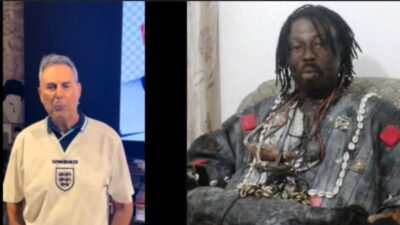
Uri Geller Cancels Witch Doctor Nana Kwaku Curse on Harry Kane
Uri Geller stepped in to cancel the witch doctor’s curse on Harry Kane right before England faced Ghana in the World Cup. The Israeli-British illusionist…
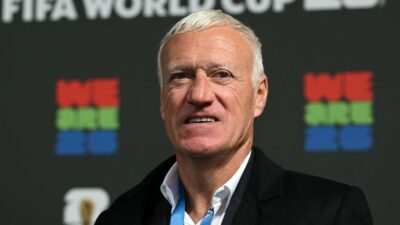
Didier Deschamps Mourns Mother’s Death Ahead of Norway Game
France national team coach Didier Deschamps faces sudden heartbreak as news of his mother’s death spreads through the football world. The long-time leader will fly…
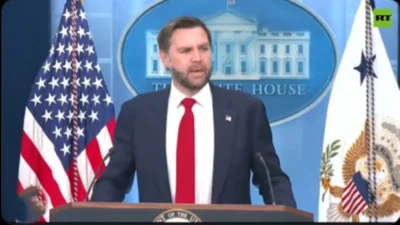
JD Vance Delivers Blunt Warning to Netanyahu Government
Vice President JD Vance issued a fierce warning to Benjamin Netanyahu’s cabinet on Thursday against undermining their crucial American partnership over President Donald Trump’s new…